About Euphyes berryi (Bell, 1941)
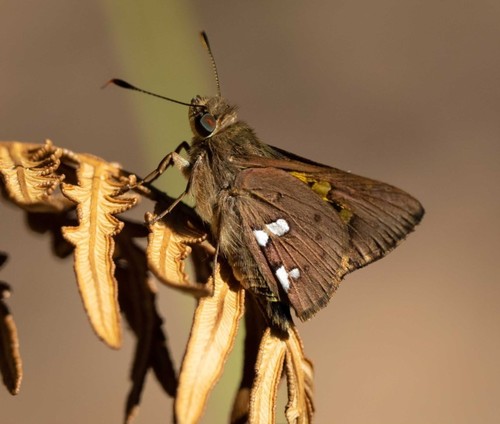
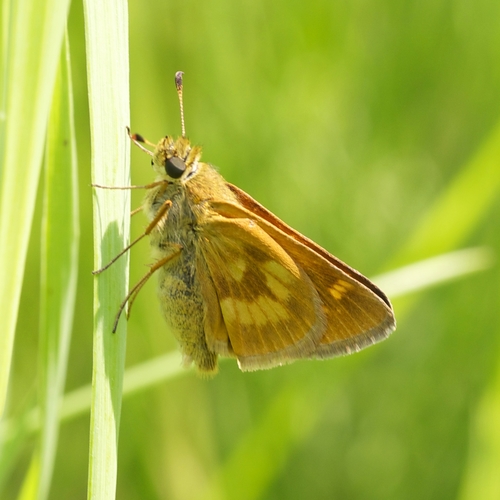
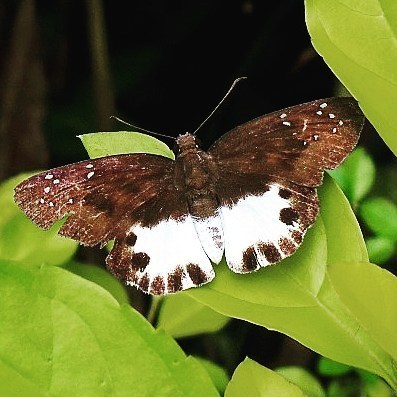
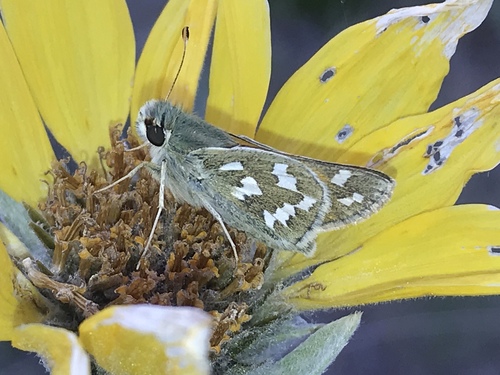
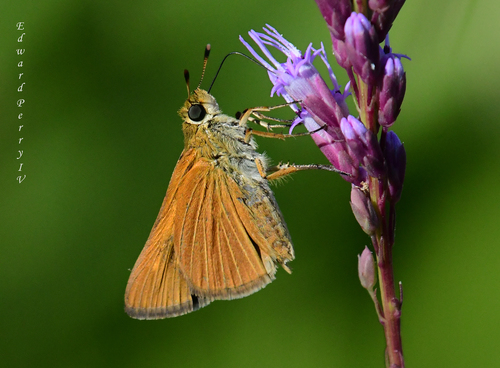
Euphyes berryi (Bell, 1941) is a species of skipper with distinct adult size differences between sexes: adult males have a wingspan of 36–38 millimetres (1.42–1.50 in), while adult females have a wingspan of 38–42 millimetres (1.50–1.65 in). The head and body are mostly brownish to fulvous, which is a dull brownish yellow; the antennae are black on the upper side and fulvous on the lower side. Males have mostly bright fulvous upper wing surfaces, darker or brownish fulvous lower wing surfaces, along with darker brown borders and some distinct spot patterns. Females have mostly black-brown upper wing surfaces and dark fulvous lower wing surfaces. For both sexes, the lower surface of the hindwing clearly shows distinct paler, yellowish fulvous veins. This species is considered difficult to identify, because individuals of Euphyes dion, Euphyes byssus, and probably other skippers that sometimes lack typical hindwing patterns closely resemble Euphyes berryi. Historically, Euphyes berryi occurred in the outer coastal plains from North Carolina, reaching as far north as Dare County, to southern Florida, across the U.S. states of North Carolina, South Carolina, Georgia and Florida. It may have been extirpated from parts of its former historic range. Its habitat includes wet areas located near ponds and swamps, which encompasses wet prairies, marshes, and pitcher plant savannas. The larvae of E. berryi feed on various species of sedge, and likely feed on one or more species in the genus Carex. Adult individuals feed on nectar from a variety of flowers, including pickerelweed, which belongs to the genus Pontederia. Larvae overwinter, and adult skippers have been recorded between March and October, most likely from two annual broods.