About Euphorbia graminea Jacq.
Classification and Origin
Euphorbia graminea is a perennial succulent belonging to the Euphorbia family, native to South Africa.
Size and Foliage Base
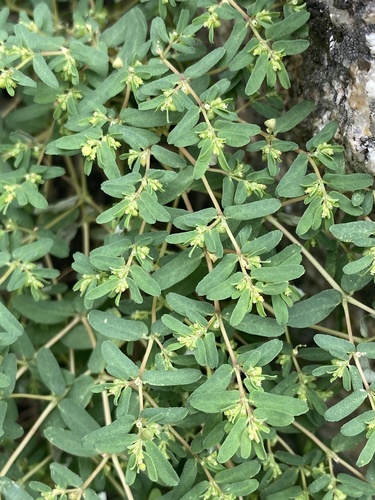
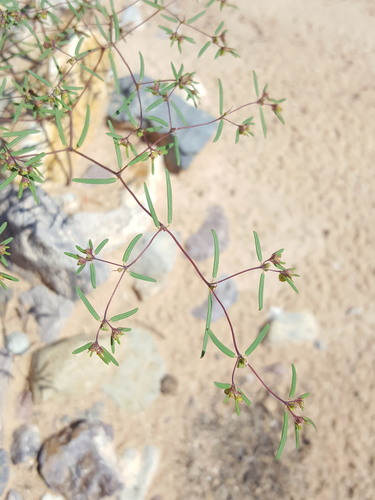
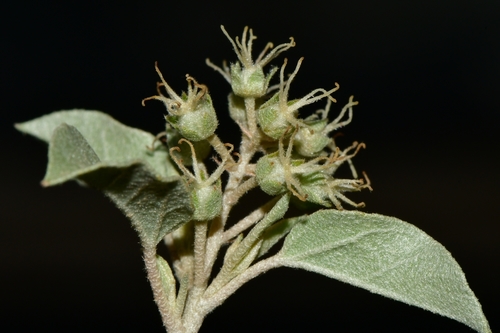
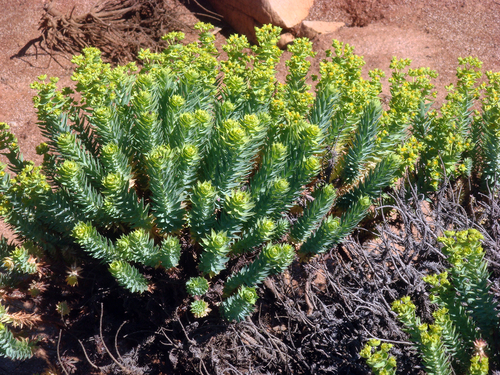
This plant can reach up to 30 cm in height and has a distinctive appearance with thin, grass-like leaves that grow in clusters along its stem.
Leaf Color Variation
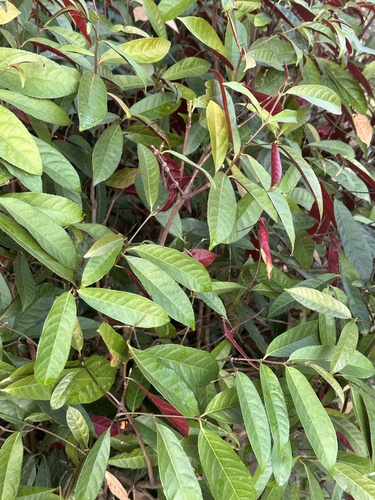
The leaves are green but can turn reddish-brown under stress.
Flowering Period
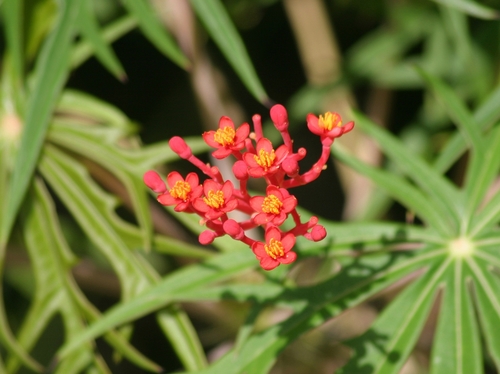
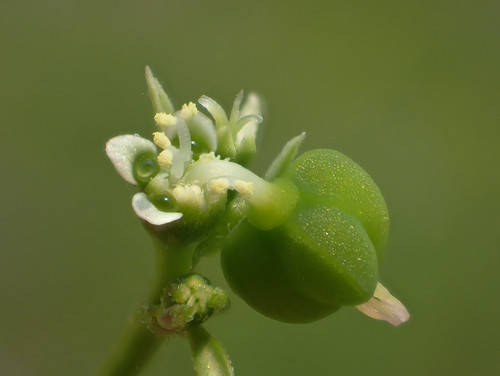
In late winter or early spring, Euphorbia graminea produces small, yellow-green flowers.
Flower Structure
These flowers are inconspicuous and are surrounded by small bracts that resemble petals.
Soil and Light Requirements
The plant thrives in well-draining soil and prefers full sun exposure, although it can tolerate partial shade.
Watering Needs
It is drought-tolerant but requires occasional watering during its growing season.
Traditional Medicinal Uses
Euphorbia graminea possesses medicinal properties; its sap has been traditionally used to treat various ailments such as skin infections, warts, and rheumatism.
Toxicity Warning
However, it is important to note that Euphorbias contain toxic latex sap, which can cause skin irritation or even blindness if it comes into contact with the eyes or mucous membranes.
Handling Precautions
Therefore, it must be handled carefully during pruning or propagation.
Horticultural Value
Overall, Euphorbia graminea is a fascinating succulent species for collectors, thanks to its unique grass-like leaves and medicinal properties, making it an excellent addition to any garden collection!