Eupatorium capillifolium (Lam.) Small is a plant in the Asteraceae family, order Asterales, kingdom Plantae. Toxic/Poisonous.

Photo of Eupatorium capillifolium (Lam.) Small (Eupatorium capillifolium (Lam.) Small)
🌿 Plantae ⚠️ Poisonous

Eupatorium capillifolium (Lam.) Small

Eupatorium capillifolium (Lam.) Small

Eupatorium capillifolium (dog fennel) is a toxic North American Asteraceae perennial with described morphology and uses.

Family
Genus
Eupatorium
Order
Asterales
Class
Magnoliopsida

⚠️ Is Eupatorium capillifolium (Lam.) Small Poisonous?

Yes, Eupatorium capillifolium (Lam.) Small (Eupatorium capillifolium (Lam.) Small) is classified as poisonous or toxic. Toxicity risk detected (mainly via ingestion); avoid direct contact and ingestion. Never consume or handle this species without proper identification by an expert.

About Eupatorium capillifolium (Lam.) Small

Eupatorium capillifolium (Lam.) Small, commonly called dog fennel or dogfennel, is a North American perennial herbaceous plant in the family Asteraceae, native to the eastern and south-central United States. It typically grows between 50 cm and 2 meters tall, producing several stems that fork from a large, substantial base. The stems and base are covered in highly dissected leaves that resemble branching green threads that grow from the stem in fractal patterns. When crushed, the leaves release a sour odor similar to dill pickles, while the flowers have a subtle floral scent. Dog fennel contains pyrrolizidine alkaloids, compounds that can cause liver failure. This species thrives on roadsides, in fields and reduced tillage crops, and in areas that have burned or otherwise been disturbed. It grows in the early to middle (seral) stages of ecological succession. Its native range covers the southern and eastern United States, extending from Massachusetts south to Florida, and west to Missouri and Texas; it is also native to Cuba and the Bahamas. Unlike other insect-pollinated species in its genus, E. capillifolium is wind-pollinated. Mature scarlet-bodied wasp moths (Cosmosoma myrodora) native to Florida eat dog fennel, storing the plant's toxins to protect themselves from predators. An essential oil extracted from Eupatorium capillifolium has anti-fungal properties.
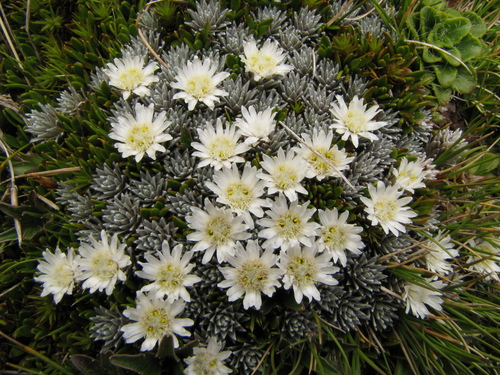
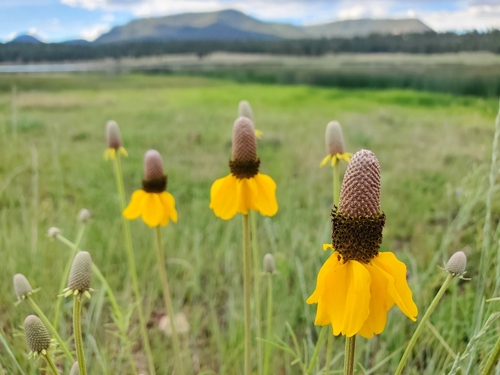
Photo: (c) Tony Rodd, some rights reserved (CC BY-NC-SA) · cc-by-nc-sa

Taxonomy

Plantae Tracheophyta Magnoliopsida Asterales Asteraceae Eupatorium
⚠️ View all poisonous species →

More from Asteraceae

Sources: GBIF, iNaturalist, Wikipedia, NCBI Taxonomy · Disclaimer

Identify Eupatorium capillifolium (Lam.) Small instantly — even offline

iNature uses on-device AI to identify plants, animals, fungi and more. No internet needed.

Download iNature — Free

Start Exploring Nature Today

Download iNature for free. 10 identifications on us. No account needed. No credit card required.

Download Free on App Store