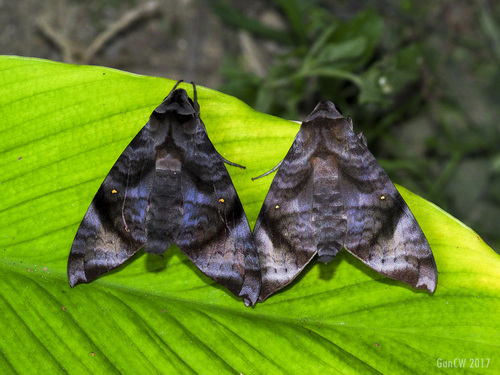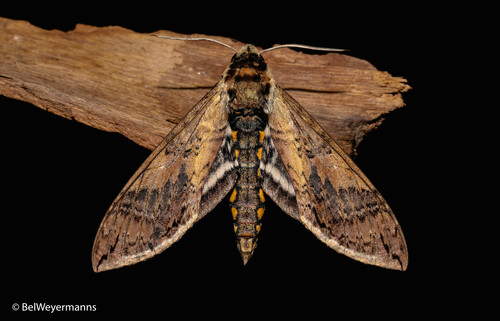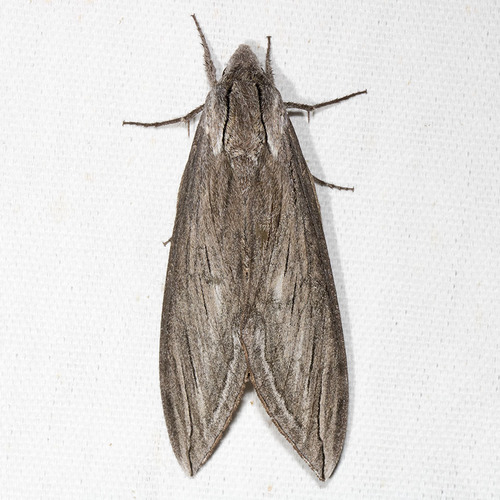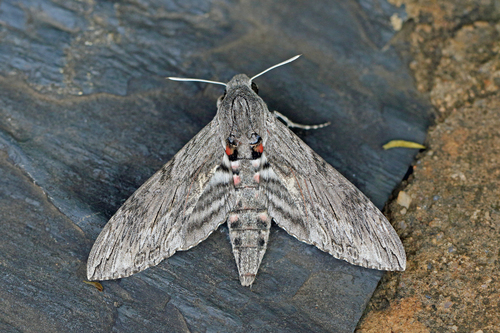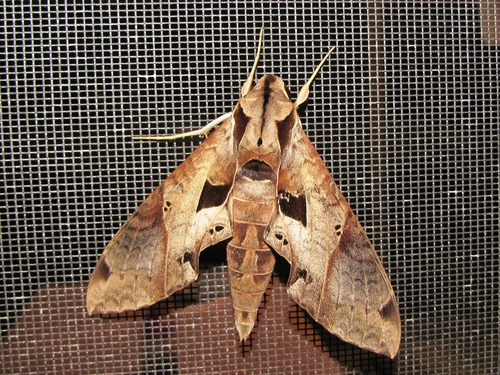
Eumorpha satellitia Linnaeus, 1771 is a animal in the Sphingidae family, order Lepidoptera, kingdom Animalia. Not known to be toxic.

Photo of Eumorpha satellitia Linnaeus, 1771 (Eumorpha satellitia Linnaeus, 1771)
🦋 Animalia

Eumorpha satellitia Linnaeus, 1771

Eumorpha satellitia Linnaeus, 1771

Eumorpha satellitia, the satellite sphinx, is a Sphingidae moth found from the southern US down to northern Argentina.

Family
Genus
Eumorpha
Order
Lepidoptera
Class
Insecta

About Eumorpha satellitia Linnaeus, 1771

Eumorpha satellitia, commonly known as the satellite sphinx, is a moth species belonging to the family Sphingidae. It was first described by Carl Linnaeus in 1771. This species ranges from Brazil and northern Argentina northward through Central America, Mexico, and the West Indies, reaching as far north as south Texas and southern Arizona in the United States. The wingspan of adult satellite sphinx moths measures 114–134 mm. Adults are active on the wing from April to August, with a second active period in October. Adult moths feed on nectar from a variety of flowers, including Petunia hybrida, Saponaria officinalis, and Lychnis alba. The larvae feed on the leaves of Cissus pseudosicyoides and Cissus rhombifolia. Pupation occurs underground for this species.
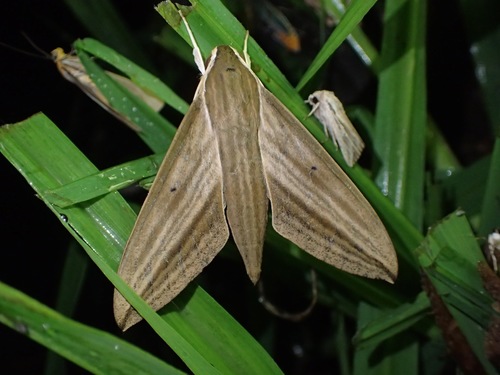
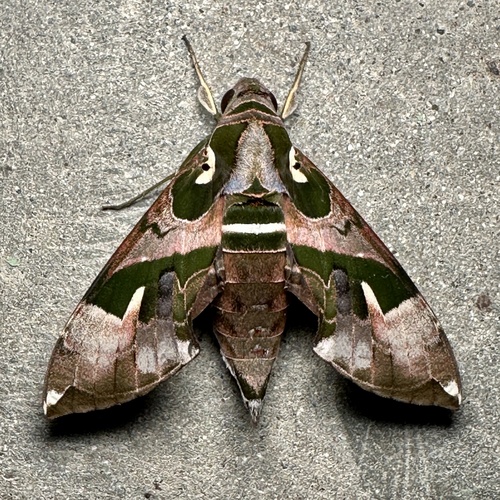
Photo: (c) Jan Meerman, some rights reserved (CC BY-NC), uploaded by Jan Meerman · cc-by-nc

Taxonomy

Animalia Arthropoda Insecta Lepidoptera Sphingidae Eumorpha

More from Sphingidae

Sources: GBIF, iNaturalist, Wikipedia, NCBI Taxonomy · Disclaimer

Identify Eumorpha satellitia Linnaeus, 1771 instantly — even offline

iNature uses on-device AI to identify plants, animals, fungi and more. No internet needed.

Download iNature — Free

Start Exploring Nature Today

Download iNature for free. 10 identifications on us. No account needed. No credit card required.

Download Free on App Store