About Euchorthippus declivus (Brisout de Barneville, 1848)
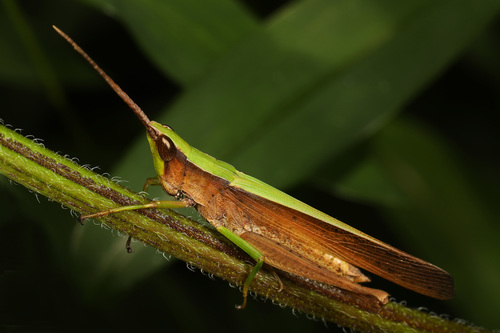
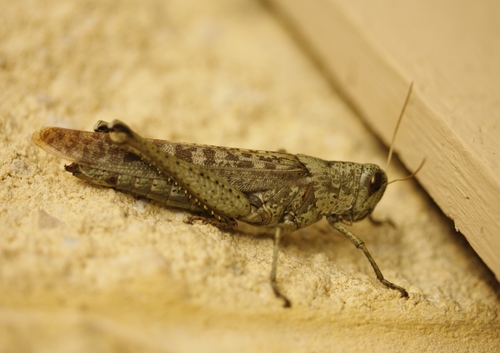
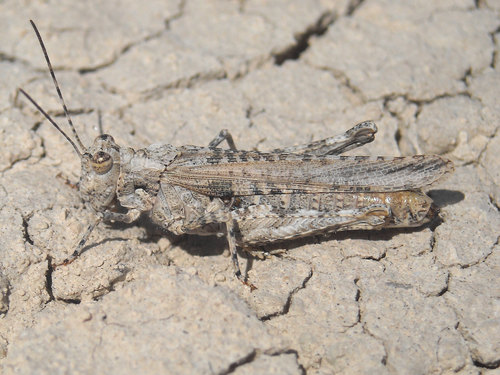
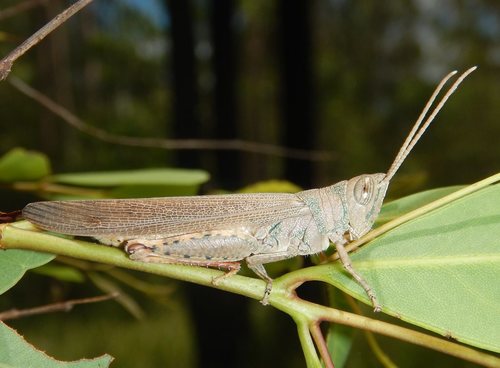
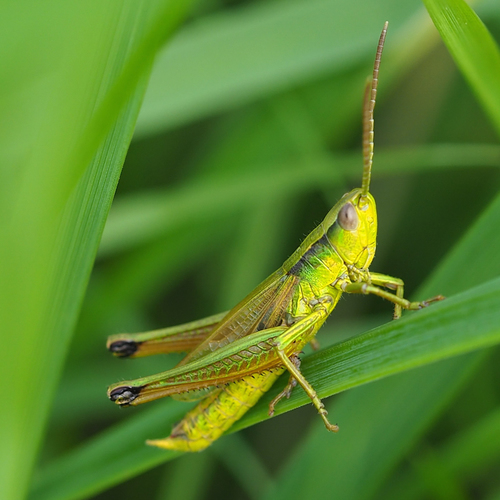
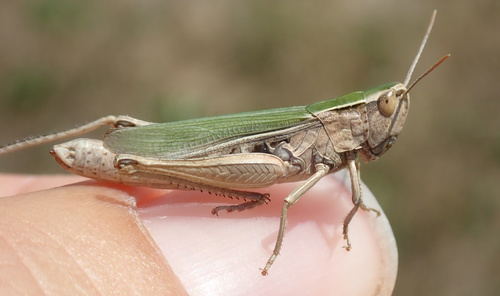
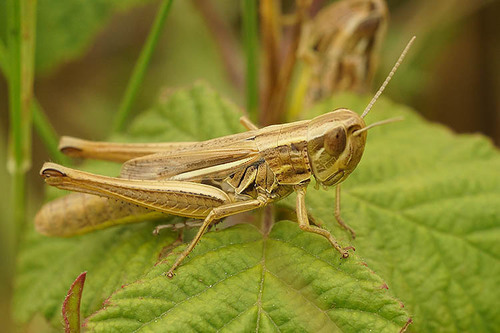
Euchorthippus declivus, first described by Brisout de Barneville in 1848, shows clear sexual dimorphism in adult body size. Mature males reach 14–20 millimetres (0.55–0.79 inches) in length, while mature females grow larger, reaching 20–27 millimetres (0.79–1.06 inches) in length. The basic body coloration of this species ranges from light brown to beige, and occasionally appears yellow-green. Two or three distinct darker longitudinal stripes run from the eyes toward the rear of the body. It has a relatively large head. The underside of the abdomen is yellow, and males typically have an orange-colored tip on the abdomen. Wings are atrophied (reduced and non-functional) in both sexes. This very common species occurs across central and southern Europe. It occupies arid, sunny environments including southern-facing slopes, gravelly areas with sparse vegetation, and meadows and pastures ranging from very dry to moderately moist.