About Erythrina variegata L.
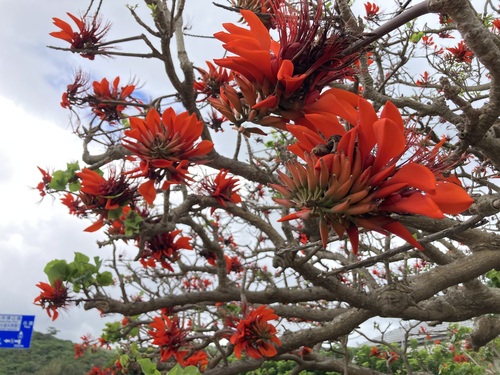
Erythrina variegata L. (Indian coral tree) is a thorny deciduous tree that reaches up to 27 meters (89 feet) in height.
Leaf Features
Its leaves are pinnate, with a 20 centimeter (7.9 inch) petiole and three leaflets; each leaflet can grow up to 20 centimeters long and 20 centimeters broad.
Floral and Seed Traits
This species produces dense clusters of scarlet or crimson flowers, and forms black seeds.
Pollination Observations
Notably, crows have been observed pollinating the Indian coral tree while feeding on its nectar-rich flowers.
Ornamental Use
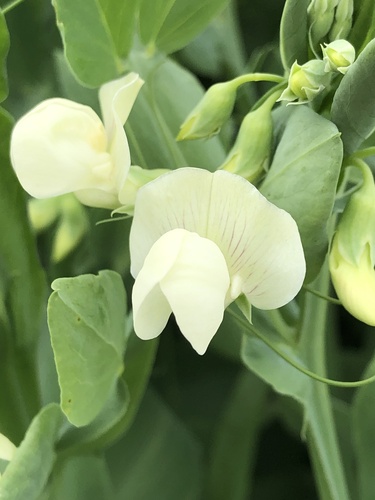
Erythrina variegata is widely valued as an ornamental tree, and several cultivars have been selected for cultivation, including 'Alba' which bears white flowers.
Traditional Culinary Use in Vietnam
In Vietnam, its leaves are traditionally used to wrap fermented meat, known locally as nem.
Medicinal Use in the Philippines
In the Philippines, where it is called dapdap in many local languages, its bark and leaves are used in alternative medicine.
Agroforestry and Fodder Applications
It is commonly used in agroforestry systems, and its foliage can serve as fodder, as it has good nutritional value for most types of livestock.
Seed Edibility
Raw seeds of Erythrina variegata are poisonous, but the seeds become edible after cooking.
Historical Fishing Use
Both the seeds and bark of the tree were historically used to stupefy fish to make catching them easier.
Puyuma Tribe Cultural Use
The Puyuma tribe, an indigenous group of Formosa, carve a type of mortar called taur from the tree's trunk, which is used to pound sticky rice before the rice is steamed.