About Erysiphe heraclei DC.
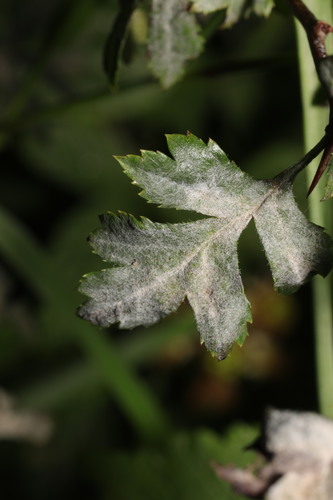
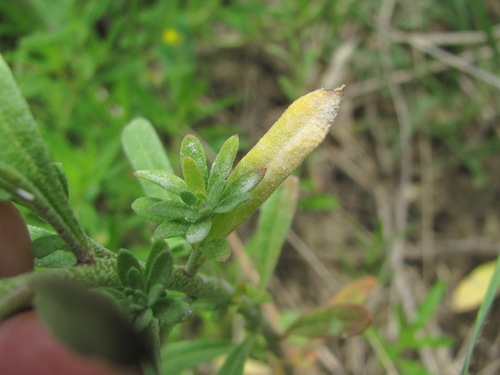
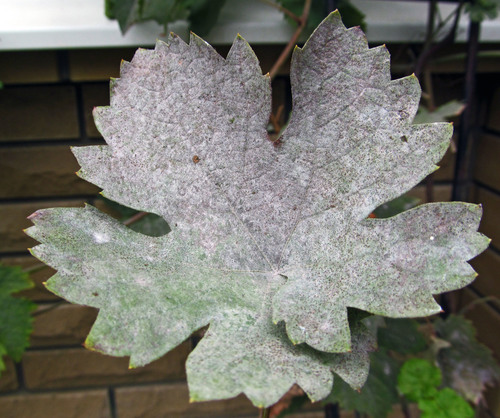
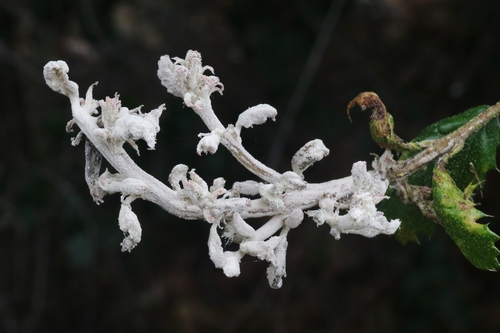
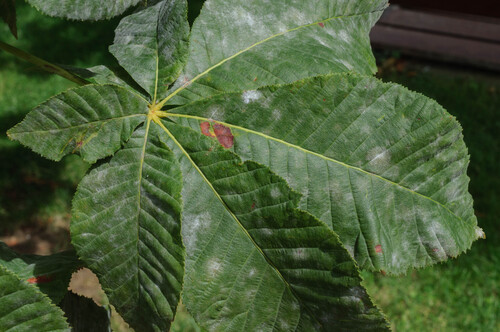
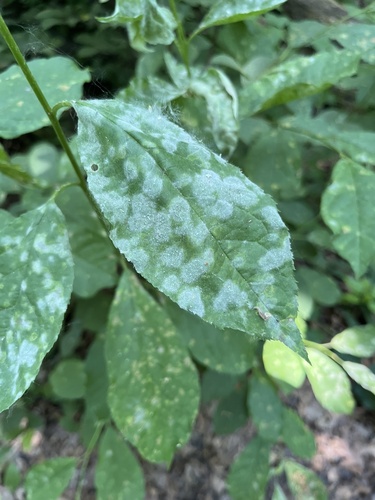
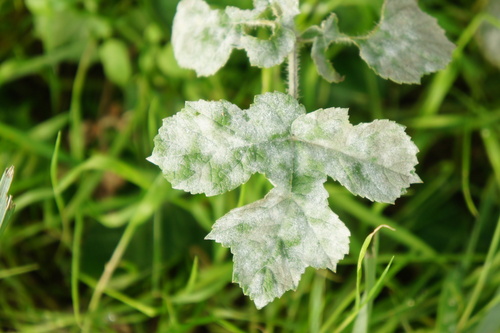
The fungus Erysiphe heraclei DC. forms mycelium on both sides of host plant leaves, as well as on host stems and inflorescences. Like most members of the family Erysiphaceae, Erysiphe heraclei is fairly host-specific, infecting almost solely plants in the family Apiaceae, with the only exception being one genus in the Pittosporaceae. However, for a powdery mildew species, it infects a comparatively large range of genera. This pattern could suggest that Erysiphe heraclei is in fact a complex of multiple cryptic species. Erysiphe heraclei can be found in any habitats where its host species occur, including habitats with wild hosts, and urban and suburban gardens and parks. Its reported host range includes Aegopodium, Aethusa, Ammi, Anethum, Angelica, Anthriscus, Apium, Arracacia, Astrodaucus, Athamantha, Aulacospermum, Berula, Bifora, Bowlesia, Bunium, Bupleurum, Cachrys, Carum, Caucalis, Centella, Chaerophyllum, Chaetosciadium, Cicuta, Cnidium, Conioselinum, Conium, Coriandrum, Cuminum, Daucus, Drusa, Dystaenia, Eryngium, Falcaria, Ferula, Foeniculum, Heracleum, Laser, Laserpitium, Levisticum, Ligusticum, Myrrhis, Oenanthe, Orlaya, Ostericum, Osmorhiza, Pastinaca, Petroselinum, Peucedanum, Phlojodicarpus, Physospermum, Pimpinella, Pleurospermum, Peucedanum, Rhabdosciadium, Ridolfia, Saposhnikovia, Scaligeria, Scandix, Schrenkia, Selinum, Seseli, Silaum, Siler, Sium, Smyrnium, Sphallerocarpus, Thapsia, Todaroa, Tordylium, Torilis, Trachymene, Trinia, Turgenia and Zizia in the Apiaceae, and Billardiera in the Pittosporaceae. Some of these host species also host other species of powdery mildew. The mycelium is hypophyllous, meaning it is found on leaf undersides, and sometimes covers the entire leaf surface. The hyphal appressoria are lobed, and occur both solitarily and in opposite pairs. Conidiophores arise from the top of their mother cell. They have cylindrical, straight foot cells. The conidiophores produce single conidia. Conidia are cylindrical; germ tubes arise from an end of the conidia and are variable in length. Conidial appressoria vary widely in shape, and can have up to nine lobes. The chasmothecia, or fruiting bodies, have a variable number of appendages in their lower half. These appendages are myceloid, and are either simple or irregularly branched. These appendages are often reported to be interwoven with the mycelium. When mature, the appendages are pigmented yellowish-brown. The peridium of the chasmothecia has inconspicuous, irregularly shaped cells. Erysiphe heraclei typically has three to five spores per ascus; these spores are large, ellipsoid-ovoid and colourless. The asci are typically clavate or saccate, and are either sessile or short-stalked.