About Erysimum teretifolium Eastw.
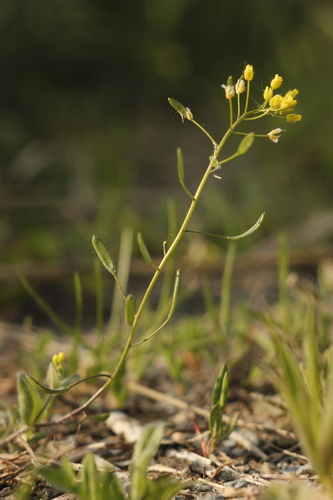
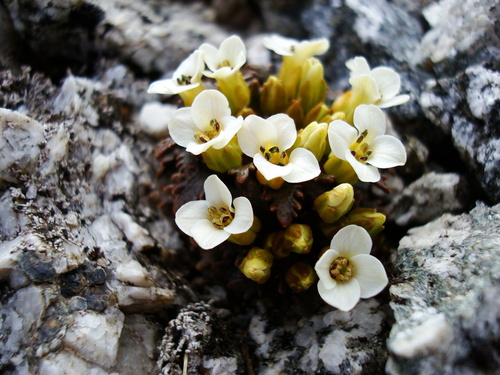
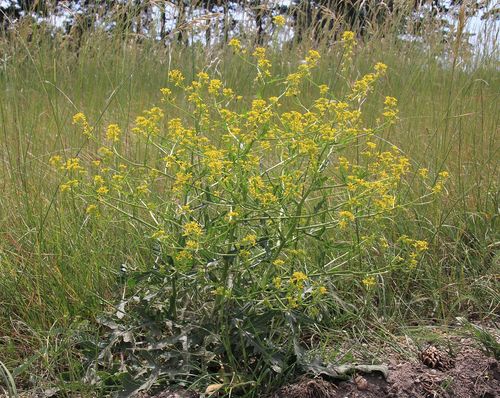
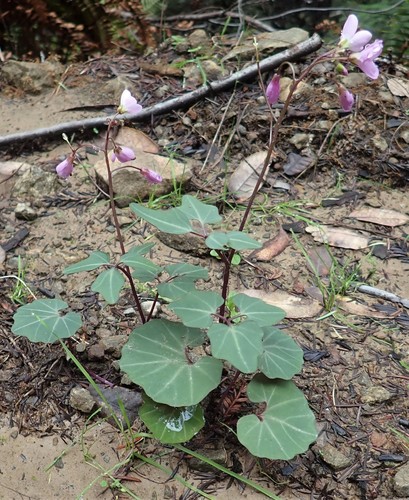
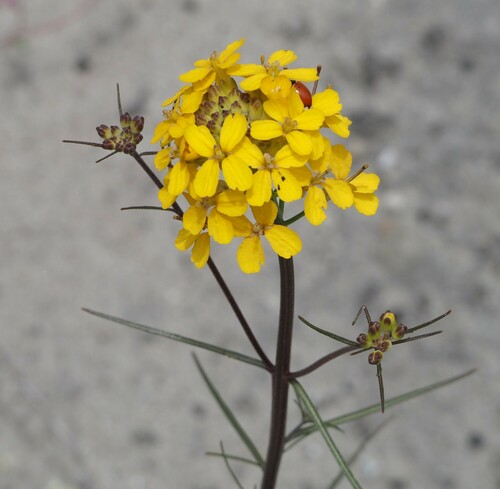
Erysimum teretifolium, commonly known as Santa Cruz wallflower and Ben Lomond wallflower, is a very rare plant species in the Erysimum genus. It is endemic to Santa Cruz County, California, where it grows on inland sand spits, in chaparral, and on sandstone deposits in the southern Santa Cruz Mountains, and it only occurs within a strip of land 9 miles long by 5 miles wide. It is an endangered species listed at both the California state and federal level. This plant is a biennial or perennial herb that produces one or more unbranched, erect, dark reddish-purple stems, ranging in height from 15 centimeters to nearly one meter. A few straight, somewhat toothed, dark greenish leaves grow along the stems. Thin clusters of flowers form at the tops of the stems, each flower having rounded bright to dark yellow or orangish petals that measure one to two centimeters long. After the flowers drop, long, flat fruits called siliques, which can reach up to 15 centimeters in length, are left sticking out from the stem. The main threats to this species are coastal and inland development, and sand mining in its native habitat. Approximately 75% of the remaining Erysimum teretifolium plants grow on land owned by a sand mining company. Fire suppression has also altered its habitat in harmful ways: leaf and needle litter builds up over time, while this plant requires open stretches of sand. Urban development further threatens the species by destroying habitat and causing habitat fragmentation. Around 13 extant populations of Erysimum teretifolium are known, and several other populations are believed to have been extirpated. Habitat damaged by sand mining operations will likely never be restored to its original natural condition.