Eryngium leavenworthii Torr. & A.Gray is a plant in the Apiaceae family, order Apiales, kingdom Plantae. Not known to be toxic.

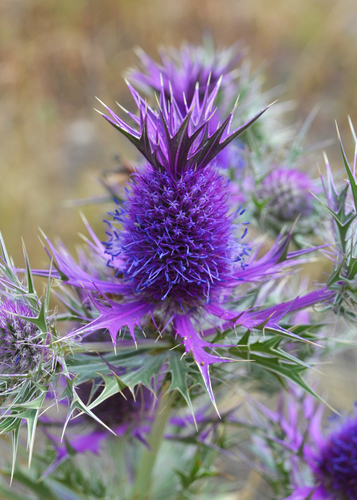
Photo of Eryngium leavenworthii Torr. & A.Gray (Eryngium leavenworthii Torr. & A.Gray)
🌿 Plantae

Eryngium leavenworthii Torr. & A.Gray

Eryngium leavenworthii Torr. & A.Gray

Eryngium leavenworthii, or Leavenworth's eryngo, is an annual Apiaceae native to the central United States.

Family
Genus
Eryngium
Order
Apiales
Class
Magnoliopsida
⚠️ Toxicity Note

Insufficient toxicity evidence; avoid direct contact and ingestion.

About Eryngium leavenworthii Torr. & A.Gray

Eryngium leavenworthii, commonly called Leavenworth's eryngo, is an annual plant species in the Apiaceae family native to the central United States. This plant can grow up to 3 feet tall. It grows in dry rocky prairies, roadside fields, open woodlands, and waste areas, and is most often found growing in soils made of limestone or chalk. Its flowering period runs from July through September, though blooming may extend as late as November in some regions. Individual flower structures measure 1 1/2 inches to 3 inches in length, and approximately 1/2 inch in width. It is very often confused with thistle. The flowers grow on elongated stems above spiked leaves, forming tight cone-shaped clusters of purple or wine-colored blooms that look like small fuzzy pineapples. It was named for Melines Conklin Leavenworth (1796–1862), the botanist credited with its discovery.
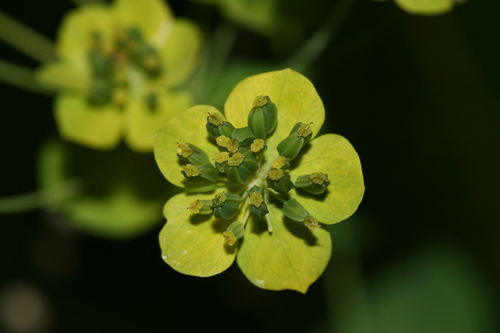
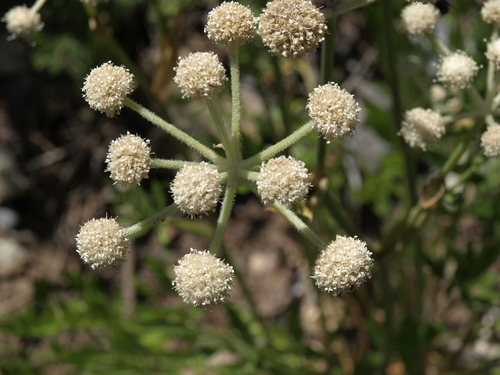
Photo: (c) amy_buthod, some rights reserved (CC BY-NC-SA) · cc-by-nc-sa

Taxonomy

Plantae Tracheophyta Magnoliopsida Apiales Apiaceae Eryngium

More from Apiaceae

Sources: GBIF, iNaturalist, Wikipedia, NCBI Taxonomy · Disclaimer

Identify Eryngium leavenworthii Torr. & A.Gray instantly — even offline

iNature uses on-device AI to identify plants, animals, fungi and more. No internet needed.

Download iNature — Free

Start Exploring Nature Today

Download iNature for free. 10 identifications on us. No account needed. No credit card required.

Download Free on App Store