All Species Plantae

Eriocapitella vitifolia (Buch.-Ham. ex DC.) Nakai is a plant in the Ranunculaceae family, order Ranunculales, kingdom Plantae. Not known to be toxic.

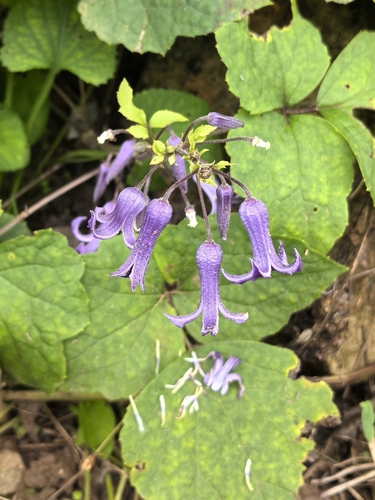
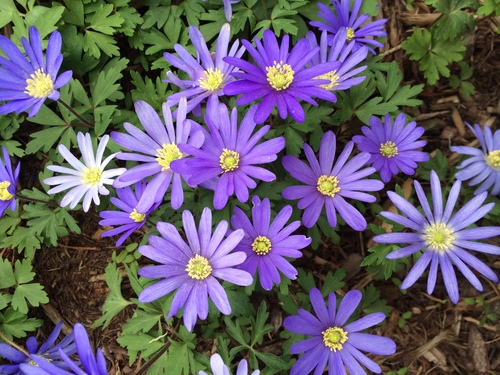
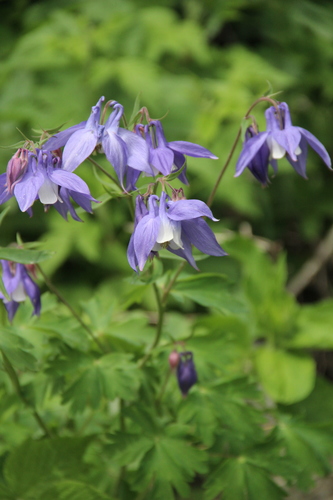
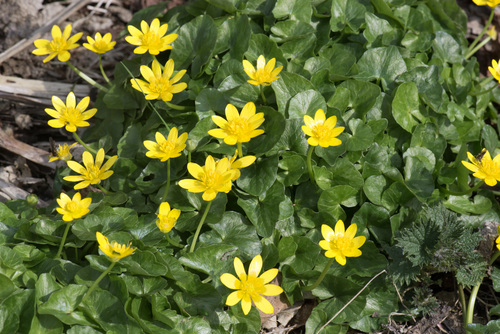
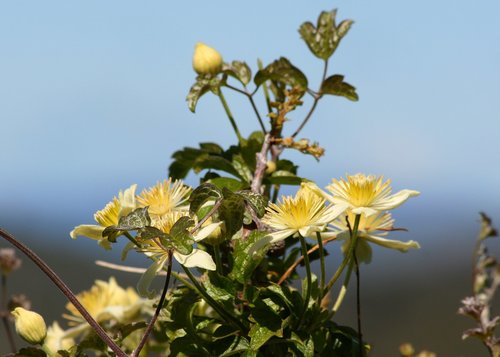
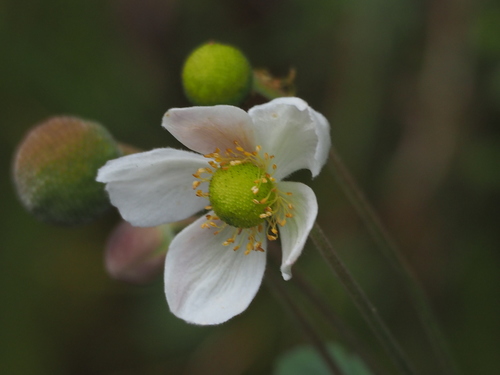
Photo of Eriocapitella vitifolia (Buch.-Ham. ex DC.) Nakai (Eriocapitella vitifolia (Buch.-Ham. ex DC.) Nakai)
Plantae

Eriocapitella vitifolia (Buch.-Ham. ex DC.) Nakai

Eriocapitella vitifolia (Buch.-Ham. ex DC.) Nakai

Eriocapitella vitifolia, the grape-leaved anemone, is a fall-blooming Ranunculaceae species native to Asia.

Identify with AI — Offline
Family
Genus
Eriocapitella
Order
Ranunculales
Class
Magnoliopsida
⚠️ Toxicity Note

Insufficient toxicity evidence; avoid direct contact and ingestion.

✦ Fun Fact

The grape leaf anemone is a common wildflower that often goes unnoticed, blending in with the wild grass. However, upon closer inspection, its yellow pistil and pink petals—while not fragrant—are as vibrant and stunning as those of a lotus. In early autumn, it gracefully sways with the breeze, showcasing a serene and understated natural beauty.

About Eriocapitella vitifolia (Buch.-Ham. ex DC.) Nakai

Taxonomic Classification

Eriocapitella vitifolia is a species of flowering plant belonging to the buttercup family, Ranunculaceae, and it is native to Asia.

Etymology of Specific Epithet

Its specific epithet vitifolia translates to "vine-leaved", referring to leaves that resemble those of Vitis, the grapevine genus.

Common English Names

For this reason, the plant is commonly known as the grape-leaved anemone or grape-leaved windflower.

Common Chinese Name

In Chinese, one common name for the species is ye mian hua, which means "wild cotton".

Fall-Blooming Anemone Group

Eriocapitella vitifolia, along with four other related taxa: E. hupehensis, E. japonica, E. tomentosa, and E. × hybrida, are collectively referred to as fall-blooming anemones.

Native Blooming Period

In the species' native habitat, E. vitifolia blooms from July to October.
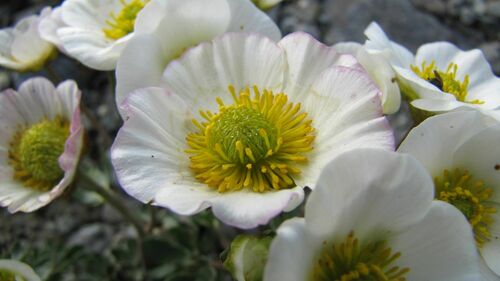
Photo: no rights reserved, uploaded by 葉子 · cc0

Taxonomy

Plantae Tracheophyta Magnoliopsida Ranunculales Ranunculaceae Eriocapitella

More from Ranunculaceae

Sources: GBIF, iNaturalist, Wikipedia, NCBI Taxonomy · Disclaimer

Start Exploring Nature Today

Download iNature for free. 10 identifications on us. No account needed. No credit card required.

App Store
Scan to download from App Store

Scan with iPhone camera

Google Play
Scan to download from Google Play

Scan with Android camera