About Erica verticillata P.J.Bergius
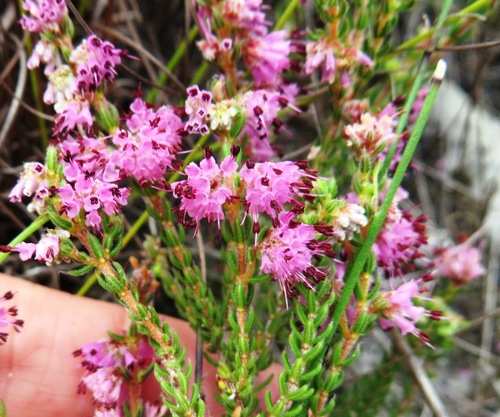
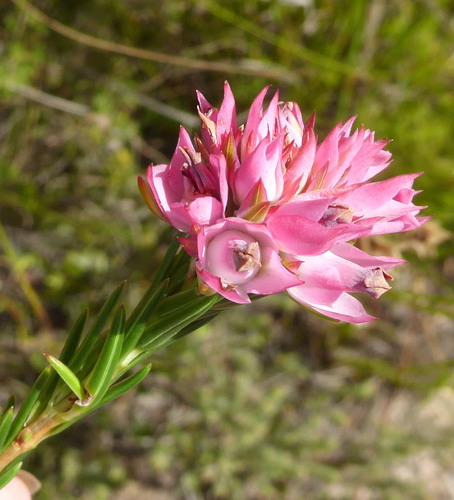
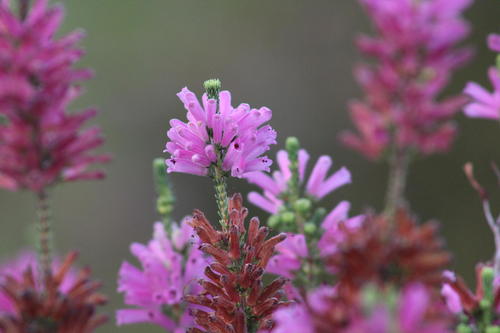
Erica verticillata P.J.Bergius is a species of Erica that was originally only found within the city of Cape Town, South Africa, and is currently classified as extinct in the wild. In the past, this species only grew in specific areas of the Cape Flats on South Africa's Cape Peninsula. Its natural habitat was Cape Flats Sand Fynbos, a fynbos vegetation type that is currently threatened by urban sprawl and habitat fragmentation. Erica verticillata preferred damp sandy soils, such as those that naturally occurred around Wynberg, Kenilworth and Zeekoevlei. Multiple pollinator species, including bees and birds such as the southern double-collared sunbird, have been observed feeding on the tubular pink flowers of E. verticillata. E. verticillata has three distinct cultivated forms: the Kirstenbosch form, the Pretoria form and the Kew form. In cultivation, it prefers seasonally moist sandy soils, but grows well in average garden conditions as long as the soil is acidic. The best time to plant this species is in autumn or winter, though it can be planted at other times of the year if watered regularly. When weeding around E. verticillata, it is critical to never disturb its roots. After planting, plants should be watered thoroughly, then watered every two to three days unless sufficient rainfall occurs.