About Eragrostis variabilis (Gaudich.) Steud.
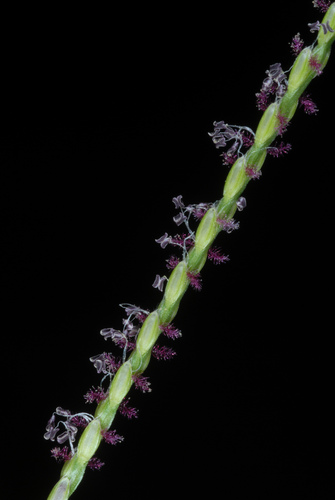
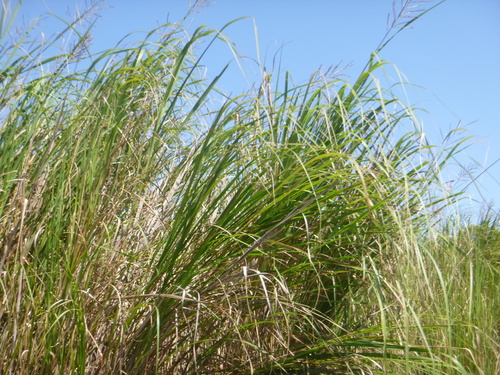
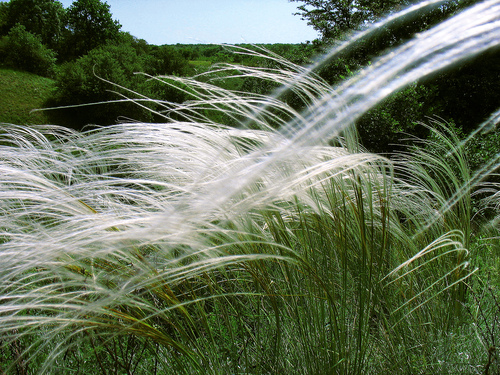
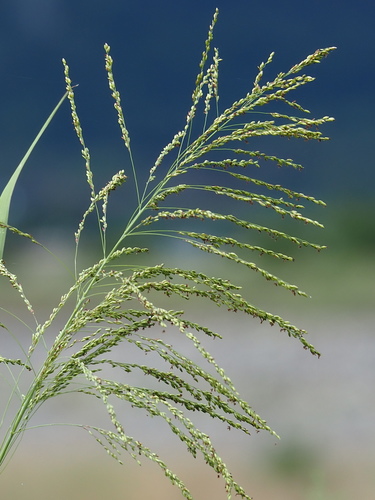
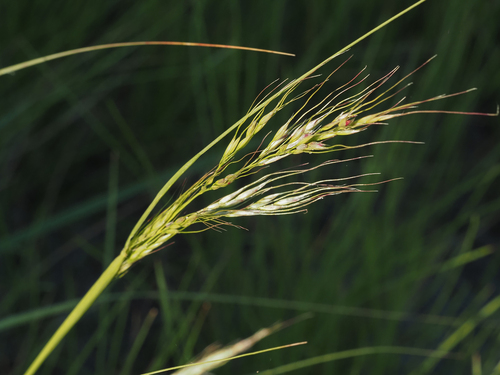
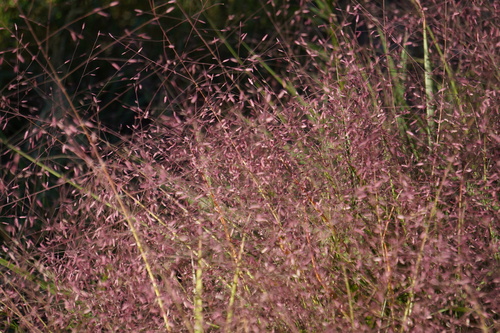
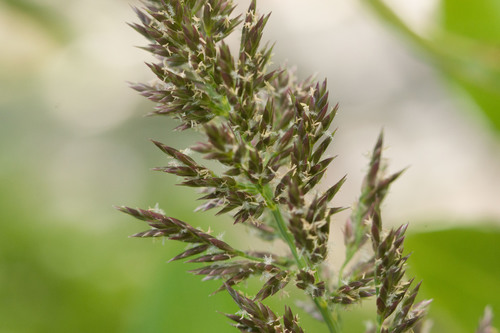
Eragrostis variabilis (Gaudich.) Steud. is a grass species with the common names variable lovegrass, kawelu, emoloa, and kalamalo. It is endemic to Hawaii, where it can be found on all main islands, plus Kure Atoll, Midway Atoll, Pearl and Hermes Atoll, Lisianski Island, Laysan, and Nīhoa. This is a perennial grass species with highly variable physical appearance. Its smooth, erect stems can reach 3 feet tall or more. Both its leaves and inflorescences have variable lengths. Its panicles can be open and spreading, or dense and spike-shaped. Plants growing on Hawaii’s main islands differ in appearance from plants growing on the archipelago’s other islands. One pound of this species contains approximately 3,136,000 seeds. It grows in a range of island habitat types, from sea-level dunes to ridges and cliffs up to 3700 feet in elevation, and occupies areas that receive 40 to 100 inches of precipitation each year. On Laysan Island, this grass forms the primary nesting habitat for the rare Laysan finch (Telespiza cantans), which hides its nests within the grass’s clumps. It also provides important nesting cover for the rare Laysan duck (Anas laysanensis), and is used by other bird species including the brown noddy (Anous stolidus), wedge-tailed shearwater (Puffinus pacificus), and red-tailed tropicbird (Phaethon rubricauda). Native Hawaiians historically used this plant for thatching, and it is also grown as an ornamental grass. The species is displaced by the introduced invasive weed sandbur (Cenchrus echinatus), and this displacement reduces the amount of nesting habitat available to native birds.