About Endothenia hebesana (Walker, 1863)
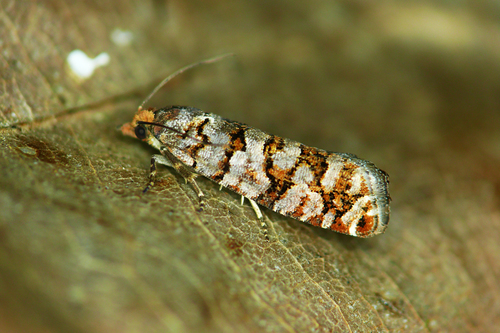
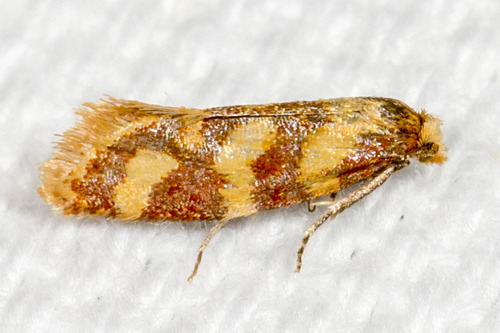
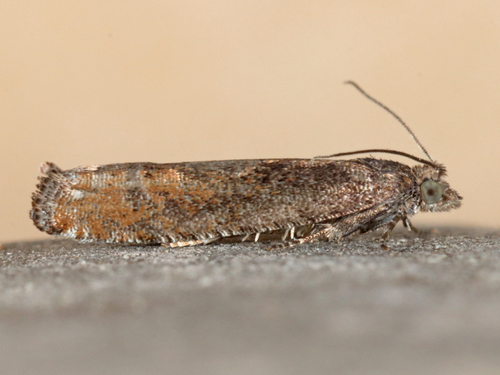
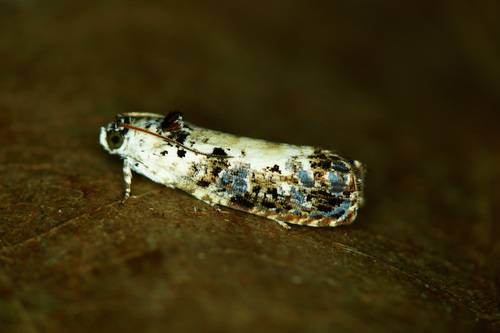
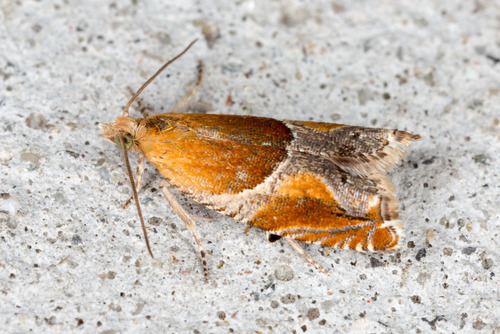
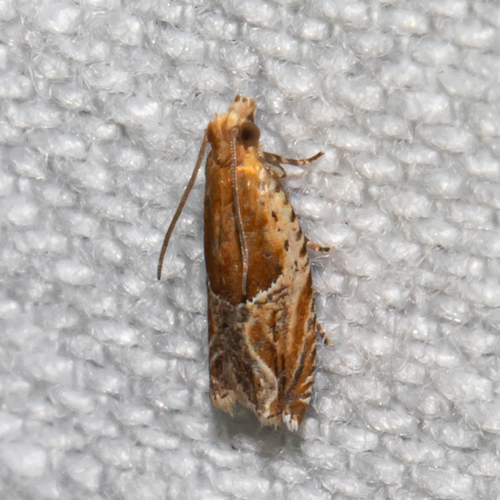
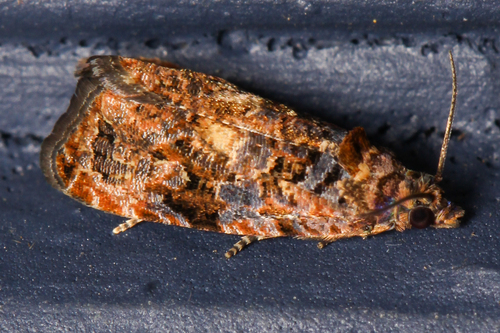
Endothenia hebesana, commonly known as the verbena bud moth, is a moth species that belongs to the Tortricidae family. It is native to North America, with confirmed records from the states of Massachusetts, New York, New Jersey, Pennsylvania, Maryland, Virginia, North Carolina, Florida, Texas, Ohio, Indiana, Missouri, and California in the United States, as well as the provinces of British Columbia, Alberta, Manitoba, and Ontario in Canada. Its typical habitat is black spruce-sphagnum bogs. For both males and females of this species, forewing length measures between 5 mm and 8.2 mm. Forewing color ranges from dusky brown to clay. Adult moths are active in flight from late April to mid-June each year. The number of generations produced annually is one or more, depending on the moth's latitude. The larvae of Endothenia hebesana feed on the seeds of species from multiple plant genera: Antirrhinum, Gentiana, Gerardia, Iris, Orthocarpus, Penstemon, Physostegia, Solidago, Stachys, Teucrium, Tigridia, Verbascum, Verbena, Veronica, Sarracenia, Scrophularia, and Scutellaria. This species has five distinct larval instars. The fourth and fifth instars overwinter inside the flower stalks of their host plant. Pupation occurs in late May.