About Elymus virginicus L.
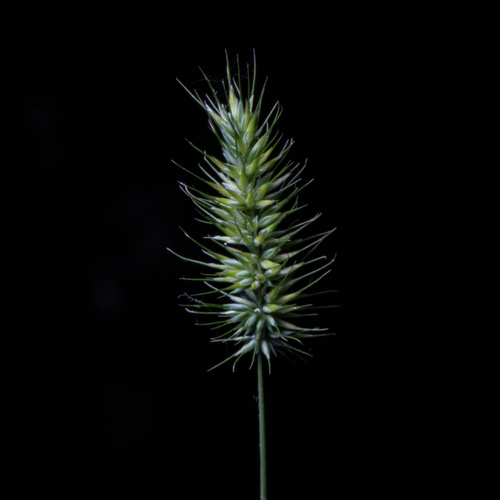
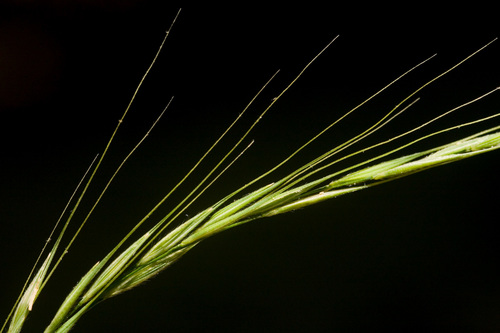
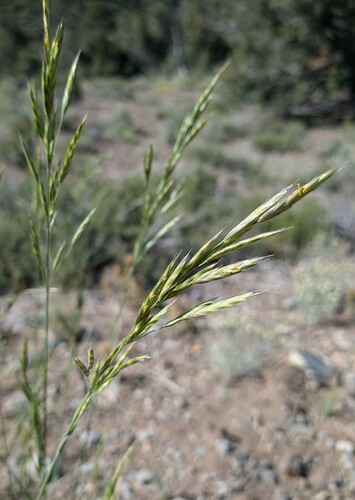
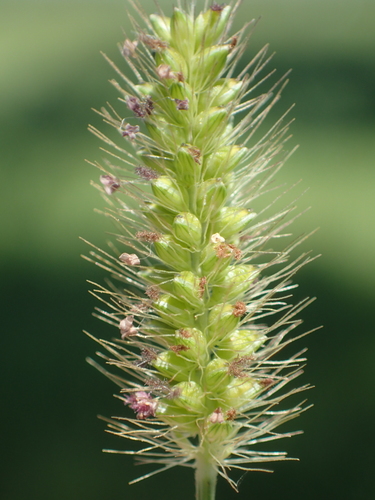
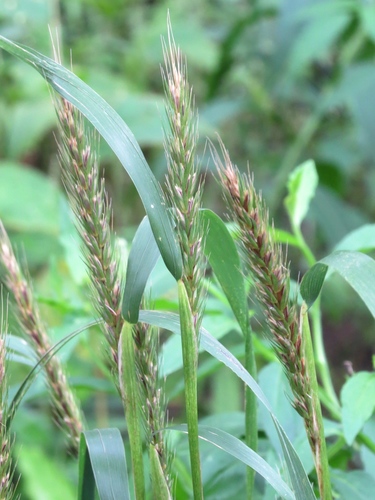
Elymus virginicus L., commonly called Virginia wildrye, is a cool season perennial bunchgrass. This species has variable foliage color, ranging from green to silver blue, and grows 2 to 4 feet tall. Its seed head is 2 to 6 inches long, with dense, medium-length awns. Key identifying characteristics include: the seed head stays straight at maturity, it has a short, membranous, rigid ligule, it produces a densely awned, wheat-like head, and no hairs grow on its stems or leaves. Foliage can be green and waxy, blue-green, or silver. It flowers from May to July. Common uses for Virginia wildrye include pasture and hay production, ecological restoration, erosion control, wildlife habitat, and use in buffer strips. This species is distributed throughout the eastern two-thirds of the United States and all of Canada's southern provinces. Compared to Canadian wildrye, it typically grows in moister sites and tolerates more shading. It prefers heavy, fertile soils but is extremely adaptable to other conditions.