About Elymus repens (L.) Gould
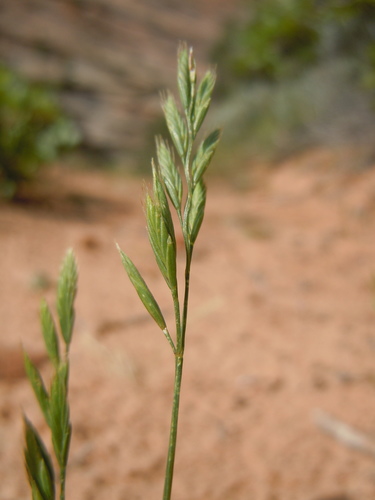
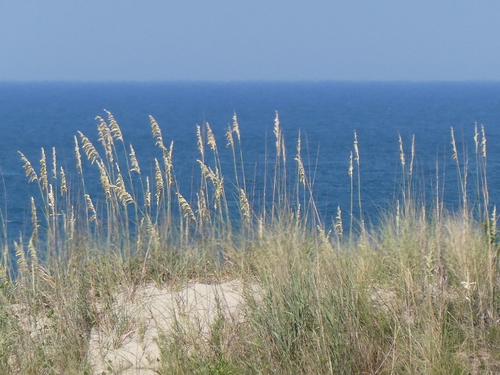
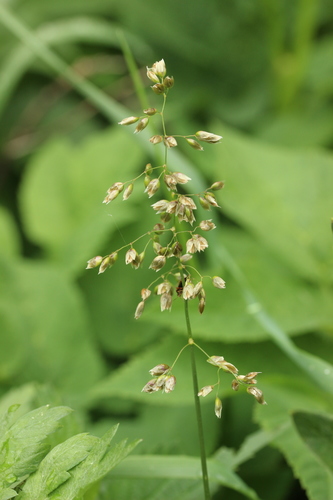
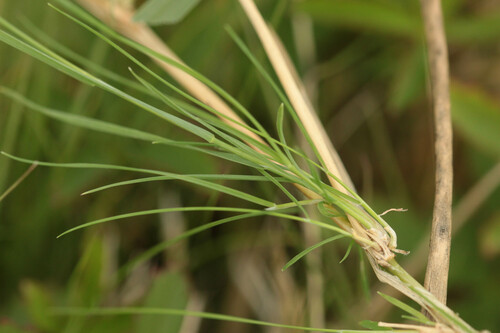
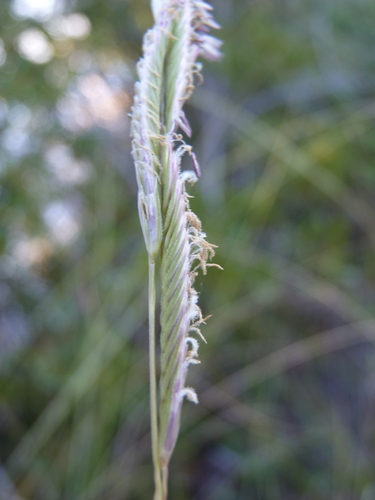
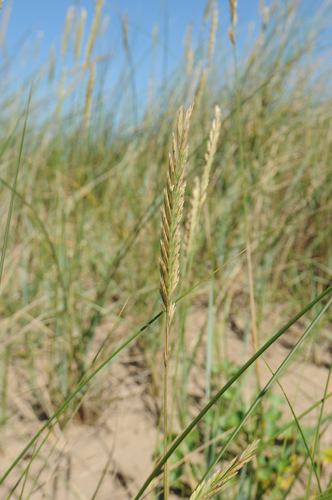
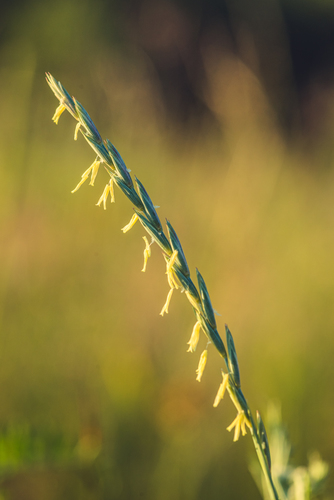
Elymus repens (L.) Gould has creeping rhizomes that let it spread and grow rapidly across grassland. It produces flat, hairy leaves and upright flower spikes. Its stems, called culms, reach a height of 40–150 centimetres (16–59 in). The leaves are linear; leaves at the base of the plant are 15–40 centimetres (5.9–15.7 in) long and 3–10 millimetres (0.12–0.39 in) broad, while leaves growing higher on the stems are 2–8.5 millimetres (0.079–0.335 in) broad. Its flower spike is 10–30 millimetres (0.39–1.18 in) long. It bears spikelets that are 1–2 centimetres (0.39–0.79 in) long, 5–7 millimetres (0.20–0.28 in) broad, and 3 millimetres (0.12 in) thick, each holding three to eight florets. The glumes are 7–12 millimetres (0.28–0.47 in) long, and are usually awnless, or only have a very short awn. In the Northern Hemisphere, this species flowers from the end of June through August. In its ecology, its foliage forms an important forage grass for many grazing mammals. Its seeds are eaten by several species of grassland birds, especially buntings and finches. The caterpillars of some Lepidoptera species, including the Essex skipper (Thymelicus lineola), use Elymus repens as a foodplant.