About Ectropis crepuscularia (Denis & Schiffermüller), 1775
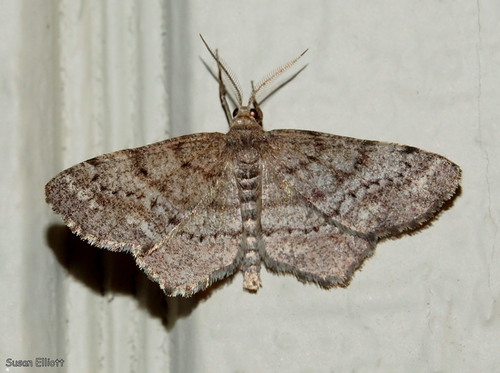
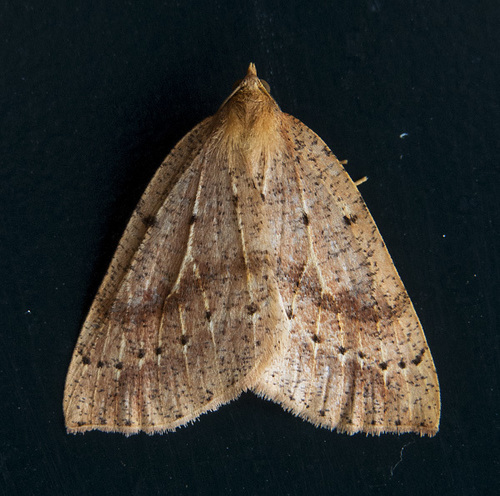
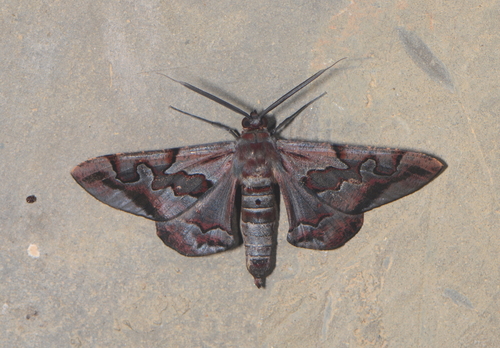
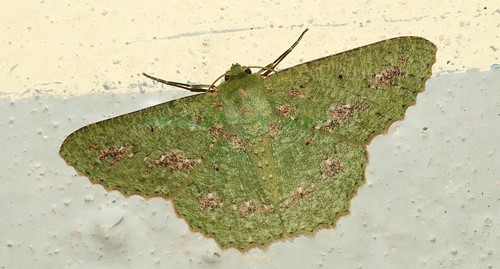
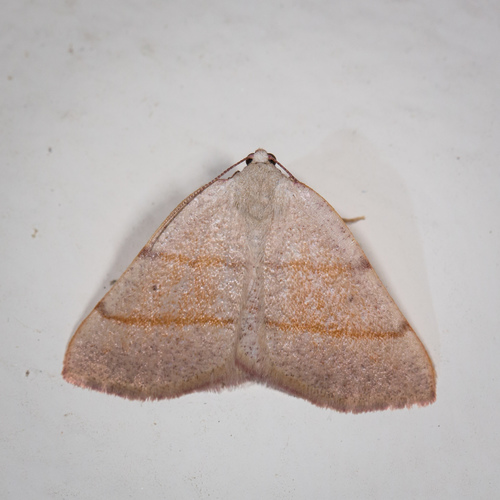
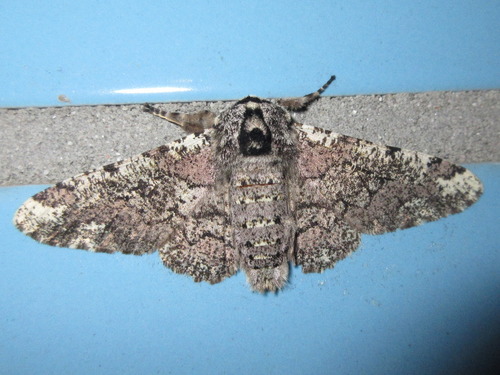
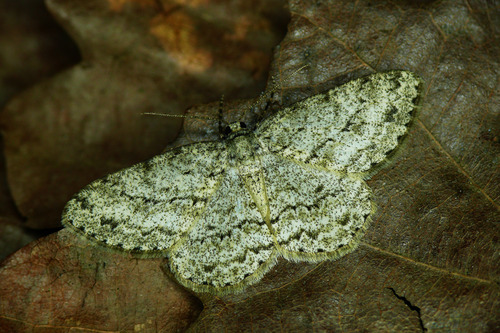
Ectropis crepuscularia, the species commonly called the engrailed and small engrailed, is a moth belonging to the family Geometridae. Its distribution ranges from the British Isles through central and eastern Europe to the Russian Far East and Kazakhstan. Its southern distribution limit includes the western Mediterranean, Asia Minor, the Caucasus, and the Balkan countries; to the north, its range ends at the Arctic Circle. This species is also found in North America. There is ongoing taxonomic debate about this group: some researchers treat it as a single species, while others argue that Ectropis crepuscularia should only refer to the small engrailed, with the true engrailed classified as a separate species, E. bistortata. The ground color of the moth's wings is buff or grey, with variable darker fascia and a pale postdiscal crossline. These darker markings are typically less prominent than those of the similar species willow beauty. Melanic forms of this moth appear fairly frequently. The moth's wingspan measures 38–45 mm (1.5–1.8 in). This species can produce one or two generations of broods each year. Within the British Isles, adult moths can be seen between March and August; this flight period may differ in other parts of the species' range. Adults fly at night and are attracted to light. The greyish caterpillar of this species is highly polyphagous, feeding on a very wide variety of plants. In the caterpillar stage, the species is known as the saddleback looper. The species overwinters in the pupal stage. Recorded food plants for the caterpillar are: Acer (maple), Aconitum (monkshood), Alnus (alder), Aquilegia (columbine), Betula (birch), Calluna vulgaris (heather), Camellia japonica (Japanese camellia), Castanea (chestnut), Centaurea (star thistle), Cirsium arvense (creeping thistle), Cornus (dogwood), Daphniphyllum, Diervilla (bush honeysuckle), Frangula (alder buckthorn), Fraxinus (ash), Genista (broom), Glycine (soybean), Hypericum maculatum (imperforate St. John's wort), Ilex (holly), Juglans (walnut), Larix (larch), Lindera (spice bush), Lonicera (honeysuckle), Lythrum salicaria (purple loosestrife), Malus (apple), Philadelphus (mock-orange), Picea (spruce), Pieris, Pinus (pine), Plectranthus, Populus (poplar), Pseudotsuga (Douglas fir), Quercus (oak), Ribes rubrum (redcurrant), Rosa (rose), Rubus idaeus (raspberry), Rumex (dock), Salix (willow), Sambucus (elder), Shepherdia canadensis (Canada buffaloberry), Sorbus spp. (rowans), Spartina (cordgrass), Thuja, Trifolium (clover), Tsuga (hemlock), Ulmus (elm), Vaccinium, Zanthoxylum.