About Echinodorus berteroi (Spreng.) Fassett
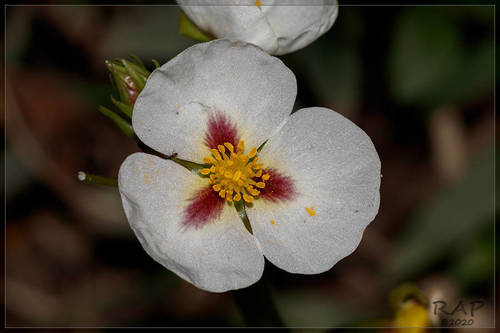
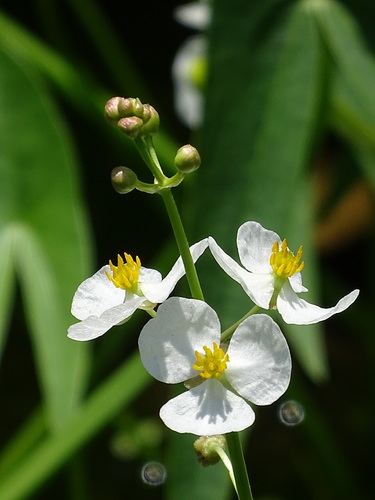
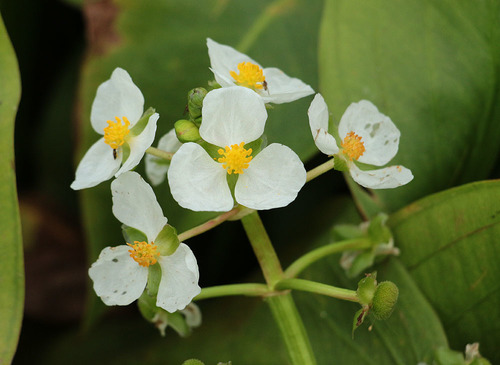
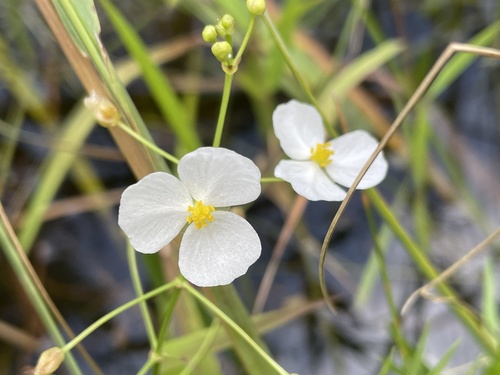
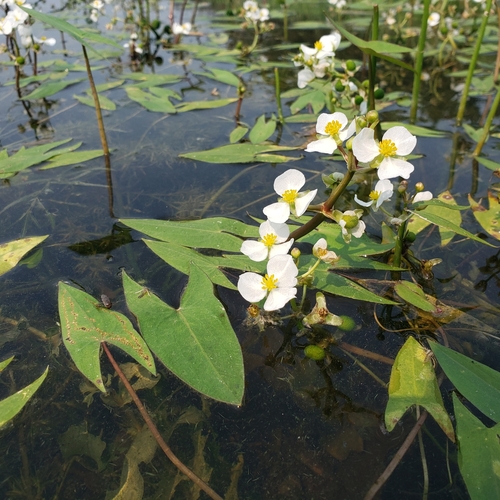
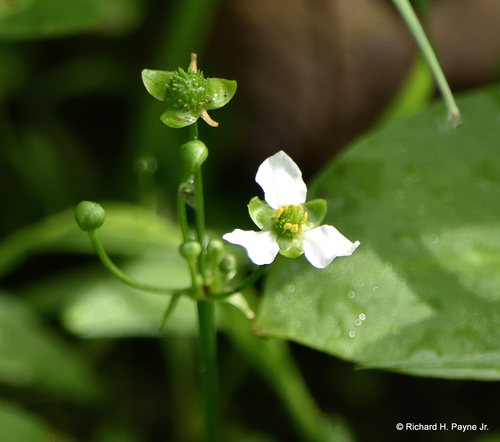
Submersed leaves of Echinodorus berteroi are often modified into phyllodes, measuring 10–45 cm long by 0.5–4 cm wide. Their shape ranges from linear to narrowly elliptical, with very variable shape and size overall. They are light green, membranously transparent, and the network between veins is often lighter or darker, giving submersed leaves a characteristic mosaic-like color pattern. Emerse leaves are long-petioled and reach 5–55 cm long total. Their blades are light green, cordate, and measure 5–12 cm long by 3–5 cm wide. In terrestrial dwarf forms, blades are ovate, truncate at the base, and smaller at 2–5 cm long by 1–2 cm wide. All blades have very clear pellucid lines that measure 1–5 mm long, and may exceptionally reach up to 11 mm long. The stem is upright, and the inflorescence is compound, with branching in lower whorls. In terrestrial forms, the stem is only 6–10 cm long. The corolla is white, about 1.5 cm in diameter, with 12 stamens. Numerous achenes form an echinate head. Nutlets are grey-brown, 2.5–3.5 mm long by 1–1.3 mm wide, broadly keeled, with 2 winged ribs alternating with 3 non-winged ribs. A single facial gland sits close to the beak, and may be indistinct or entirely absent. Mature specimens typically have between 10 and 30 leaves, most of which differ in shape and size from each other.
For cultivation, this species prefers a larger tank with a deep, rich substrate and good light. It is easy to grow, but will soon outgrow the average aquarium. It can be propagated by division. Submersed plants produce adventitious plantlets on the inflorescence, which can be separated and planted out. Emerse plants set seed, which can be planted out in shallow trays with sand and shallow warm water. Echinodorus berteroi prefers soft, rather acid water, and does not seem to thrive in hard water. It grows best in sub-tropical to tropical temperatures. In warmer regions, it will grow in and by ponds, but must be protected from frost.