About Diplolepis rosae (Linnaeus, 1758)
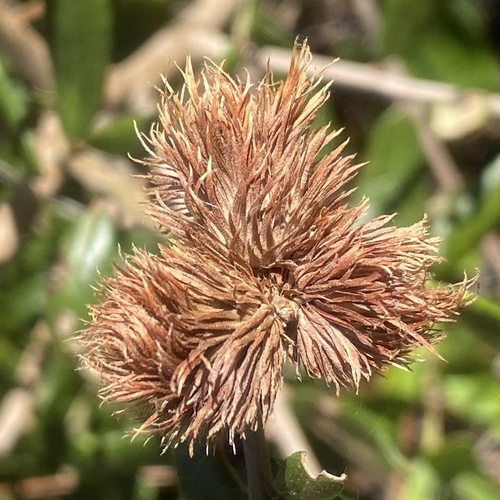
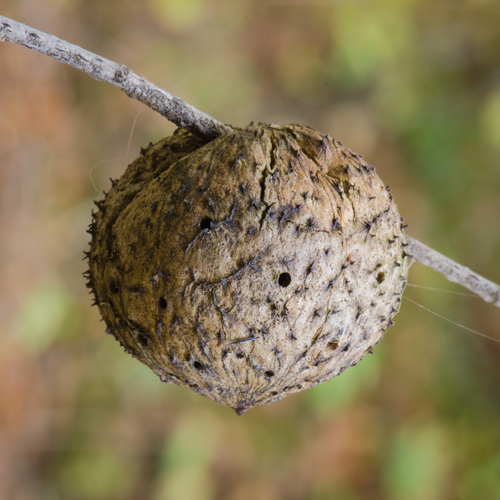
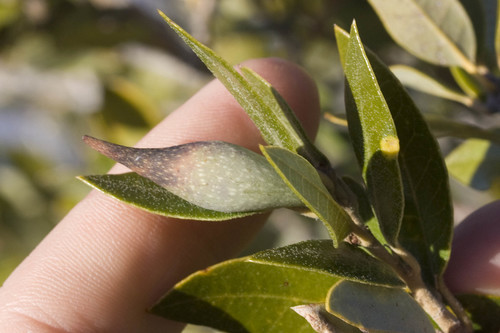
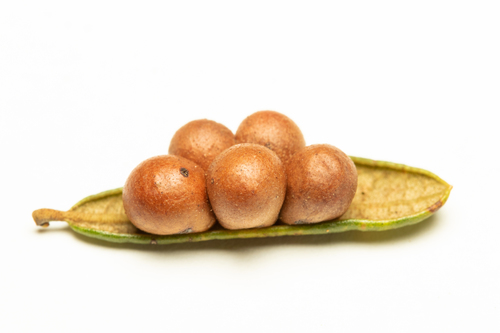
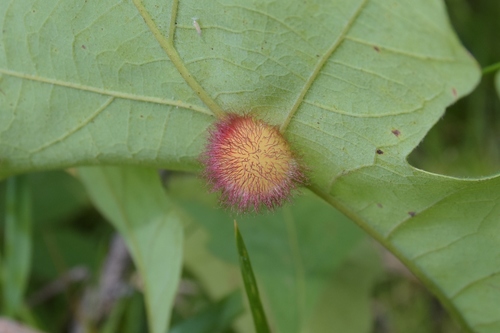
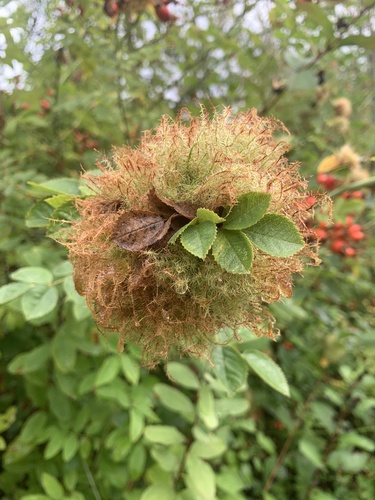
Diplolepis rosae (Linnaeus, 1758) is a species of gall wasp that induces the formation of a distinctive plant gall, which has multiple common names: rose bedeguar gall, robin's pincushion, mossy rose gall, and moss gall. This gall forms when chemical activity causes an unopened axillary leaf bud or terminal bud to become distorted, and it develops most often on shrubs of the field rose (Rosa arvensis) or dog rose (Rosa canina). The female Diplolepis rosae uses her ovipositor to lay up to 60 eggs inside a single leaf bud. Wasp grubs develop inside the gall, and adult wasps emerge in the spring. This wasp species reproduces parthenogenetically, and fewer than one percent of all individuals are males. A similar gall on roses is caused by the related species Diplolepis mayri, but this gall is far less common.