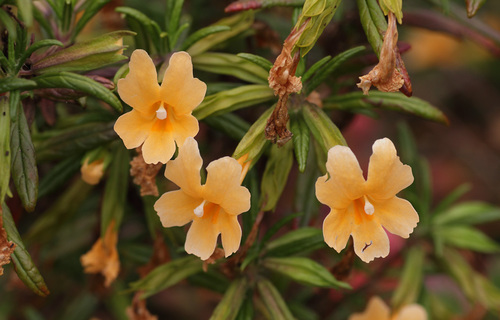
About Diplacus aurantiacus (Curtis) Jeps.
Scientific Name and Growth Form
Diplacus aurantiacus (Curtis) Jeps. is a bushy evergreen shrub that grows up to 1.2 meters (4 feet) tall.
Leaf and Stem Characteristics
It has deep green, sticky leaves that measure 3 to 7 centimeters long and up to one centimeter broad, and it produces upright vertical flowering stems.
Flower Structure
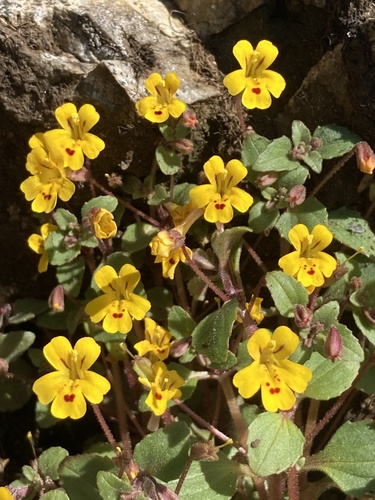
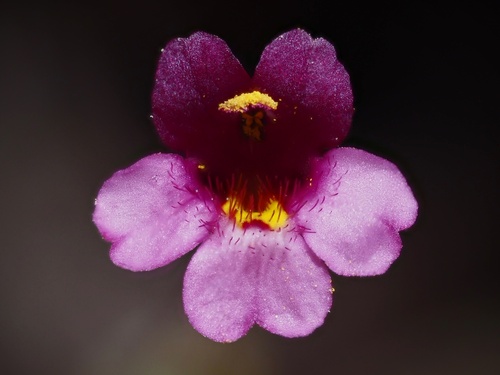
Its flowers are tubular at the base, approximately 2 centimeters long, with five broad lobes.
Flower Coloration
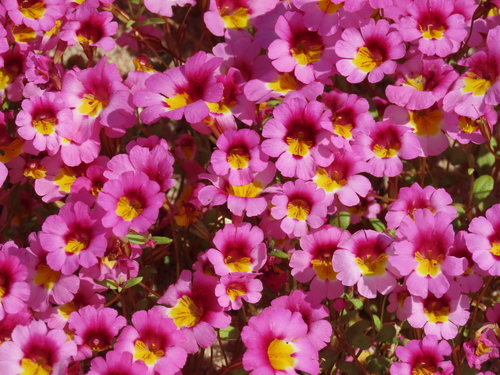
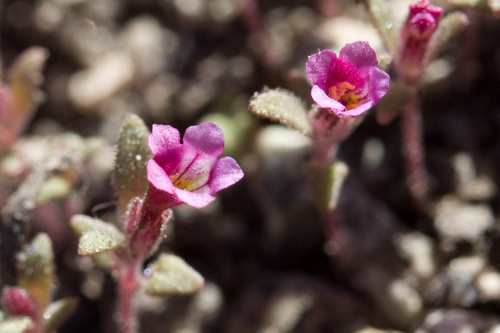
Flower colors range across shades from white to red, with light orange being the most common shade.
Pollination
It is a honey plant pollinated by both bees and hummingbirds.
Soil Tolerance
This species can grow in many climates and thrives in a wide range of soil types, including wet, dry, sandy, and rocky soils. It is even able to grow in serpentine soil, a soil type most plants struggle to thrive in due to its unusual mineral composition.
Host Plant Status
Diplacus aurantiacus is an important host plant for the larvae of the common buckeye butterfly (Junonia coenia) and the variable checkerspot (Euphydryas chalcedona), even though phenolic resin found in its leaves acts to deter larval feeding.
Leaf Resin Function
This same resin also helps the plant retain water in dry environments.
Ecological Role
Ecologically, Diplacus aurantiacus supports multiple caterpillar species including the Variable Checkerspot, as well as hummingbirds.
Cultivation Lifespan
In cultivation, this bushy evergreen shrub tends to be short-lived.
Horticultural Uses
The species and its cultivars are used in water-conserving gardens, native plant gardens, and habitat gardens.
Cultivation in Temperate Zones
In temperate zones, it is often grown under glass.
Horticultural Award
In the United Kingdom, this plant has been awarded the Royal Horticultural Society's Award of Garden Merit.
Traditional Medicinal Use
It is a documented traditional Native American medicinal plant: the Miwok and Pomo Native American groups used it to treat minor health complaints including sores, burns, diarrhea, and eye irritation.
Traditional Decorative Use
These groups also used the plant's colorful flowers for decorative purposes.