About Diospyros texana Scheele
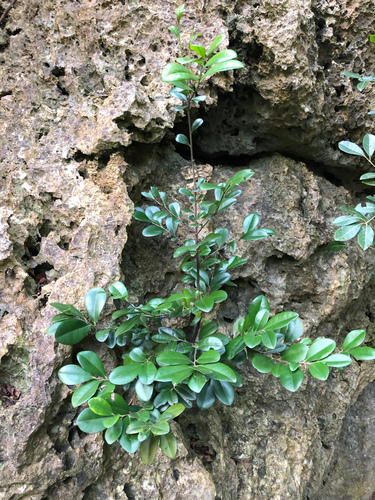
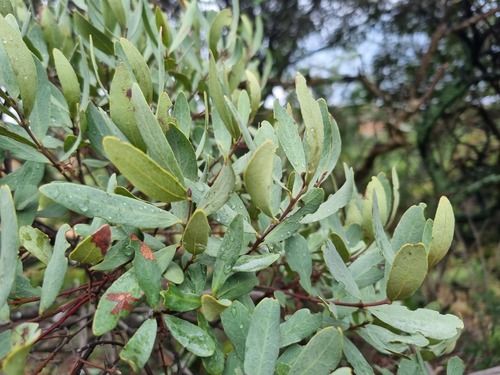
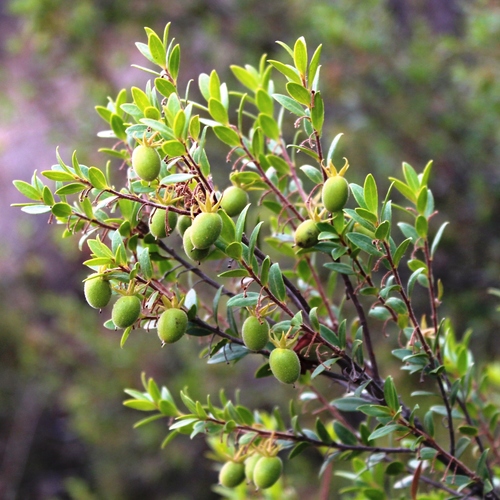
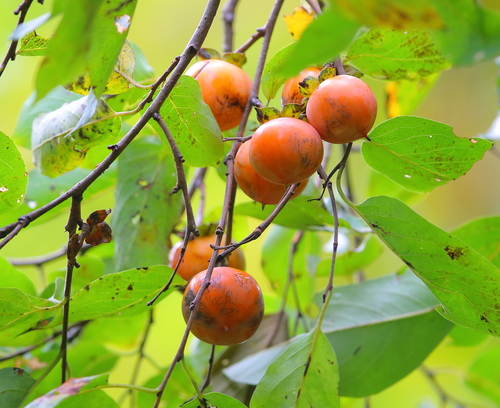
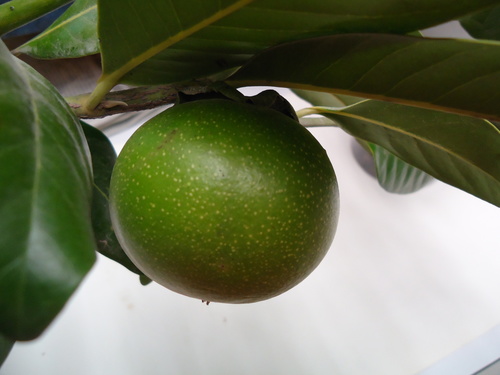
Diospyros texana Scheele, commonly called Texas persimmon, is a multi-trunked small tree or large shrub with a lifespan of 30 to 50 years. It typically grows to 3 m (9.8 ft) in height, but can reach 12 m (39 ft) when growing in the understory among larger trees. Its bark is smooth, light reddish gray, and peels away from mature trees to reveal patches of pink, white, and gray on the trunk. Texas persimmon occurs at elevations ranging from sea level to 1,800 m (5,900 ft). Its native habitats include the Edwards Plateau, the Chihuahuan Desert, the southern third of the Western Gulf coastal grasslands, the Tamaulipan mezquital, and the Tamaulipan matorral. Across its entire range, D. texana grows most commonly in riparian zones, prairie margins, and rocky slopes, and it prefers well-drained, alkaline soils. Diospyros texana acts as a host plant for the caterpillars of the grey hairstreak (Strymon melinus) and Henry's elfin (Callophrys henrici). The sapwood of Texas persimmon is clear yellow, while heartwood, which only forms in very large trees, is black ebony, similar to the heartwood of the related species Diospyros ebenum. This heartwood is hard and dense, takes a high polish, and is used to make engraving blocks, artwork, and tools. The species produces fleshy berries that are edible and sweet when fully ripe; these berries are used in puddings and custards, and they are heavily eaten by many species of birds and mammals. Unripe berries are astringent. Traditionally, Native Americans used the berries to make a black dye for animal hides, and the berries are still used for this purpose in Mexico. Due to its small size, attractive peeling bark, intricate branching structure, and drought tolerance, D. texana is widely grown as an ornamental plant.