About Diospyros sandwicensis (A.DC.) Fosberg
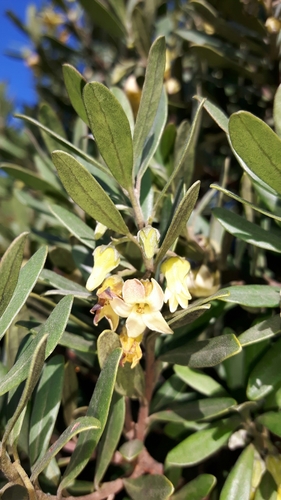
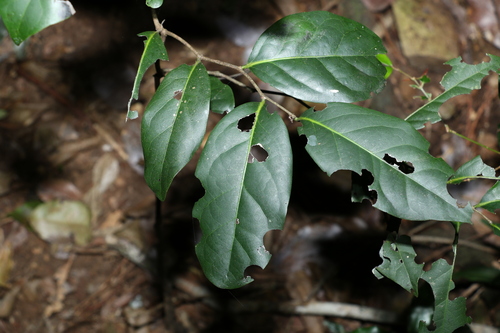
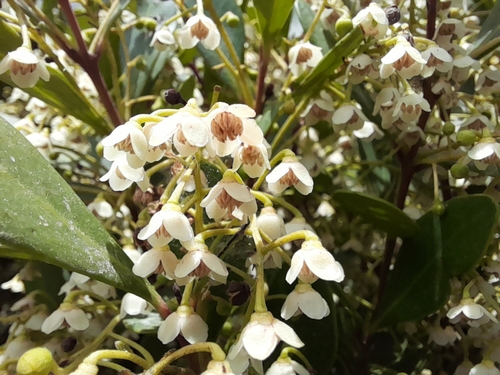
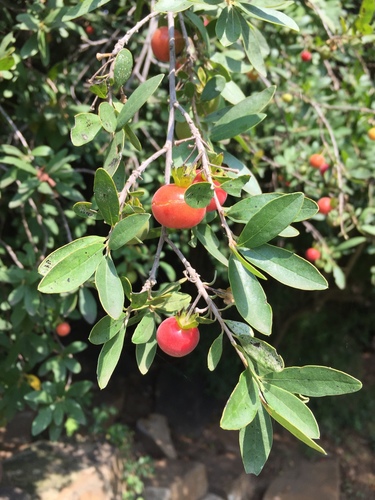
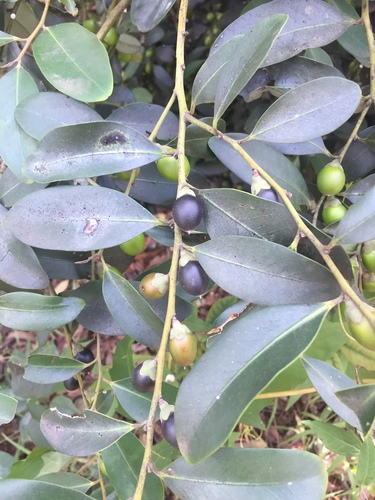
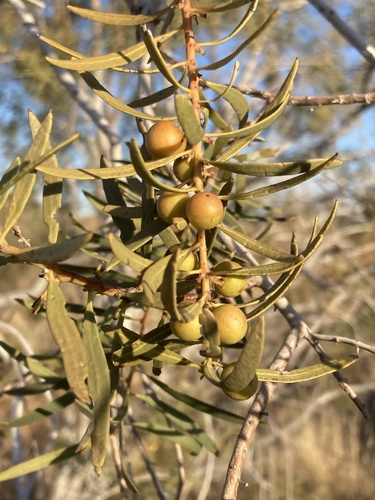
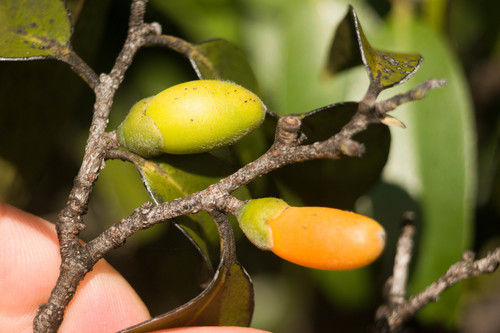
Diospyros sandwicensis is a species of flowering tree in the ebony family, Ebenaceae, that is endemic to Hawaii. It is part of the same genus that includes both persimmons and ebony. Its common name is lama, which also means enlightenment in the Hawaiian language. Lama is a small to medium-sized tree, reaching a height of 6–12 m (20–39 ft) and growing a trunk up to 0.3 m (0.98 ft) in diameter. It can grow in dry forests, coastal mesic forests, mixed mesic forests, and wet forests, at elevations ranging from 5–1,220 m (16–4,003 ft), and occurs on all of Hawaii's major islands. Together with olopua (Nestegis sandwicensis), lama is one of the dominant species in lowland dry forests on the islands of Maui, Molokaʻi, Kahoʻolawe, and Lānaʻi. The sapwood of lama is very pale white and forms a wide band inside the tree trunk. The heartwood is reddish-brown, fine-textured, straight-grained, and extremely hard. Native Hawaiians used lama wood to carve aukā, or upright supports, for use in constructing hīnaʻi, or basket fish traps. Because the white sapwood symbolized enlightenment, it had many religious uses for Native Hawaiians. The pou (posts), ʻaho (thatching sticks), and oʻa (rafters) of a special building called a hale lau lama were constructed from the tree's sapwood. A fenced enclosure made from lama sapwood is called a pā lama. A block of lama sapwood, wrapped in yellow kapa cloth and scented with ʻōlena (Curcuma longa), was placed on the kuahu (altar) inside a hālau hula, the building where hula is practiced, to represent Laka, the goddess of hula. The tree's piʻoi (berries) are edible.