About Diospyros mespiliformis Hochst. ex A.DC.
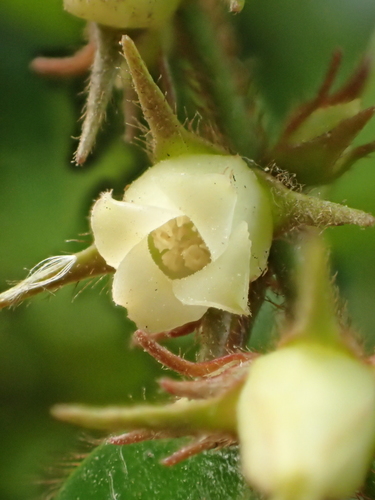
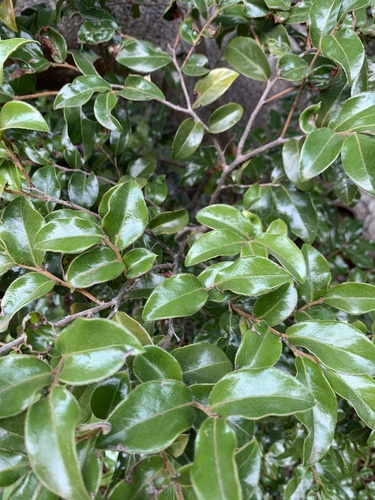
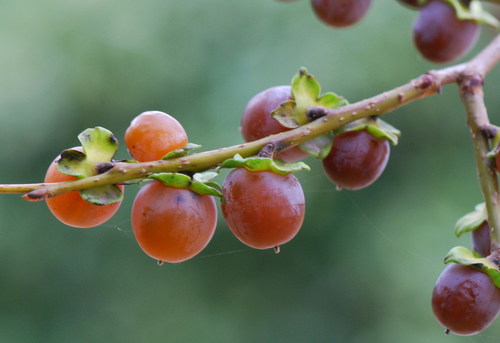
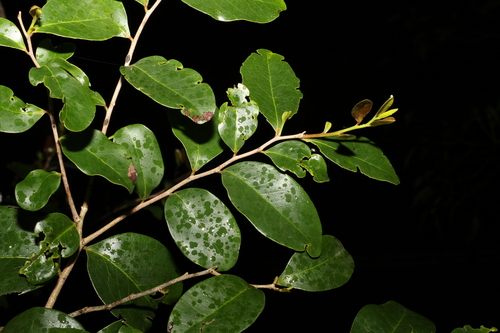
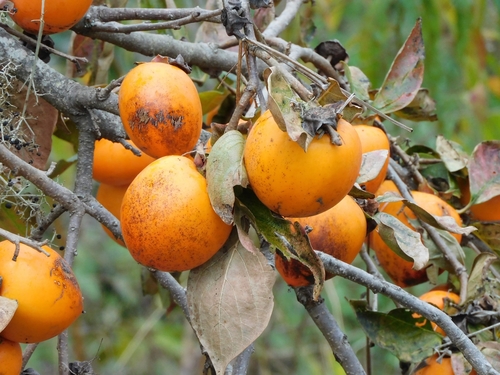
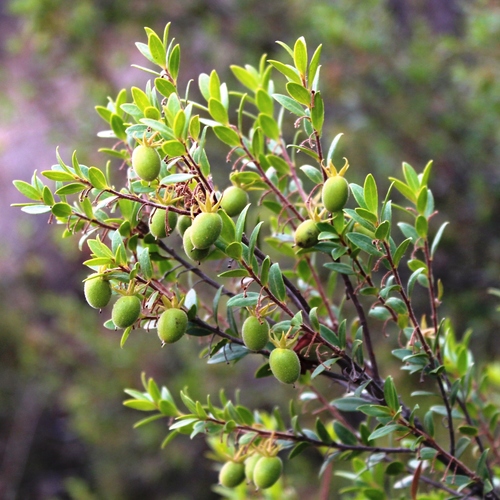
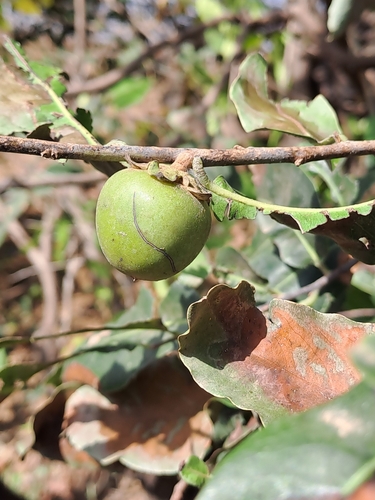
Mature Diospyros mespiliformis (jackalberry) trees have dark gray, fissured bark. Most adult trees reach an average height of 4 to 6 metres, though individual trees can occasionally grow as tall as 25 metres. This species produces dense, dark green foliage made up of elliptical leaves, which are often eaten by grazing animals including elephants and buffalo. The tree flowers during the rainy season; its flowers are imperfect, with separate genders on individual trees, and are cream-colored. Female trees bear fruit in the dry season. The ripe fruit is oval-shaped, colored yellow or purple, measures around 20–30 mm in diameter, and is eaten by many types of wild animals. The fruit stays embedded in the persistent calyx lobes after development. Similar to the marula tree, the jackalberry is favored by the Bantu people, who leave these trees growing in their cultivated lands to harvest the fruit. Diospyros mespiliformis has a wide range across Subsaharan Africa and also grows in Yemen. Jackalberry trees most often grow in riparian forests and on termite mounds, and prefer deep alluvial soils, but they are also not uncommon growing on sandy soils in savanna. This species grows in a mutualistic relationship with termites: the termites aerate the soil around the tree's roots and do not eat the living wood, and the tree provides protection for the termites in return. The jackalberry is the largest member of its Diospyros genus in the southern subtropics, and occurs as far north as the Sahara. It grows at high densities across a range that spans from subtropical to tropical regions. For medicinal use, the leaves, bark, and roots of the tree contain tannin, which can be used as a styptic to stop bleeding. Consumed roots are used to expel parasites, and are also believed to be a remedy for leprosy.