About Didymocheton spectabilis (G.Forst.) Mabb. & Holzmeyer
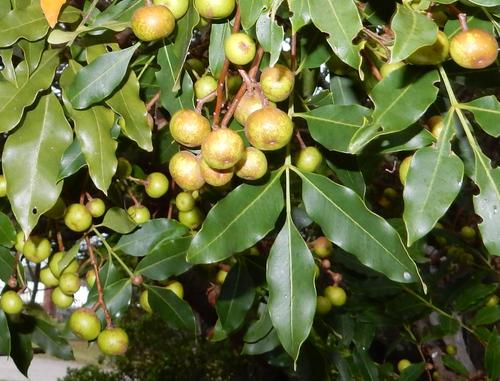
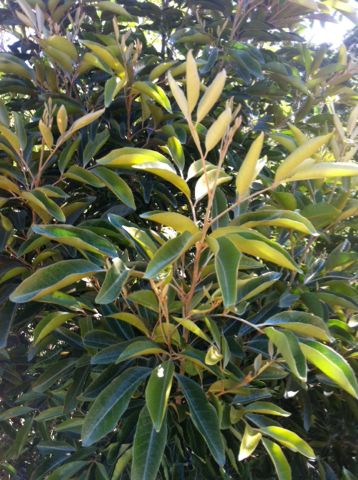
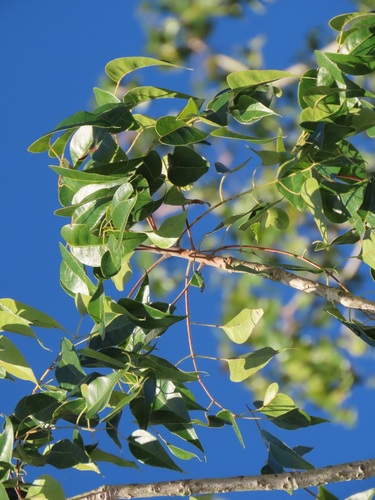
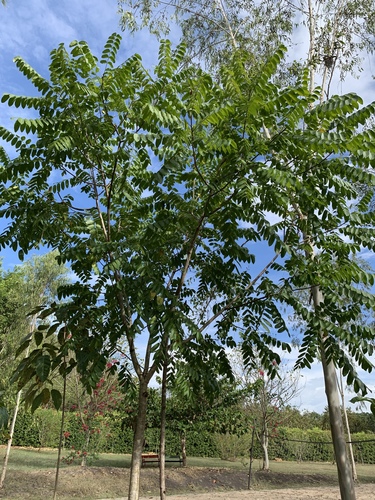
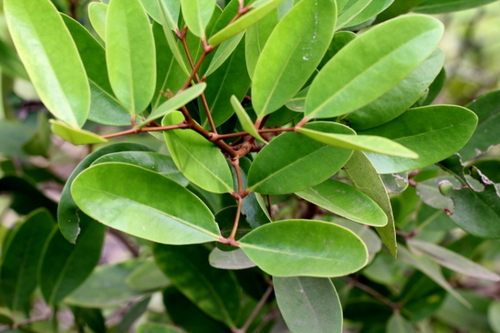
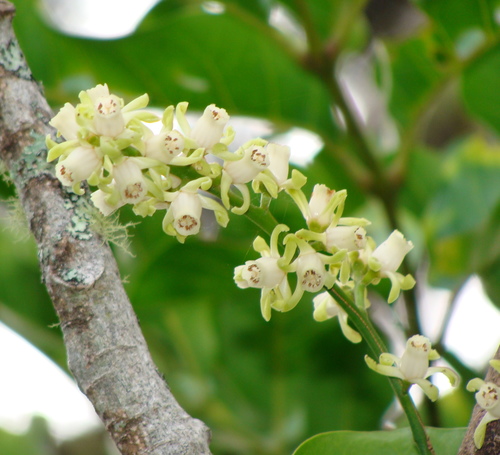
Kohekohe, scientific name Didymocheton spectabilis (G.Forst.) Mabb. & Holzmeyer, carries traits normally seen in tropical trees. A key example is cauliflory, where its flowers and fruit grow directly from the trunk or branches. It also produces large, glossy, pinnate leaves that can reach up to 40 cm (16 in) in length. Its inflorescences may grow up to 30 cm (12 in) long, and its flowers give off a strong sweet scent. The tree’s large green fruit takes roughly fifteen months to ripen. This fruit contains three or four chambers, each holding a seed wrapped in a fleshy orange aril. Kohekohe does not flower in any year when its fruit capsules are maturing, so individual trees typically flower in alternate years. Historically, kohekohe forests were common across damp coastal and lowland areas of New Zealand's North Island. Most of these forests have now disappeared, as the land was converted for human settlement or the trees were browsed by possums. Research shows that kohekohe canopies have recovered rapidly after possum control programs are put in place. Kohekohe was likely the dominant vegetation on Kapiti Island before it was cleared for cultivation and farming in the early 19th century. The kohekohe forest on Kapiti Island is now recovering following the complete eradication of possums there in 1986. Māori traditionally boiled kohekohe bark in water and drank the resulting liquid as a tonic. The tree’s wood was used to build waka, though it is soft, less durable than many other woods, and tends to rot quickly. It is valued for carving, and older trees are often hollow, making them especially useful for creating waka.