About Dendrocnide excelsa (Wedd.) Chew
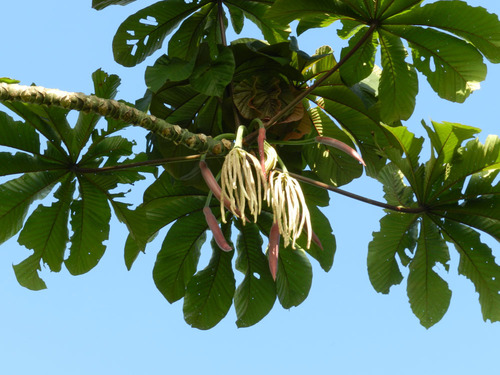
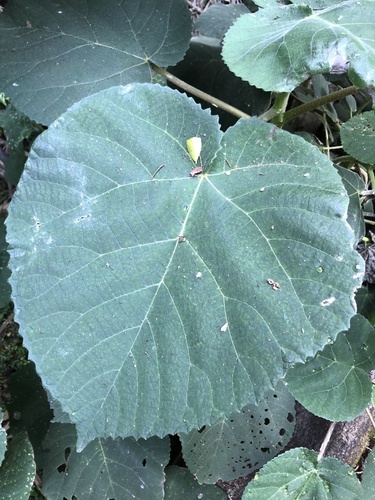
Dendrocnide excelsa is a medium to large tree with a buttressed base. It sometimes grows over 40 metres tall, and can measure over 6 metres wide at its base. Its diameter at breast height reaches up to 4.3 m (14.1 ft). The trunk may be fluted or flanged. Its outer bark is grey and smooth, with small corky markings. The trunk and buttresses have evenly curved shapes. Leaves are arranged alternately, have toothed edges, and are heart-shaped. Shade-grown leaves grow very large, exceeding 30 cm in length with a similar width, while leaves grown in the sun are smaller. All leaves are covered in stinging hairs, and are eaten by a variety of animals including insects such as chrysomelid beetles, and mammals. Flowers develop between November and April, and grow in short panicles. The fruit is a purple or blackish nut that matures between March and August. The fruit's flesh is edible, but the presence of dangerous stinging hairs means humans do not consume it. Many rainforest birds eat this fruit, including the regent bowerbird and the green catbird. Indigenous Australians used fibres from Dendrocnide excelsa to make nets and lines.