About Cynodon dactylon (L.) Pers.
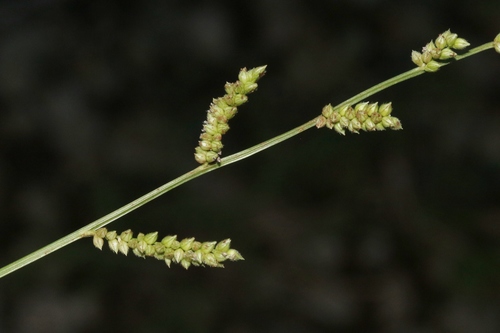
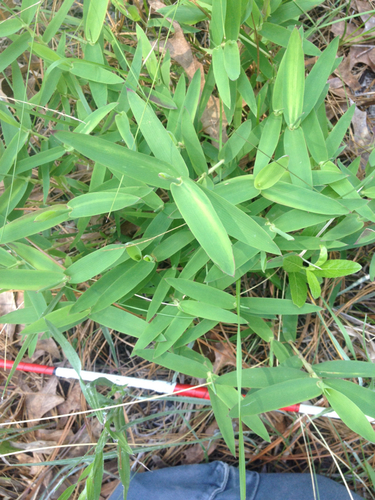
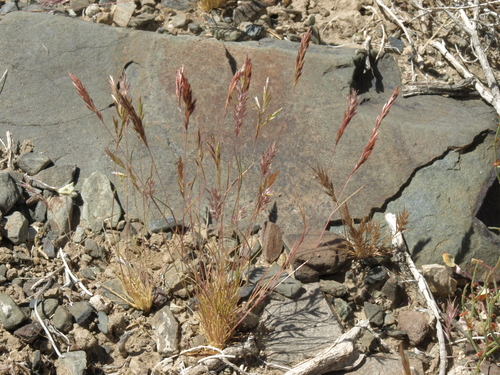
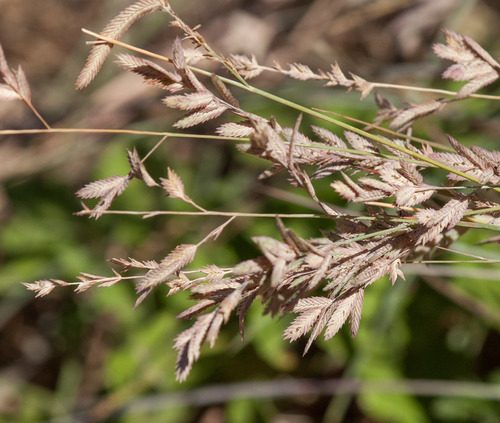
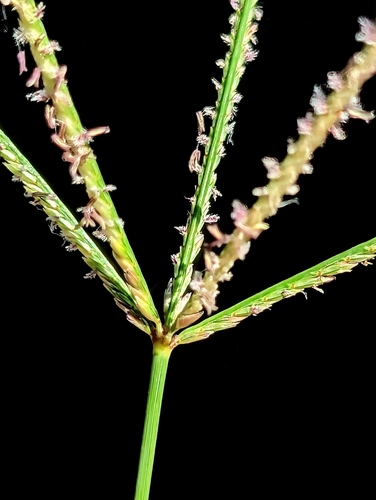
Cynodon dactylon (L.) Pers. has short, grey-green leaf blades that are typically 2–15 cm (0.79–5.91 in) long with rough edges. Its erect stems can reach 1–30 cm (0.39–11.81 in) in height, are slightly flattened in shape, most often white or green, and occasionally have a purple tinge. Seed heads grow as a cluster of 2 to 6 spikes at the top of the stem, with each individual spike measuring 2–5 cm (0.79–1.97 in) long. This species has a deep root system. When growing in penetrable soil during drought conditions, its roots can extend more than 2 metres (6.6 ft) deep, though most of its root mass lies less than 60 centimetres (24 in) below the soil surface. The grass spreads and creeps along the ground via stolons, rooting wherever a node touches the ground to form a dense mat. C. dactylon reproduces through seeds, stolons, and rhizomes. Active growth begins when temperatures rise above 15 °C (59 °F), with ideal growth occurring between 24 and 37 °C (75 and 99 °F). During winter or the dry season, the grass goes dormant and turns light brown. It develops best in areas with full sun exposure, while dense shade, especially near tree bases, typically suppresses its growth. The hybrid variety Tifton 85, like some other grasses including sorghum, produces cyanide under certain conditions, and has been linked to multiple livestock deaths. Cynodon dactylon is widely cultivated in warm climates across the world, between approximately 30° S and 30° N latitude, in regions that receive between 625 and 1,750 mm (24.6 and 68.9 in) of annual rainfall, or with lower rainfall if irrigation is provided. In the United States, for example, it is grown mostly in the southern half of the country. The rhizomes of this species are reported to act as a diuretic for humans, and grass juice from C. dactylon can act as an astringent. It has been observed that dogs may selectively eat Cynodon dactylon to quickly induce vomiting when they experience gastrointestinal problems. This effect may result from irritation caused by bristles on the leaf margin.