About Cynips quercusfolii Linnaeus, 1758
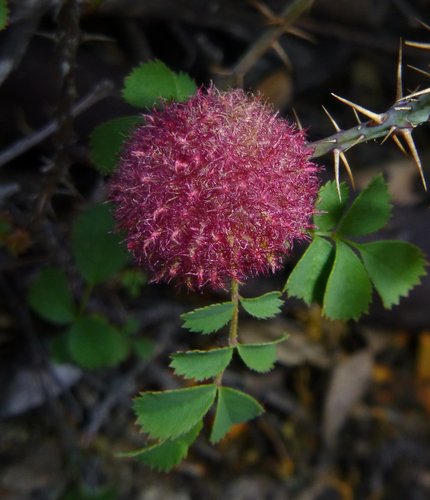
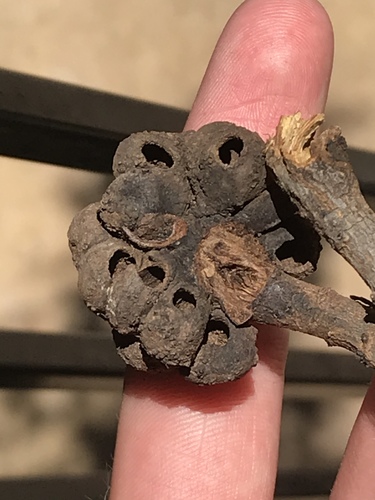
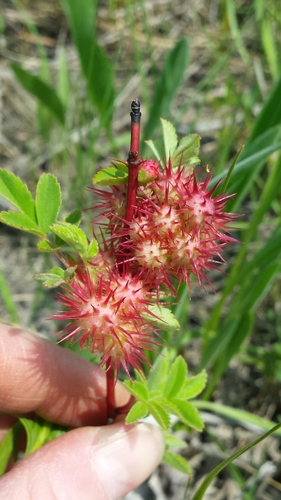
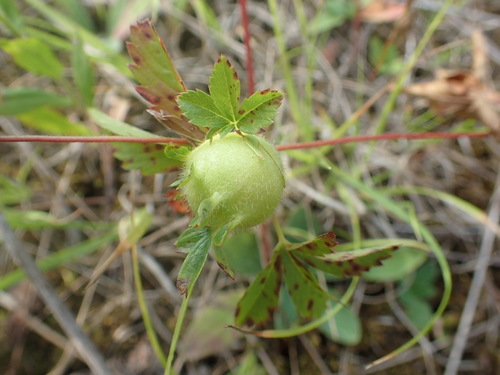
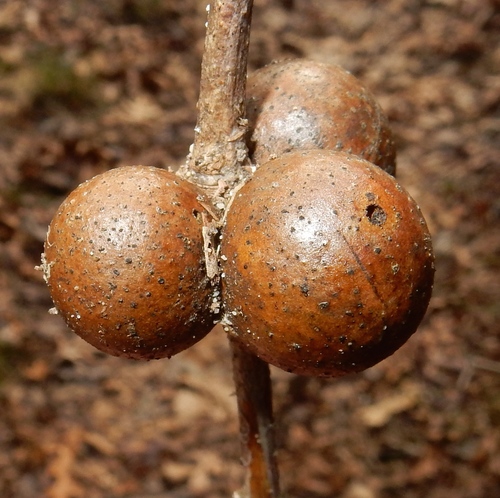
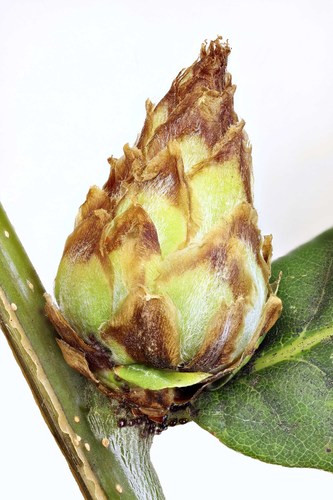
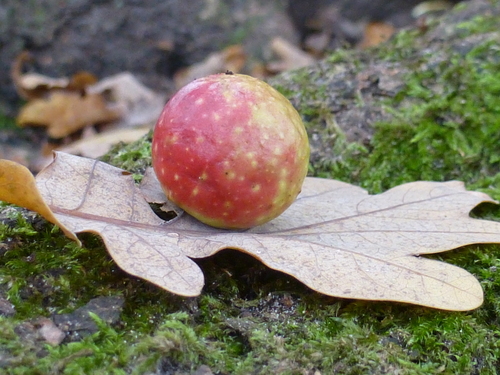
Cynips quercusfolii, commonly called the cherry gall wasp, is a species of gall wasp belonging to the genus Cynips and the family Cynipidae. This species is important for producing commercial nutgalls that form on Quercus lusitanica, also known as the gall oak. The galls produced by this wasp develop on the underside of oak leaves, and most are found on the second and third veins counting from the leaf's petiole. The cherry gall wasp has a heterogonic life cycle. In central Europe, a first generation of asexual females emerges in late autumn or winter. These females lay their eggs inside the dormant lateral buds of oak (Quercus) tree species. Known host species for this generation include Quercus lusitanica, Quercus robur, and Quercus petraea. In the following spring, small red galls grow from these inoculated buds. A second generation of both male and female wasps emerges from these small galls in early summer, most often in June. Males and females mate soon after emerging. Mated females then lay fertilized eggs into the veins on the undersides of oak leaves. Through the summer, the developing wasps grow inside the leaves, forming large single-chambered spherical galls. When autumn comes, the galls, which hold pupae or mature asexual females, drop from the trees along with the leaves. A new generation of asexual females then emerges during late autumn or winter to begin the cycle again.