About Cynanchum viminale (L.) L.
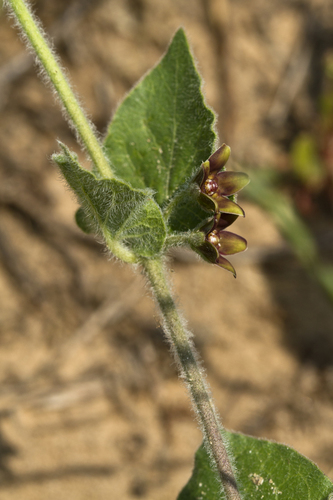
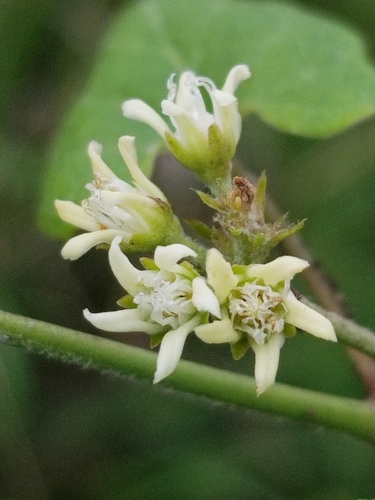
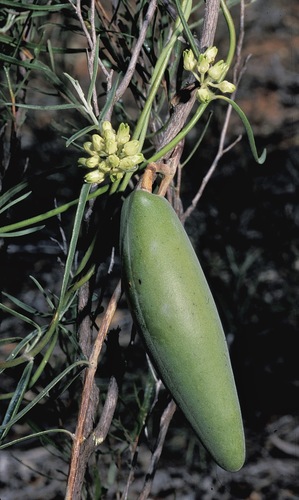
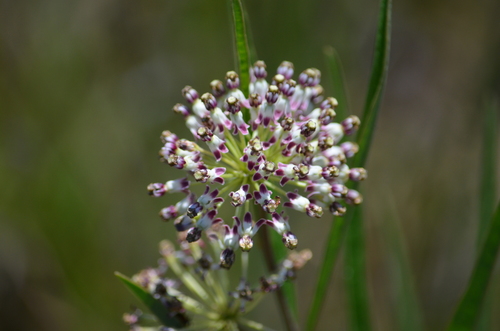
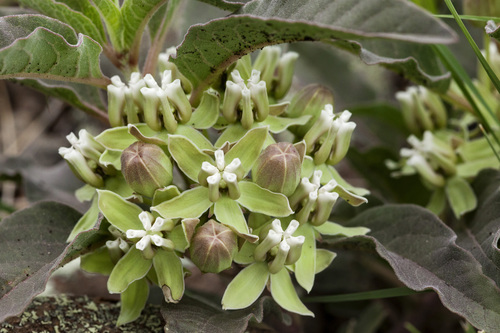
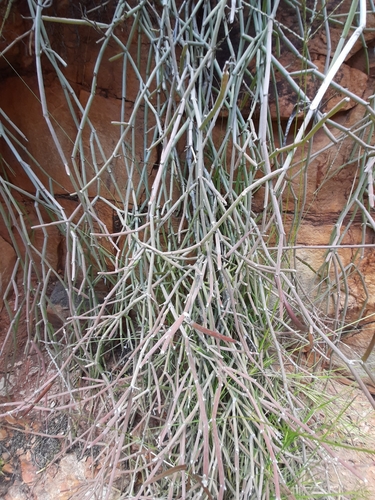
Cynanchum viminale (L.) L. is a leafless succulent species with cylindrical green photosynthetic stems. It can grow either as a shrub or a scandent vine. When broken, its stems release large quantities of milky exudate. This exudate is caustic, and can cause burns if it touches human skin. The plant bears small white flowers that grow in clusters. After flowering, it produces long pods that hold numerous seeds, each equipped with a silky plume to help with wind dispersal. This species has an extremely broad environmental range, growing from rainforest margins and monsoon forests to arid deserts. Its toxicity can vary, even within local populations. It is known to cause poisoning and death in livestock. As a food source, it is regarded as high-quality forage in Kenya. In Somalia and South Africa, humans eat its stems either raw or cooked. It has a long history of use as a traditional medicine for a wide range of conditions, including sores and wounds, smallpox, eye infections, diarrhoea, intestinal parasites, skin parasites, and insufficient milk production. All parts of the plant—its aerial parts, roots, and latex—are used for medicinal purposes. Methods of medicinal use vary: they include ingesting plant parts, drinking a plant decoction, applying sap directly to affected areas, exposing patients to smoke from burning the plant, or having patients sleep on bedding made from the plant. Care is generally required when using the plant, due to the poisonous and caustic properties of its sap. However, some local communities consider its toxicity to be low, at least for part of the year.