About Cucurbita argyrosperma K.Koch
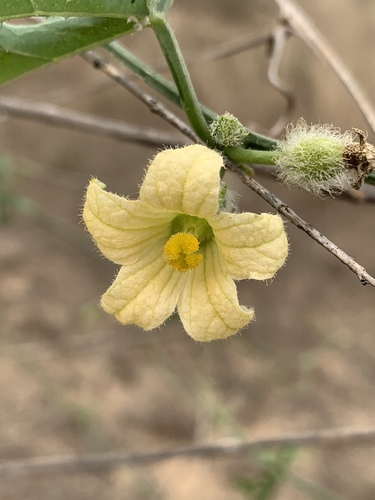
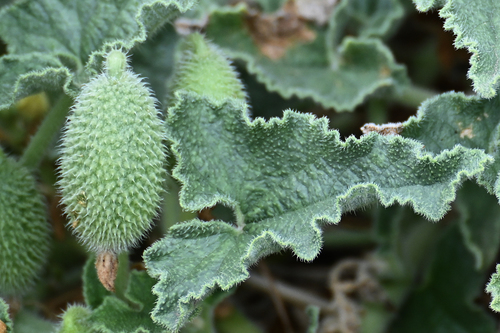
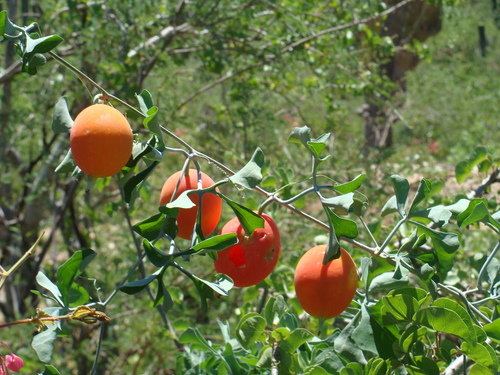
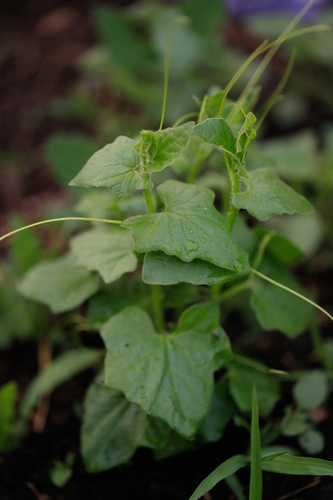
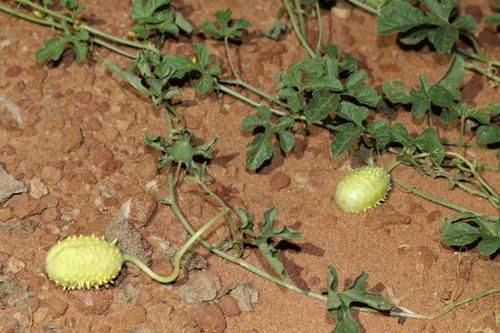
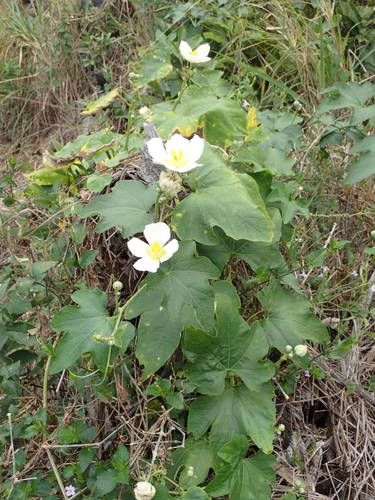
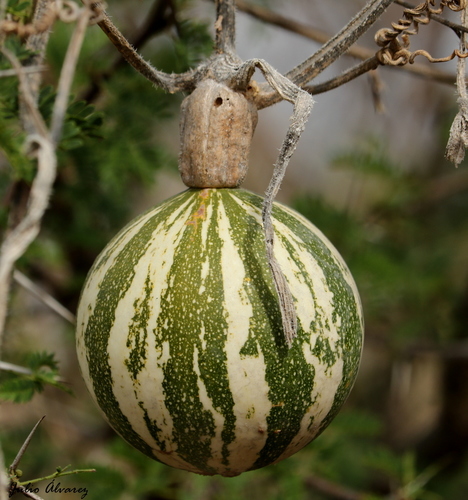
Cucurbita argyrosperma K.Koch produces orange or yellow flowers that bloom in July or August. The plant grows to about 1 foot in height, and spreads between 10 and 15 feet wide. It grows best in well-drained soil, and produces both male and female flowers. Its fruits can weigh up to 20 pounds. A 1990 interspecific hybridization experiment noted that, at that time, Cucurbita argyrosperma was often grown close to Cucurbita moschata in Guatemala and Mexico. An interspecific variety called Chay Im'um in the Mayan language is known to combine the seed quantity of Cucurbita moschata with the larger seed size of C. argyrosperma. The flowers, stems, shoots, ripe fruits, and unripe fruits of this species are all eaten as vegetables, though individual varieties are typically only used for specific purposes. In the Sonoran Desert region of the Southwestern United States and Northwestern Mexico, native peoples, especially the Tohono O'odham, grow C. argyrosperma squash; it is particularly valued when immature for use as a summer squash. In Mexico, C. argyrosperma seeds are an important food product. Some varieties have been bred to produce seeds with up to 39 percent oil content and 44 percent protein content. Seeds are eaten raw, roasted, toasted, or ground. Cucurbita seeds, and C. argyrosperma seeds in particular, are an important ingredient in traditional sauce recipes. The seeds of wild bitter gourds of this species are eaten after processing to reduce toxic cucurbitacin. In the Mexican states of Colima and Jalisco, bitter C. argyrosperma gourds are known in Spanish as calabacilla, and also by several Nahuatl-language names: agualaxtle, aguachichi, aguichichi, tolonchi, tololonche, and tolenche. In Colima and Jalisco, seeds from wild gourds are ground to make a beverage called agua fresca, which is claimed to have a purifying effect. In Guerrero and Michoacán, wild C. argyrosperma gourds are called chamaco, calabacilla, calabaza de coyote (or coyote), and chicayota, the last of which comes from Nahuatl. In Jalisco, the fruit pulp is used as a remedy for mange, while the seeds are used to treat liver and kidney diseases. People in the Yucatán have traditionally used the flesh of Cucurbita argyrosperma to treat burns, sores, and eczema; the seeds are used to promote lactation in nursing women and provide pain relief. Use of wild C. argyrosperma to treat acne has also been recorded in Chiapas. In Oaxaca, a Spanish name for the wild gourds of this species is calabaza amarga, meaning bitter gourd. Other terms used in this area include the Nahuatl tecomachichi, and the Zapotec guedu laac. Wild fruits have been used in Oaxaca to heal wounds. Cucurbita argyrosperma subsp. argyrosperma, which includes all domesticated cushaw taxa, is adapted to warm climates and is most commonly cultivated at low elevations. The maximum elevation where this subspecies is grown is approximately 1,800 m above sea level. In Mexico, the state of Campeche leads national production of Cucurbita argyrosperma. A study of conventional C. argyrosperma cultivation technology in Campeche found that some industrialized farming technologies common elsewhere, such as irrigation, are not productive in this context. Chemical treatments are the most common agricultural technology used in these growing areas.