About Cucumis sativus L.
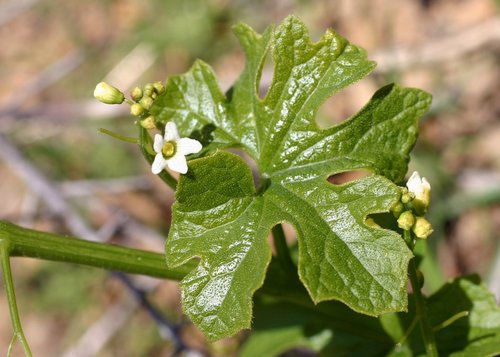
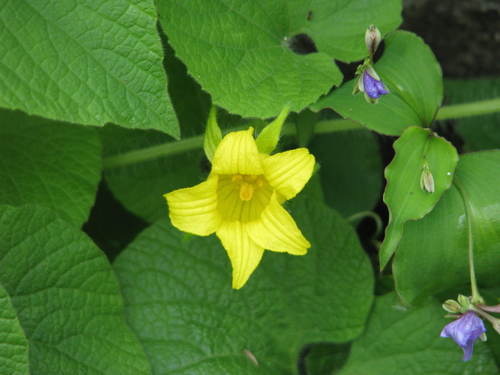
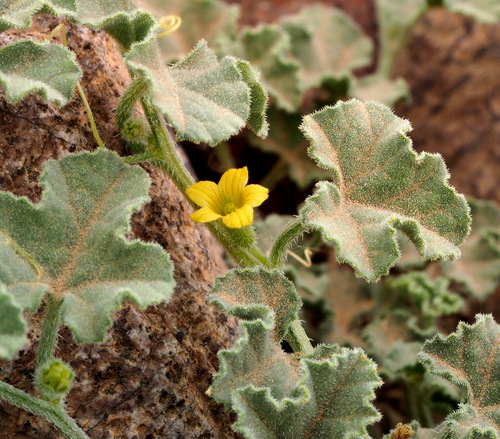
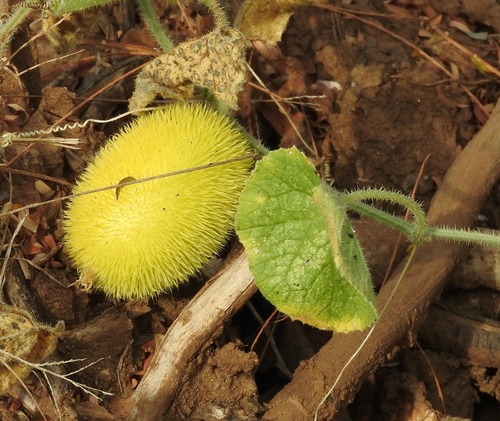
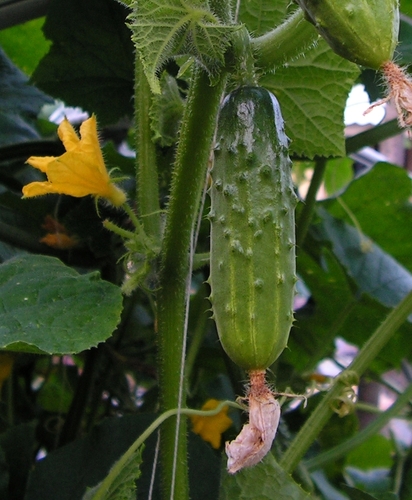
Cucumis sativus L., commonly known as cucumber, is a creeping vine that typically roots in the ground and climbs trellises or other supporting frames by wrapping around supports with thin, spiraling tendrils. It can also root in a soilless medium and sprawl across the ground instead of using a supporting structure. The vine produces large leaves that form a canopy over developing fruits. The fruit of most common cucumber cultivars is roughly cylindrical, elongated with tapered ends, and can reach up to 62 centimeters (24 inches) long and 10 centimeters (4 inches) in diameter. By weight, cucumber fruits are 95% water. Botanically, cucumber is classified as a pepo, a type of botanical berry with an outer rind and internal seeds, while in culinary practice it is treated as a vegetable. Most cucumber cultivars are seeded and require pollination. Thousands of honey beehives are transported to cucumber fields annually just before bloom to support this process, and pollination can also be carried out by bumblebees and several other bee species. Most pollination-dependent cucumbers are self-incompatible, meaning they require pollen from a separate individual plant to produce seeds and fruit. Some self-compatible cultivars exist, and these are related to the 'Lemon cucumber' cultivar. A small number of cucumber cultivars are parthenocarpic, which means their blossoms develop seedless fruit without pollination. This trait reduces the eating quality of these cultivars. In the United States, parthenocarpic cucumbers are most often grown in greenhouses where bees are excluded, while in some European regions they are grown outdoors with bees similarly excluded. Traditional cucumber cultivars produce male flowers first, followed by female flowers, in roughly equal numbers. Newer gynoecious hybrid cultivars produce almost entirely female blossoms. These hybrids may have a pollenizer cultivar interplanted among them, and growers increase the number of beehives per unit area, but temperature changes can trigger the development of male flowers even on these gynoecious plants, and these male flowers are often sufficient to complete pollination. In 2009, an international team of researchers announced they had completed sequencing the cucumber genome. A follow-up study of genetic recombination during meiosis in cucumber produced a high-resolution map of meiotic DNA double strand-breaks and genetic crossovers. Cucumber has been cultivated for at least 3,000 years. Cultivated Cucumis sativus was domesticated in India from the wild subspecies C. sativus var. hardwickii, where a wide range of varieties have been documented alongside its closest living relative, Cucumis hystrix. There are three main cultivar groups of cucumber: Eurasian cucumbers, which are slicing cucumbers eaten raw when immature; East Asian cucumbers, which are pickling cucumbers; and Xishuangbanna cucumbers. Based on demographic modeling, East Asian C. sativus cultivars diverged from Indian cultivars approximately 2,500 years ago. Cucumber was likely introduced to Europe by the ancient Greeks or Romans. Historical records of cucumber cultivation date to 9th century France, 14th century England, and mid-16th century North America.