About Cryptotaenia japonica Hassk.
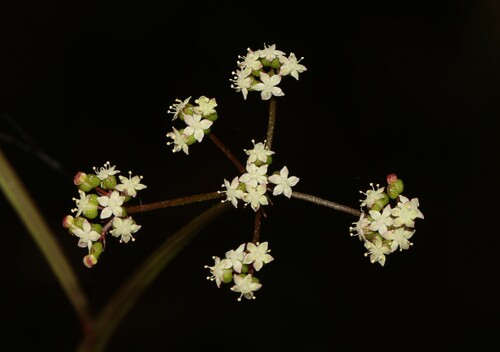
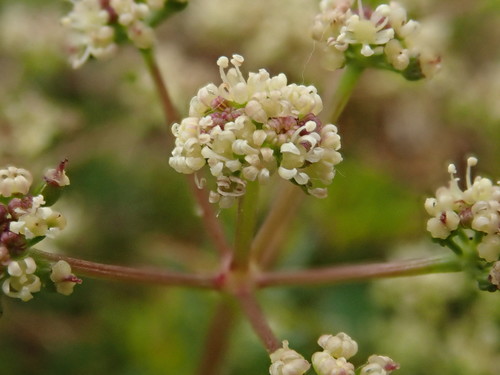
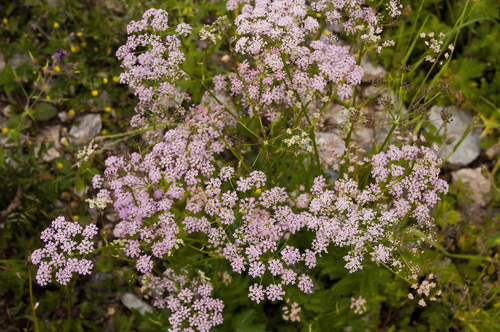
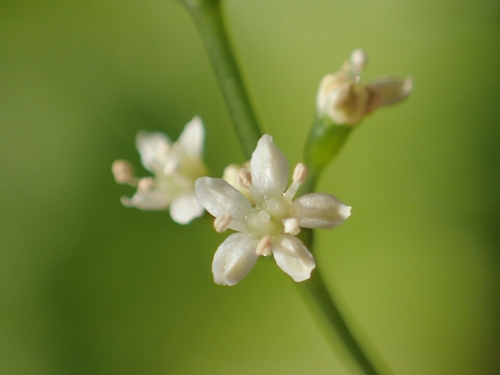
Cryptotaenia japonica Hassk. grows 30–100 centimetres (12–39 inches) tall. It has short lateral roots, and petiolate leaves that are triangular or ovate, serrated, and vaguely resemble parsley. It produces white compound umbel flowers in April or May, and develops schizocarp fruits from June to October. It prefers moist, shady habitats, and can be found growing on roadsides, in ditches, and in damp forest areas, where it can grow as a weed. This species has both culinary and traditional medicinal uses. It is cultivated as a seasoning, similar to angelica. Its flavor is clean and refreshing like parsley, with a slightly bitter taste that some people describe as celery-like. The sprouts are used in salads and soup. In Japan, it is commonly used as a garnish for soups and entrees, or as an ingredient in sushi. Tender young white stems are blanched, and have a flavor similar to coriander. There are two main regional cultivated varieties: the green Kansai type, and the white Kantō type. The dark green leaves, stems, and pods of Mitsuba (the common name for Cryptotaenia japonica) have a broad nutritional profile, including high levels of calcium and vitamin C.