About Croton dioicus Cav.
Classification and Native Range
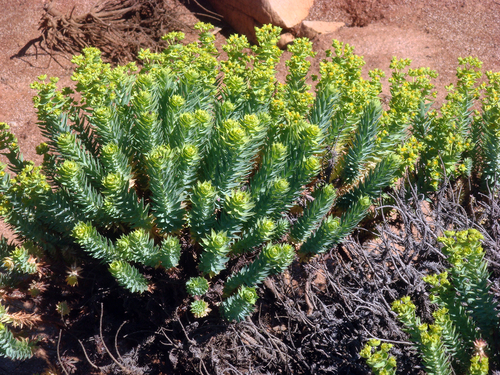
Croton dioicus, commonly known as the spurge nettle or hogwort, is a species of flowering plant in the family Euphorbiaceae. Native to North America, it thrives in a variety of habitats, including forests, fields, and wetlands.
Size and Foliage
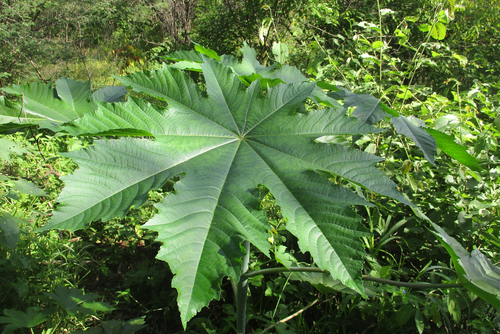
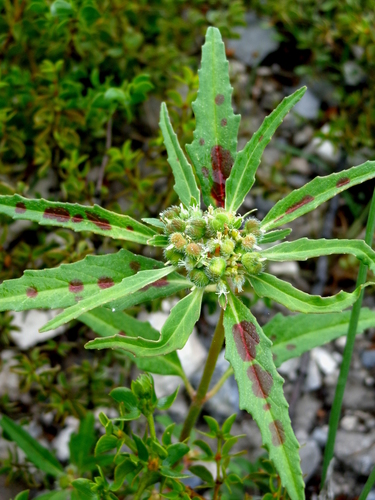
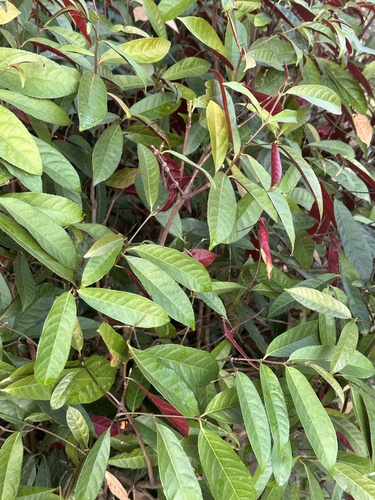
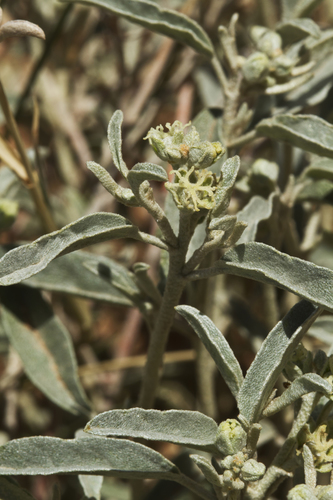
The plant can grow up to 2 meters tall and features green leaves with serrated edges that are arranged alternately on the stem.
Flower Characteristics
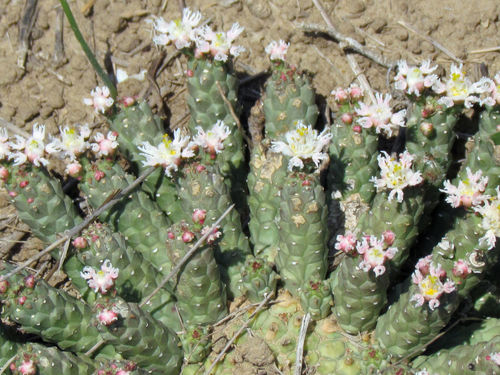
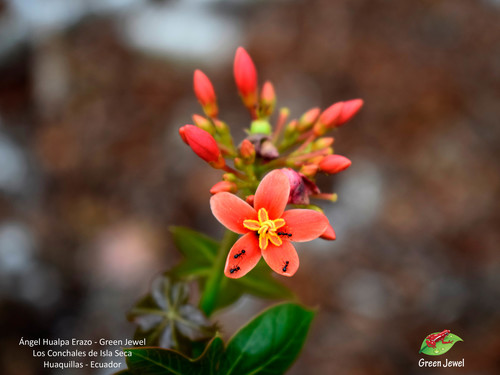
The flowers of Croton dioicus are small and greenish-yellow, blooming from May to August. They are pollinated by insects such as bees.
Fruit Traits
The plant produces a fruit in the form of a capsule, which contains three seeds.
Traditional Indigenous Use
For centuries, Native Americans have utilized Croton dioicus for medicinal purposes, employing it to treat ailments like fever, coughs, colds, diarrhea, and skin irritations.
Toxic and Medicinal Properties
While the spurge nettle contains toxic compounds that can cause skin irritation or allergic reactions when touched or ingested by humans or animals, it also possesses potential medicinal properties. Recent studies have focused on its anti-inflammatory effects.
Summary
In summary, Croton dioicus is a fascinating species with both toxic properties and the potential for health benefits, provided it is used correctly under medical supervision.