About Croton alabamensis E.A.Sm. ex Chapm.
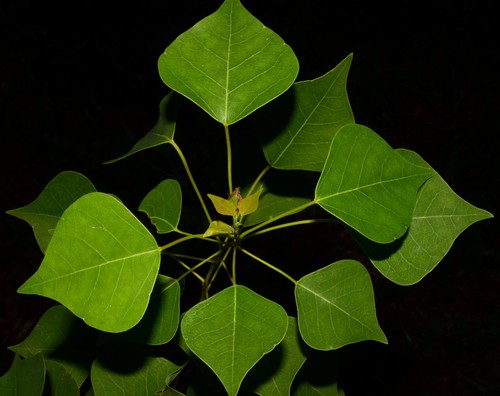
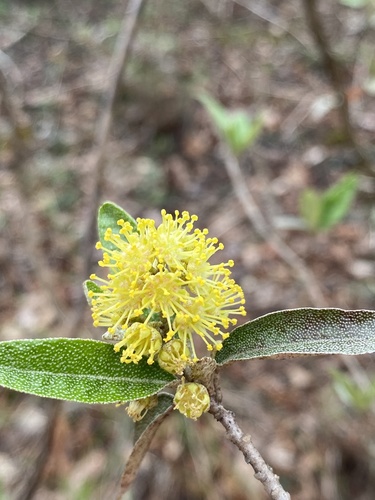
Scientific name: Croton alabamensis E.A.Sm. ex Chapm. Description: Alabama croton is a semi-evergreen, monoecious shrub that grows between 5 and 35 decimeters in height. The loose, multi-stemmed thickets it forms are commonly called "privet brakes". It is the northernmost shrubby species of the genus Croton in North America, and the largest species of Euphorbiaceae native to North America. Habitat and range: Both varieties of the species grow on a plateau or in foothills bordering the Atlantic Plain, found on limestone, shale, or dolomitic outcrops and their adjacent outwashes. Cultivation: Alabama croton is grown as an ornamental plant valued for its form, foliage, drought tolerance, low maintenance needs, and herbivore resistance. While it normally forms loose clonal colonies, it can be trained to grow as a single-trunked, dense shrub. It is hardy to USDA Hardiness Zone 6a, and can be propagated through layering, cuttings, and stratified seeds. Cultivated specimens are held at Mt. Cuba Center in Hockessin, Delaware; University of Alabama Arboretum in Tuscaloosa, Alabama; Donald E. Davis Arboretum at Auburn University in Auburn, Alabama; Scott Arboretum at Swarthmore College in Swarthmore, Pennsylvania; Birmingham Botanical Gardens; JC Raulston Arboretum at North Carolina State University in Raleigh, North Carolina; Brooklyn Botanic Garden; Jenkins Arboretum in Devon, Pennsylvania; Texas Discovery Gardens in Dallas, Texas; Lady Bird Johnson Wildflower Center in Austin, Texas; Atlanta Botanical Garden; Sarah P. Duke Gardens at Duke University in Durham, North Carolina; and Cheekwood Botanical Garden and Museum of Art in Nashville, Tennessee.