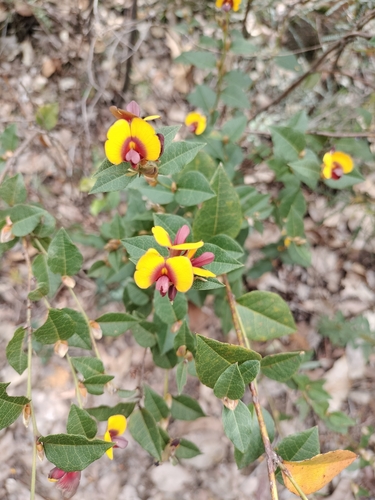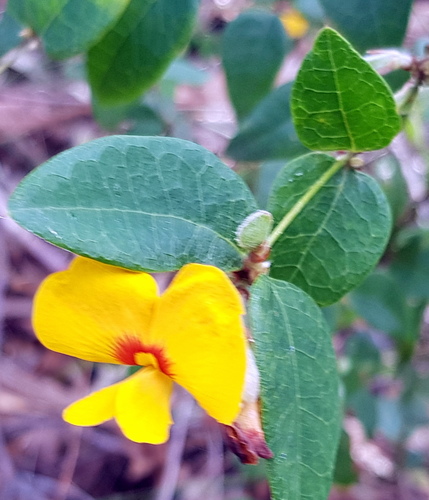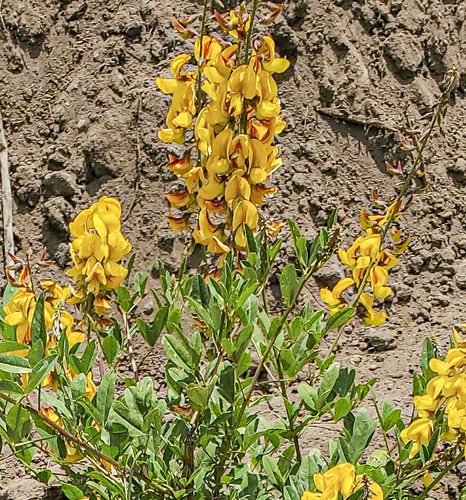
About Crotalaria longirostrata Hook. & Arn.
Common Name and Culinary Use Range
Chipilín, the common name for Crotalaria longirostrata Hook. & Arn., has leaves that are widely used as a leafy vegetable in local cuisines of southern Mexico—including the states of Chiapas, Oaxaca, and Tabasco—and Central America, especially El Salvador, Honduras, and Guatemala.
Leaf Nutrient Content
Its leaves are high in iron, calcium, magnesium, and beta carotene.
Leaf Preparation Methods
Chipilín leaves can be prepared in several ways: boiled and served while green, dried for use as an herb, or added to tamale doughs to add both color and flavor.
Pod Dehiscence and Seed Dispersal
When the plant’s pods dry, they dehisce, or split open, and spread the plant’s seeds across a wide area.
Invasive Species Reputation Basis
This seed dispersal trait, paired with the fact that animals do not eat the plant, has given chipilín a reputation as an invasive plant.
Continental US Regulatory Status
In the continental United States, chipilín is officially classified as a noxious weed; this classification may stem from the toxicity of other Crotalaria genus members to cattle.
Australian Import Restriction
Australia bans the importation of any chipilín seeds or plants.
Introduced Population in Hawaii
Introduced populations of chipilín are established on the Hawaiian island of Maui.