About Crataegus laevigata (Poir.) DC.
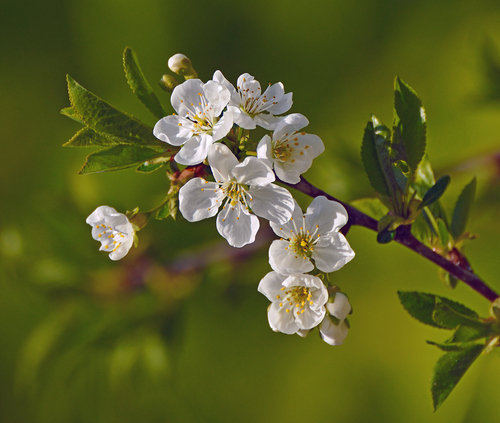
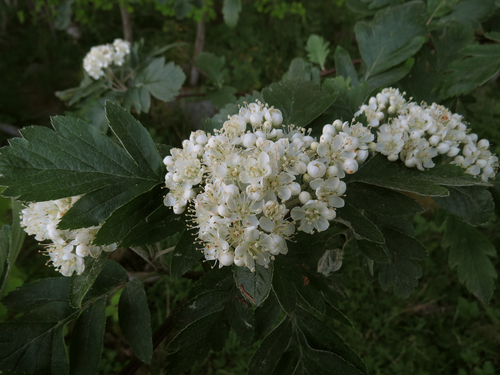
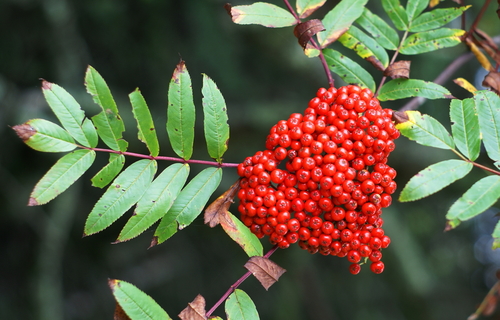
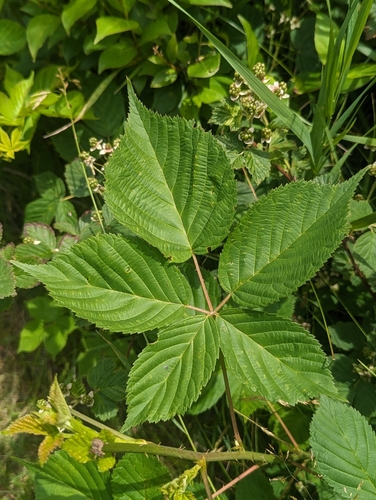
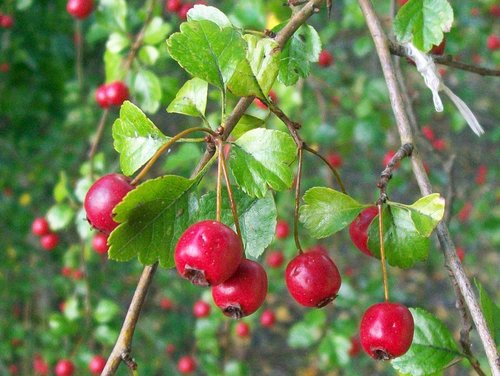
Crataegus laevigata (Poir.) DC., commonly called Midland hawthorn, is a large shrub or small tree. It most often reaches 8 m (26 ft) tall, and rarely grows up to 12 m (39 ft) tall, with a dense crown. Its leaves measure 2–6 cm (0.79–2.4 in) long and 2–5 cm (0.79–2.0 in) broad, with two or three shallow, forward-pointing lobes on each side, and lack hair tufts in the vein axils. This species produces hermaphrodite flowers, which are borne in rather lax corymbs of 6 to 12. Flowering occurs from May to June in the UK. Each flower has five white or pale pink petals; petals may be slightly velvety on the inside, and blooms can be up to 2.4 cm in diameter. Each flower also has five obtuse triangular sepals, more than 20 stamens, and two or sometimes three styles and stigmas. The flowers are pollinated by insects. The fruit is a dark red pome 6–10 mm (0.2–0.4 in) in diameter, slightly broader than long and slightly oval, that contains two or three nutlets. On average, the fruit of this species persists for 64.4 days, bears 2.8 seeds per fruit, and is 77.4% water by weight. In its dry fruit weight, 11.1% is carbohydrates and 1.4% is lipids. Midland hawthorn is easily distinguished from its close relative common hawthorn (Crataegus monogyna): C. laevigata has only shallowly lobed, forward-pointed leaves with no hair tufts in vein axils, and flowers have more than one style. Because each style produces one seed, C. laevigata fruits have multiple seeds and are slightly oval, while C. monogyna produces single-seeded, round fruits. Midland hawthorn hybridises with C. monogyna to form the hybrid Crataegus × media.