About Crassula alata (Viv.) A.Berger
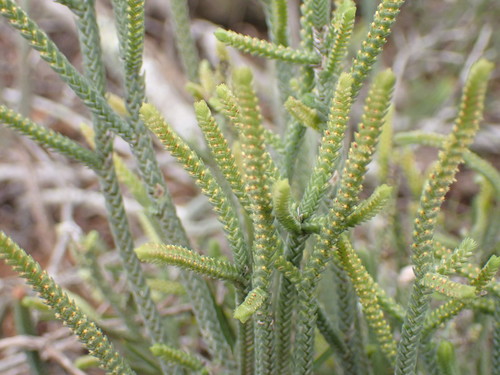
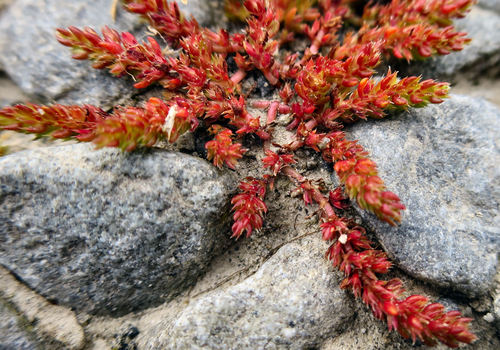
Crassula alata is a herb belonging to the family Crassulaceae. It is native to the Mediterranean basin, and is currently also found in southern Australia and New Zealand. This succulent annual herb usually grows up to 5 centimetres (2.0 inches) in height. It produces white flowers during spring, which falls between August and October in the Southern Hemisphere. The species was first formally published under the name Crassula alata by botanist Alwin Berger in 1930, as part of Engler & Prantl's work Die Naturlichen Pflanzenfamilien. Known synonyms for this species are: Crassula tillaea, described by L.V. Lester-Garland in 1803 in A flora of the island of Jersey; Tillaea alata, described by Viviani in 1830 in Plantarum aegyptiarum; and Crassula tripartita, described by N.A. Wakefield in 1957 in Flora of Victoria: new species and other additions, published in The Victorian Naturalist. It is an alien species to Western Australia, but has become naturalised across many areas. The plant is commonly found in lawns, and in and around carparks in Western Australia's South West, Peel and Wheatbelt regions. It also occurs in other Australian states, including coastal areas of South Australia and Victoria.