About Cranioleuca obsoleta (Reichenbach, 1853)
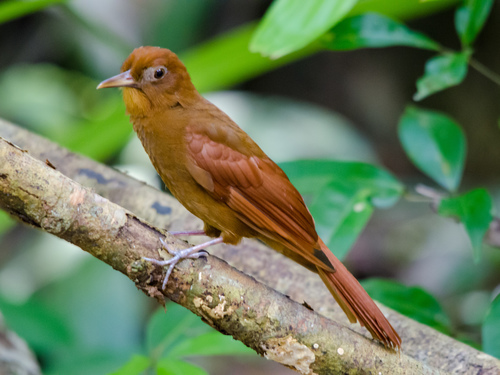
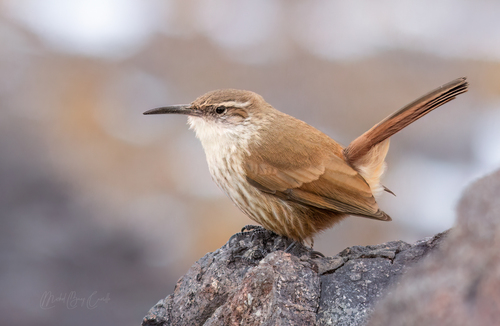
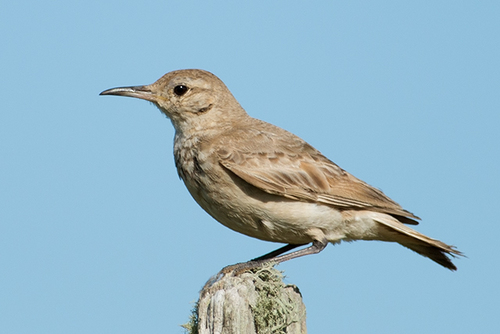
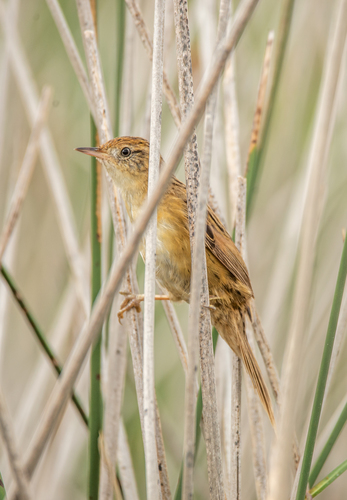
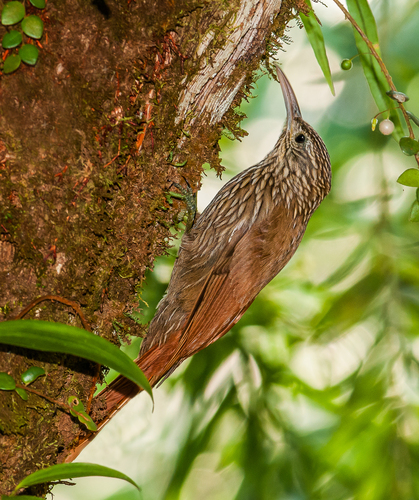
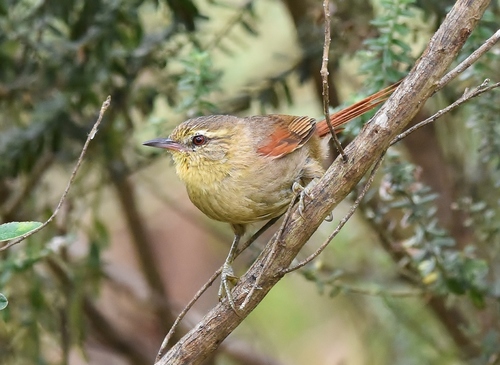
The olive spinetail (scientific name Cranioleuca obsoleta (Reichenbach, 1853)) measures 12.5 to 15 cm (4.9 to 5.9 in) long and weighs 12 to 16 g (0.42 to 0.56 oz). It is a smallish, short-billed species belonging to the genus Cranioleuca. Males and females have identical plumage. Adults have a whitish supercilium, a dull brown band behind the eye, buff and brown streaky ear coverts, and a plain buff malar area. Their forehead shows brown and buff streaking, their crown is dull brownish olive, and their back and rump are a slightly richer brown. Their tail is chestnut-rufous; the tail feathers are graduated and lack barbs at the tip, giving the tail a spiky appearance. Their wing coverts are dark chestnut-rufous, their primary coverts are dark brown, and their flight feathers are warm brown. Their throat is whitish, their breast is buffy brownish, their belly is pale olive-buff, and their flanks and undertail coverts are somewhat darker. Their iris color is variable, their maxilla is black to dark brownish, their mandible is pinkish, bluish gray, or whitish with a dark tip, and their legs and feet are grayish olive to olive-green. Juveniles have darker upperparts than adults, with variable scaling on the breast. The olive spinetail is distributed from southern São Paulo state in southeastern Brazil southward through eastern Paraguay into northeastern Argentina, reaching as far as northern Corrientes Province. It inhabits humid primary and secondary forest, as well as woodlands dominated by Araucaria. Its elevation range extends from near sea level to 1,000 m (3,300 ft).