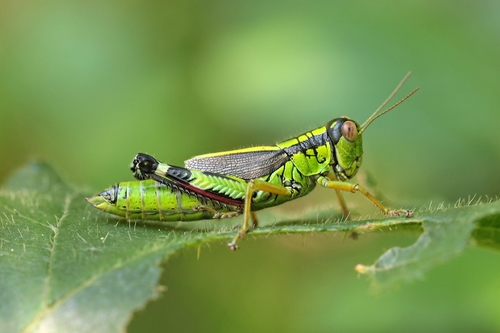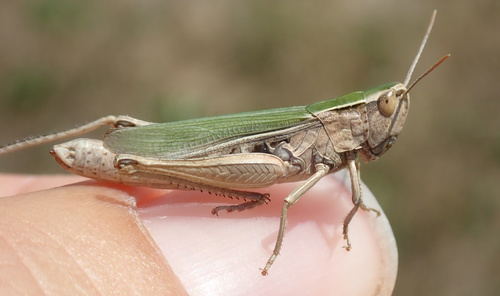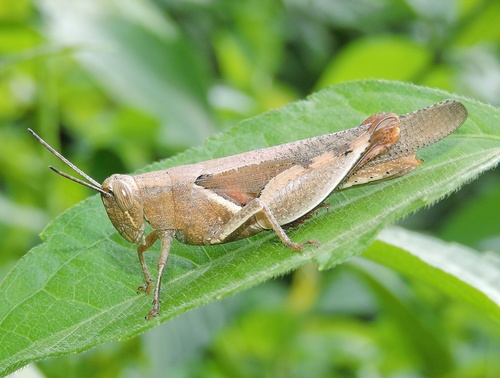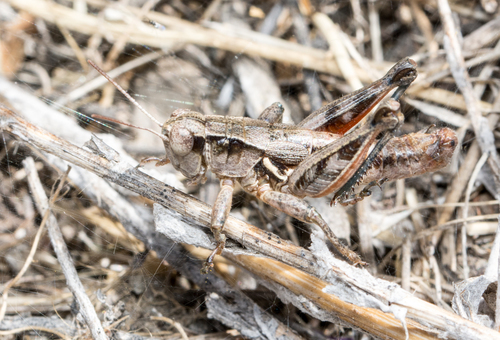
About Cornops aquaticum (Bruner, 1906)
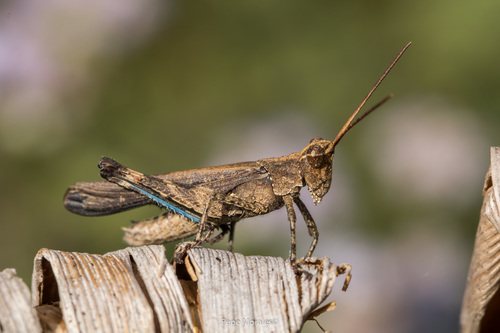
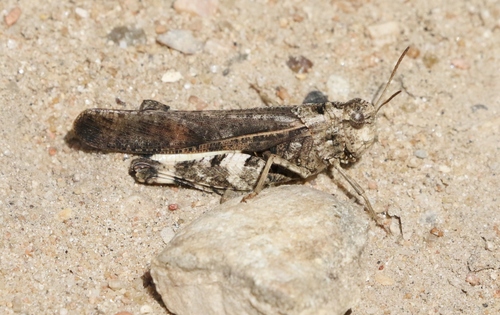
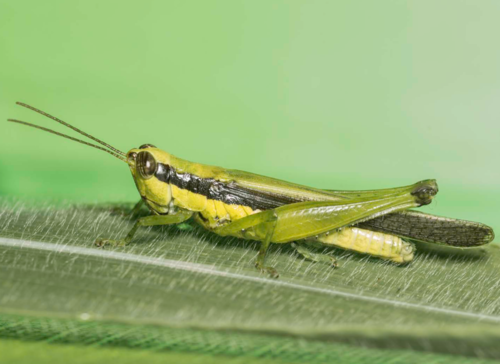
Cornops aquaticum (Bruner, 1906) is a semiaquatic grasshopper species native to the Neotropics, ranging from southern Mexico south to central Argentina and Uruguay. This species feeds and breeds exclusively on aquatic plants in the family Pontederiaceae, with a particular preference for water hyacinth (Eichhornia crassipes). It is currently being studied as a potential biological pest control agent for invasive water hyacinth. While its semiaquatic behavior is unusual, it is not unique: in South America alone, over 50 species of orthopterans are associated with water, including the well-documented Paulinia acuminata, which is used to control the invasive plant Salvinia molesta.
As a semiaquatic species that lives on floating plants, both adult and nymph Cornops aquaticum are strong swimmers that readily enter the water. They have been observed moving between aquatic plants up to 1 meter (3 feet 3 inches) below the water surface. If on land and alerted to a predator such as a bird, the grasshopper may attempt to crawl out of sight, jump or fly away, or dive into water where it can remain submerged for a long time. Adults are strong fliers capable of traveling relatively long distances to reach new areas with their preferred food plants.
Adults live between 55 and 110 days. After an initial four-week feeding period, females lay up to seven egg packets at intervals. Each packet holds 30 to 70 eggs. The female inserts her ovipositor into the leaf stalk of her host plant to deposit the egg packet; the egg cases are large, averaging 27 by 3 millimeters (1.1 by 0.1 inches) in size. Eggs hatch after 25 to 30 days. Nymphs feed on host plant leaves for approximately seven weeks, passing through six or seven instars, and cause significant damage to host plants during this stage.
Feeding trials have confirmed that besides water hyacinth (Eichhornia crassipes), nymphs can complete their full development on Eichhornia azurea, Pontederia cordata (pickerel weed, also in the Pontederiaceae family), and Canna indica. In laboratory starvation trials, nymphs will feed on some other plant species, but females do not lay eggs on these non-preferred plants, and nymphs never develop past the third instar when feeding only on these plants. Adult Cornops aquaticum also consume large volumes of their host plant's foliage. While the damage this grasshopper causes to host plants is greater than damage inflicted by other grasshopper species, it can only reduce water hyacinth populations, as the plant's growth outpaces the amount of foliage the insects consume.