About Cordulia aenea (Linnaeus, 1758)
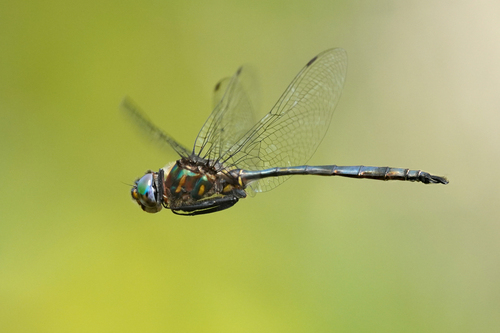
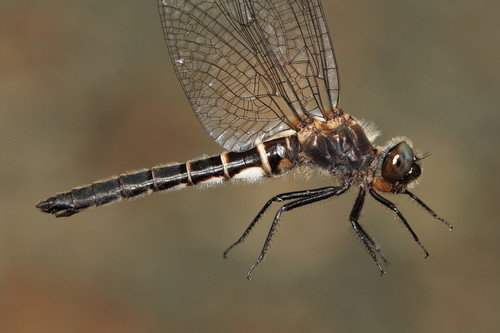
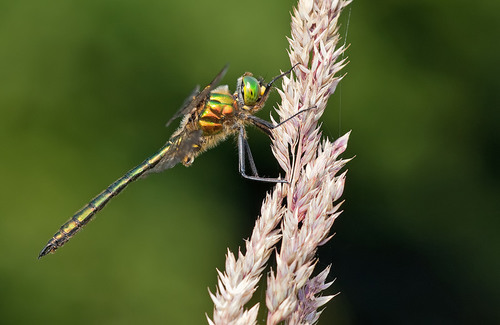
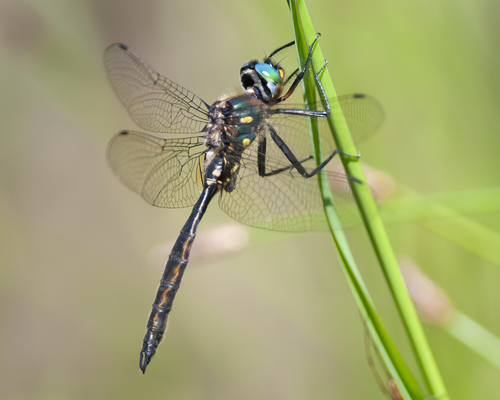
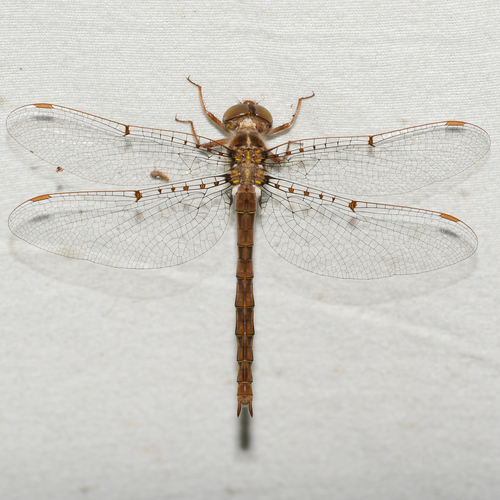
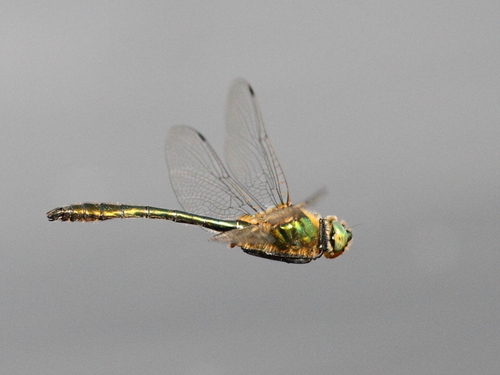
The downy emerald, scientifically named Cordulia aenea, is a species of dragonfly. Its body has a metallic green and bronze coloration, and its thorax is covered in fine hairs, which gives the species its common name. As with most other emerald dragonflies, the downy emerald has bright, shiny green eyes. Adult downy emeralds reach around 5 cm (2.0 inches) in length, and are active in flight from May through July each year. This species inhabits woodlands located near lakes and ponds. Like other dragonflies, it lays eggs in water, and its larvae have an aquatic lifestyle. It is distributed across most of Europe. While habitat loss has caused the species to disappear from parts of its historic native range in Great Britain, dense downy emerald populations can still be found in locations that retain its ideal habitat. After hatching from their eggs, young downy emeralds spend three years progressing through various larval and nymphal stages. They only live as fully grown adults for two months, during which they mate, and females deposit their eggs back into the water. Female Cordulia aenea have panoistic ovaries that produce female sex cells called oocytes. The nucleus of this panoistic oocyte is thought to contain all the genetic material required to develop the oocyte independently, form the egg yolk of C. aenea, and support the development of the C. aenea embryo.