About Cordia parvifolia A.DC.
Cordia parvifolia, commonly known as the little-leaf cordia, is a small to medium-sized tree in the borage family. It is native to Mexico and Central America, where it thrives in dry forests, savannas, and disturbed areas. This tree can reach up to 10 meters in height, with a trunk diameter of up to 30 cm.
The leaves of Cordia parvifolia are small, measuring 1-3 cm in length, and are oval-shaped with pointed tips. They are alternately arranged on the branches. The tree's bark is grayish-brown, featuring shallow fissures.
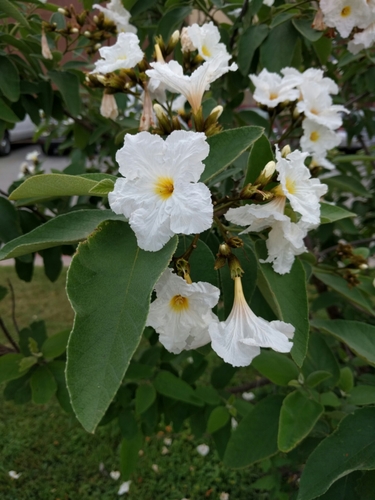
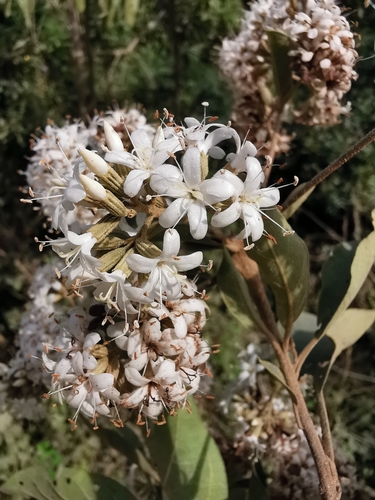
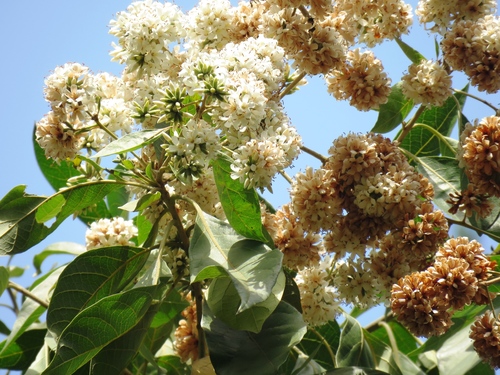
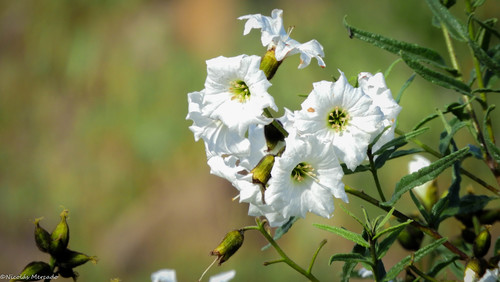
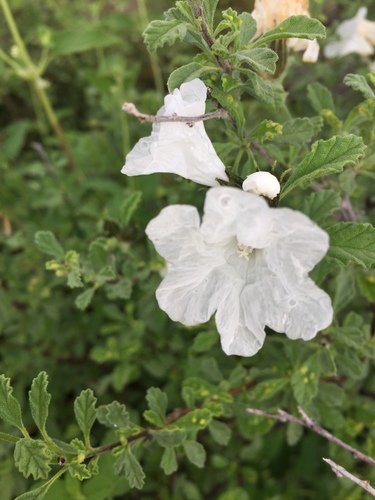
The flowers of Cordia parvifolia, which are white or pale yellow, bloom from May through September. These blossoms grow in clusters at the ends of branches or from leaf axils.
The tree produces small, round berries that measure 1-2 cm in length. These berries transition from green to yellow as they ripen and contain one or two seeds dispersed by birds.
Cordia parvifolia is known for its various medicinal properties. It is used to treat respiratory ailments such as coughs, asthma, and bronchitis; digestive issues such as diarrhea; skin problems such as wounds; and for reducing fever and relieving headache pain.
Overall, Cordia parvifolia is a plant of significant ecological importance due to its medicinal properties. This makes it a vital species for conservation efforts, as well as for its potential use in traditional medicine practices throughout the Central American region.