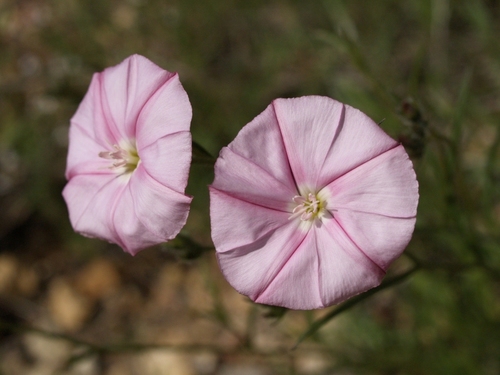
Convolvulus cantabrica L. is a plant in the Convolvulaceae family, order Solanales, kingdom Plantae. Not known to be toxic.

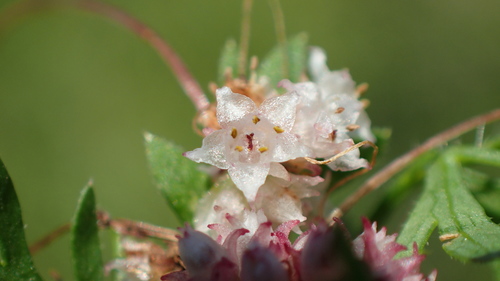
Photo of Convolvulus cantabrica L. (Convolvulus cantabrica L.)
🌿 Plantae

Convolvulus cantabrica L.

Convolvulus cantabrica L.

Convolvulus cantabrica L. is a flowering bindweed native to southern Europe and Mediterranean coastal regions.

Genus
Convolvulus
Order
Solanales
Class
Magnoliopsida
⚠️ Toxicity Note

Insufficient toxicity evidence; avoid direct contact and ingestion.

About Convolvulus cantabrica L.

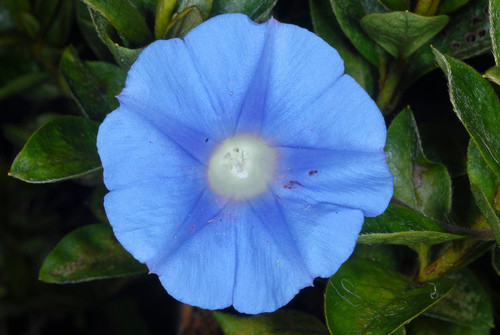
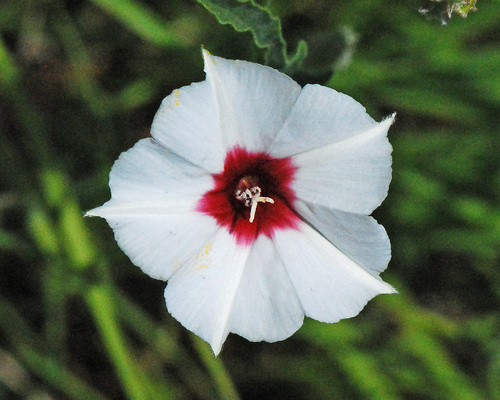
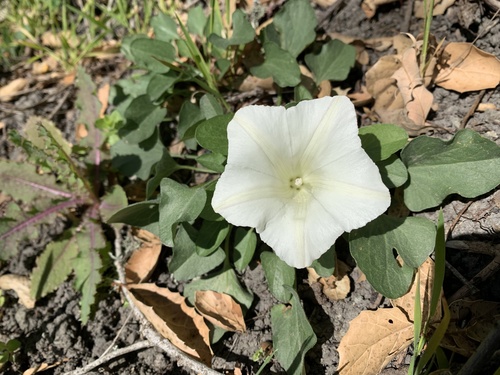
This bindweed, Convolvulus cantabrica L., is a scapose hemicryptophyte that averages 20 to 50 centimeters (7.9 to 19.7 inches) in height. It produces simple, alternate lanceolate leaves that are coarsely hairy on both surfaces. Its wide funnel-shaped flowers are actinomorphic (radially symmetrical), arranged on long petioles at leaf axils. The corolla measures 15 to 25 millimeters long and is usually pale pink, though it may be fully white. The flowers are hermaphroditic and are pollinated by insects via entomogamy. Flowering occurs from May through October. Fruits are globose, hairy capsules holding 2 to 4 brownish seeds. This species is native to southern Europe and widespread across Mediterranean coasts. Convolvulus cantabrica grows in rocky areas, sunny slopes, xerophilous prairies, dry grassland, and scrublands on calcareous soil, at altitudes between 0 and 1,300 meters (0 to 4,265 feet) above sea level.
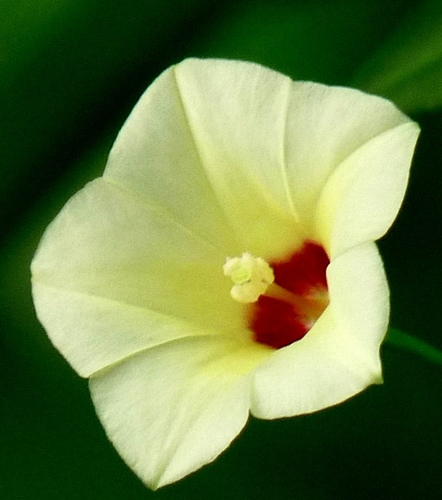
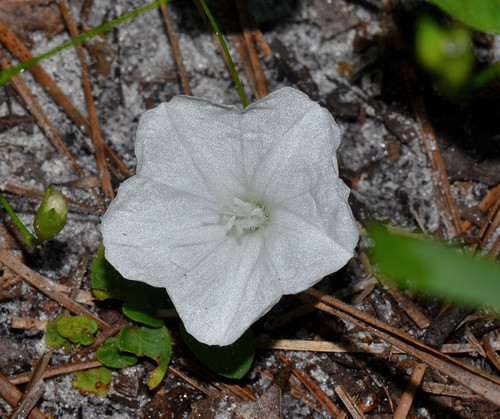
Photo: (c) Ferran Turmo Gort, some rights reserved (CC BY-NC-SA) · cc-by-nc-sa

Taxonomy

Plantae Tracheophyta Magnoliopsida Solanales Convolvulaceae Convolvulus

More from Convolvulaceae

Sources: GBIF, iNaturalist, Wikipedia, NCBI Taxonomy · Disclaimer

Identify Convolvulus cantabrica L. instantly — even offline

iNature uses on-device AI to identify plants, animals, fungi and more. No internet needed.

Download iNature — Free

Start Exploring Nature Today

Download iNature for free. 10 identifications on us. No account needed. No credit card required.

Download Free on App Store