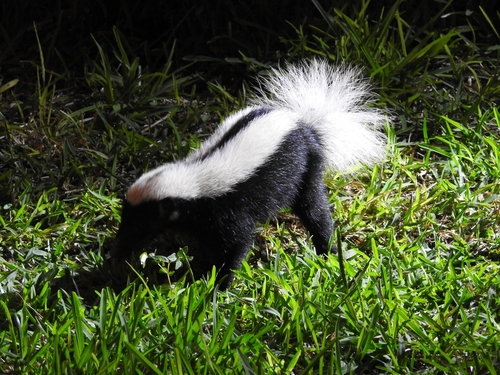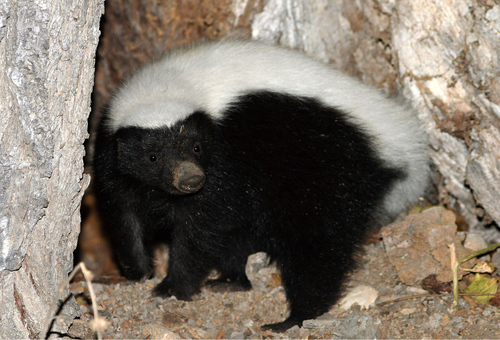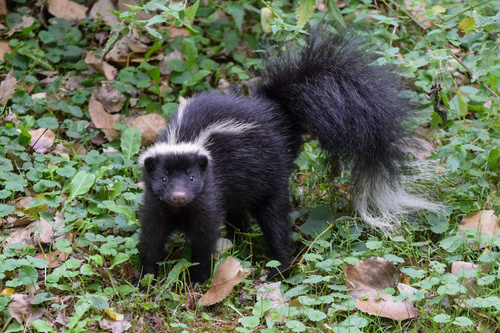
About Conepatus chinga (Molina, 1782)
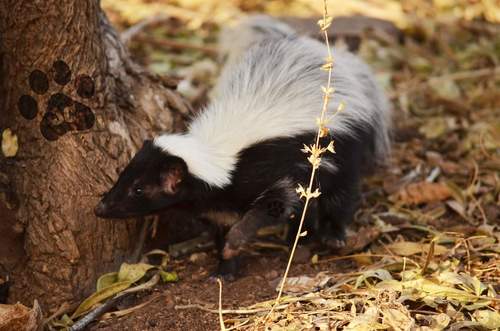
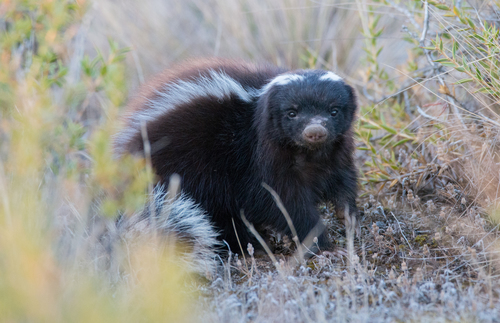
Molina's hog-nosed skunk, also known as the Andes skunk (Conepatus chinga, first described by Molina in 1782), is a species of skunk native to South America. It occurs in Argentina, Bolivia, Brazil, Chile, Peru, Paraguay, and Uruguay, and can be found at elevations as high as 5000 m. Its native range covers mid to southern South America, including Chile, Peru, northern Argentina, Bolivia, Paraguay, Uruguay, and southern Brazil. This mammal is associated with temperate regions and open areas, primarily occurring in the Pampas biome. It prefers habitats with open vegetation, shrub forest, and rocky sloped areas. Most Molina's hog-nosed skunks live solitary lives, with an average population density of around 1.66 individuals per square kilometer, and some home ranges overlap. Population density can also reach approximately six skunks per 3.5 square kilometers. While they generally live alone, these skunks do gather temporarily to mate.