Combretum indicum (L.) De Filipps is a plant in the Combretaceae family, order Myrtales, kingdom Plantae. Toxic/Poisonous.

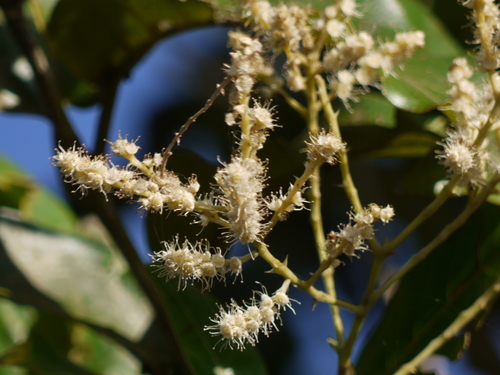
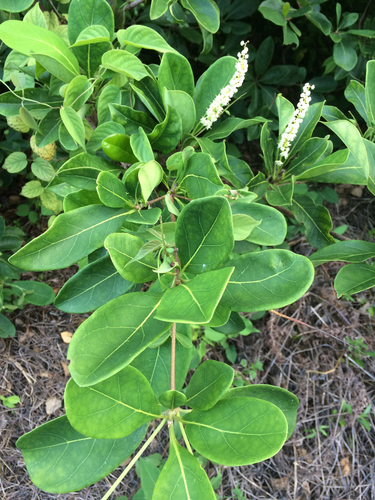
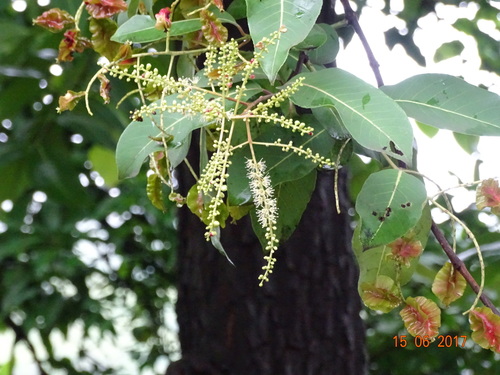
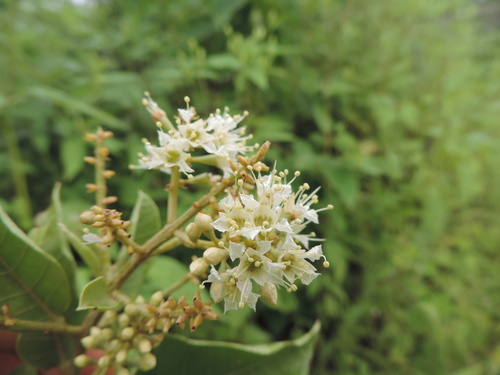
Photo of Combretum indicum (L.) De Filipps (Combretum indicum (L.) De Filipps)
🌿 Plantae ⚠️ Poisonous

Combretum indicum (L.) De Filipps

Combretum indicum (L.) De Filipps

Combretum indicum, or Rangoon creeper, is a climbing woody vine with toxic seeds that have been used to treat worm infections.

Family
Genus
Combretum
Order
Myrtales
Class
Magnoliopsida

⚠️ Is Combretum indicum (L.) De Filipps Poisonous?

Yes, Combretum indicum (L.) De Filipps (Combretum indicum (L.) De Filipps) is classified as poisonous or toxic. Toxicity risk detected (mainly via ingestion); avoid direct contact and ingestion. Never consume or handle this species without proper identification by an expert.

About Combretum indicum (L.) De Filipps

Rangoon creeper, scientifically named Combretum indicum (L.) De Filipps, is a vigorously growing climbing woody vine. It can reach a length between 2.5 meters and 8 meters. Its leaves are simple, elliptical in shape, with an acuminate tip and a rounded base. The leaves are between 7 and 15 centimeters long, and they grow in an opposite arrangement. The seeds of Combretum indicum, along with the related species Quisqualis fructus and Q. chinensis, contain the chemical quisqualic acid. This chemical acts as an agonist for the AMPA receptor, a type of glutamate receptor found in the brain. Quisqualic acid is associated with excitotoxicity, which leads to cell death. The seeds of this plant have been used to treat roundworm and pinworm infections; the compound is toxic to these parasites, killing them within the digestive tract.
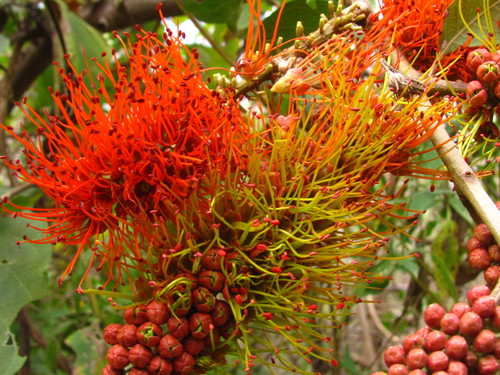
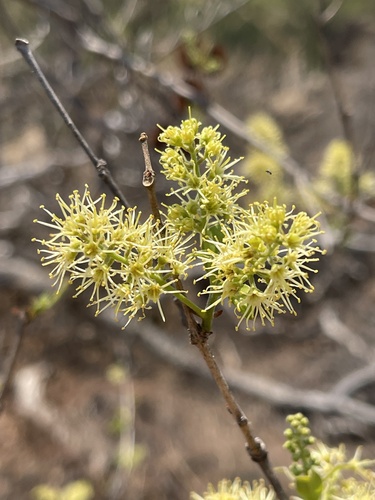
Photo: (c) Sunnetchan, some rights reserved (CC BY-NC-ND), uploaded by Sunnetchan · cc-by-nc-nd

Taxonomy

Plantae Tracheophyta Magnoliopsida Myrtales Combretaceae Combretum
⚠️ View all poisonous species →

More from Combretaceae

Sources: GBIF, iNaturalist, Wikipedia, NCBI Taxonomy · Disclaimer

Identify Combretum indicum (L.) De Filipps instantly — even offline

iNature uses on-device AI to identify plants, animals, fungi and more. No internet needed.

Download iNature — Free

Start Exploring Nature Today

Download iNature for free. 10 identifications on us. No account needed. No credit card required.

Download Free on App Store