About Combretum glutinosum Perr. ex DC.
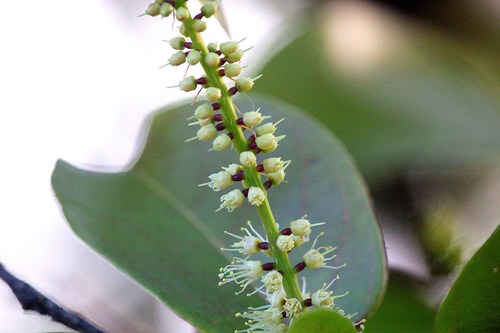
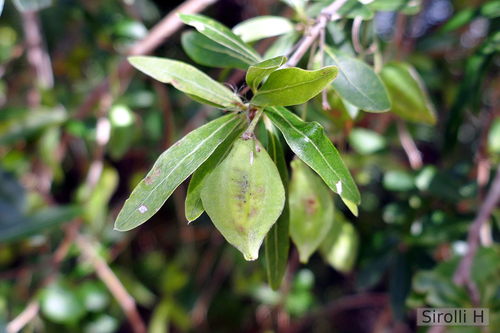
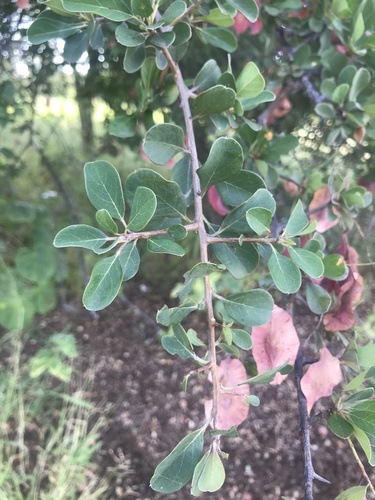
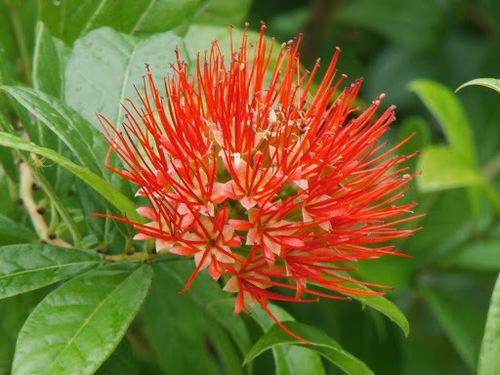
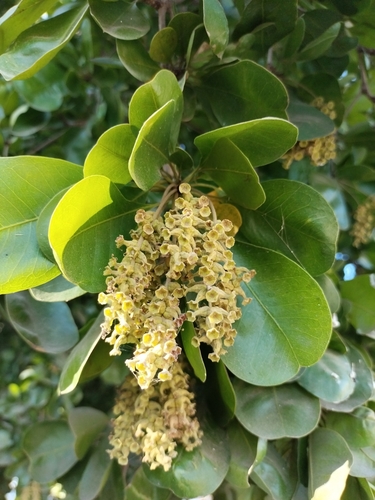
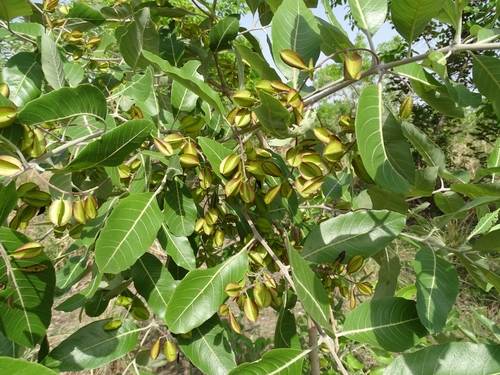
Combretum glutinosum Perr. ex DC. is a shrub species belonging to the genus Combretum. It grows across the Sahel belt, occurring in parts of Senegal, Burkina Faso, Ghana, Mali, the Gambia, Niger, Nigeria, Cameroon, and extending into parts of Sudan. This species has local common names across regional languages: it is called dooki in Pulaar, Kantakara in Hausa, rat in Wolof, and jambakatan kè in Maninka. Its accepted synonyms are Combretum cordofanum Engl. & Diels, C. passargei Engl. & Diels, and C. leonense Engl. & Diels.
Combretum glutinosum most commonly grows in savanna-type forests. It can grow in a variety of soil types, but grows best in well-drained sandy soils. It is drought resistant, thriving in areas that receive 200–700 millimetres (7.9–27.6 in) of annual rainfall, and it grows quickly and profusely.
People across the Sahel region of Africa use this plant’s bark, leaves, and roots to produce yellow dye. Its yellowish wood is described as hard and extremely durable, and is used for construction frames, tool making, and as fuel. Brownish to brownish yellow dyes from the plant are used in textile production, leather tanning, and dyeing mats. Cattle, giraffes, and other animals forage on this plant, and humans sometimes eat its young leaves as a vegetable, often served with taro. Demand for the plant is growing for use in manufacturing bogolan textiles for both local and international fashion markets.
A local specialty textile called "mud cloth", also known as bògòlanfini or bogolan, is made using this plant. The textile is produced by mixing tannins from the plant with iron salts found in fermented mud. Bogolan is a specialized art form developed by Mande women, particularly from the Bamanan, Bobo, Dogon, Malinke, Minianka, and Senoufo groups.
The bark, leaves, and roots of Combretum glutinosum are harvested for traditional medicinal use to treat a range of ailments, including influenza, rheumatism, and sexual health conditions such as impotence and syphilis. It is commonly brewed as a tea in tropical West Africa to relieve stomach problems, and it is combined with other wild-collected leaves into a decoction to treat malaria. In the Senegambia region, this plant is one of several species whose twigs are used as chewing sticks. Chewing sticks are used instead of toothbrushes to clean teeth, remove food particles after meals, and are chewed for pleasure. The plant is also used to fill cavities in decayed teeth, dress wounds, for fumigation, and as incense. A decoction made from its leaves is added to bath water to relieve fatigue.