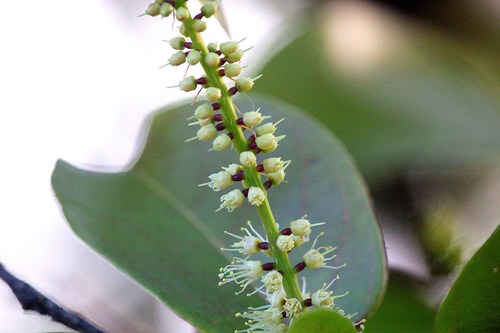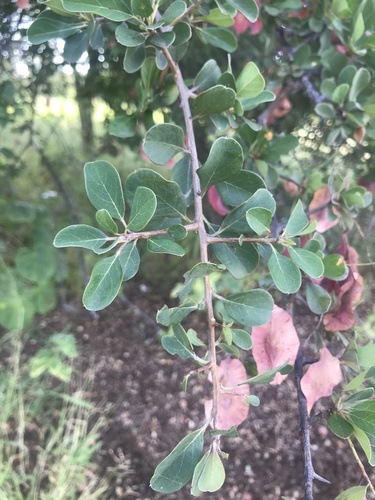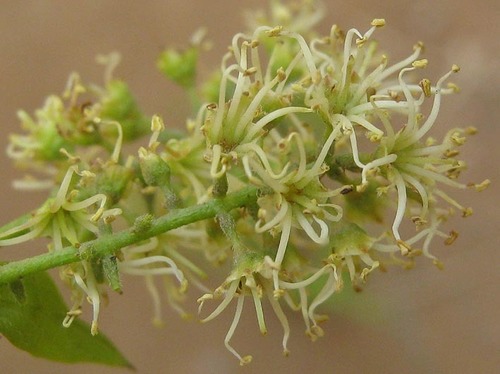
About Combretum erythrophyllum (Burch.) Sond.
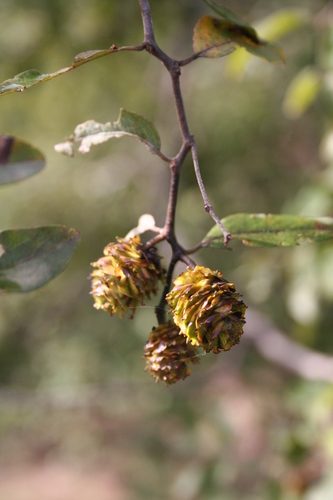
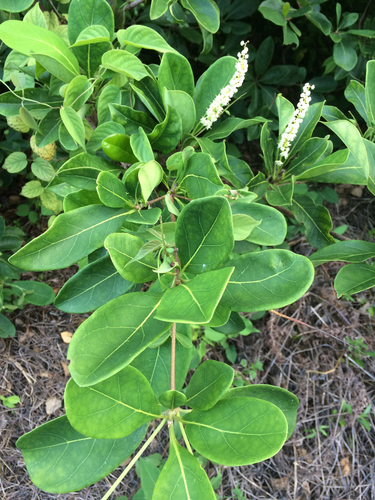
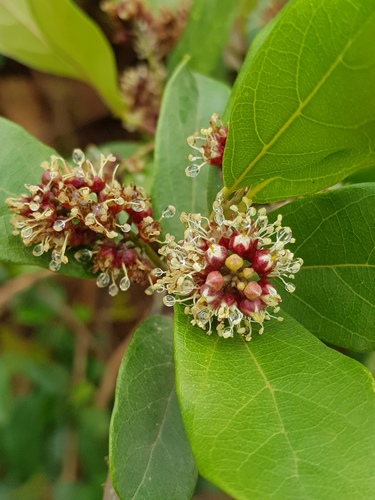
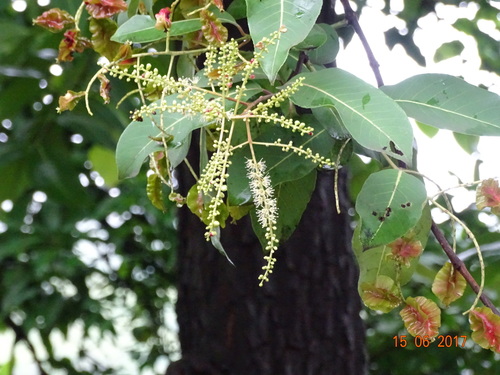
Combretum erythrophyllum (Burch.) Sond. is a small to medium-sized tree, growing 7 to 12 m tall. It has a straight or multi-stemmed bole and a dense spreading crown, and it is hardy to both frost and drought. This species grows in riverine bush or areas with sufficient groundwater in Botswana, Eswatini, Mozambique, South Africa, Zambia and Zimbabwe. Ecologically, wasps lay their eggs in the walls of its fruit, and the larvae feed on the seeds inside the fruit. The southern black tit taps the fruit to check for larvae inside; when larvae are discovered, the bird opens the fruit and eats the larvae. Leaves of Combretum erythrophyllum are browsed by giraffe, elephant, bushbuck and nyala. For medicinal uses, the roots, which are regarded as poisonous, are used as a purgative and to treat venereal diseases. Bark is mixed with other herbs to make a decoction, which is drunk as a quarter cup in the morning and evening for sores. The fruit are regarded as poisonous and reputedly cause hiccups.