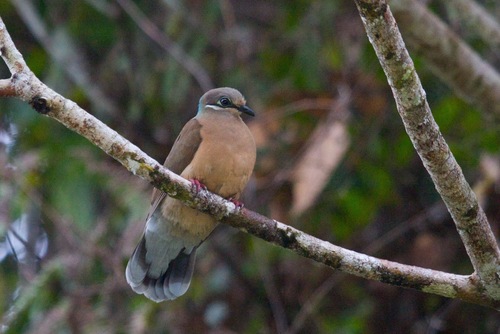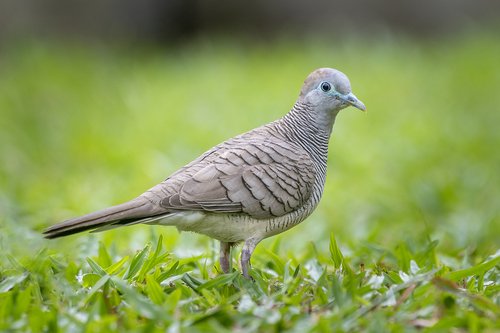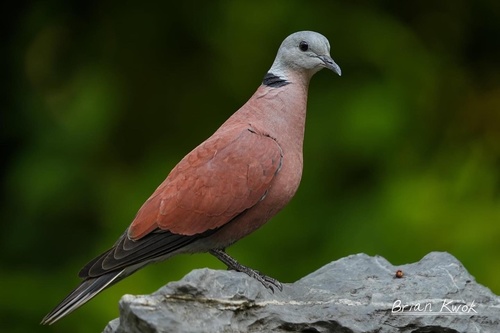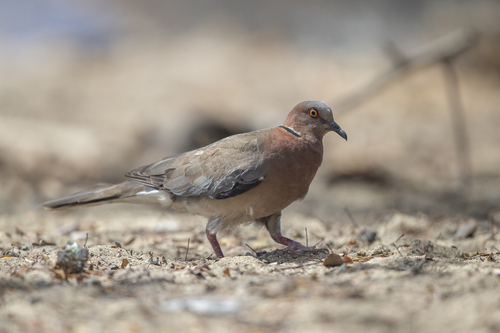
About Columbina inca (R.Lesson, 1847)
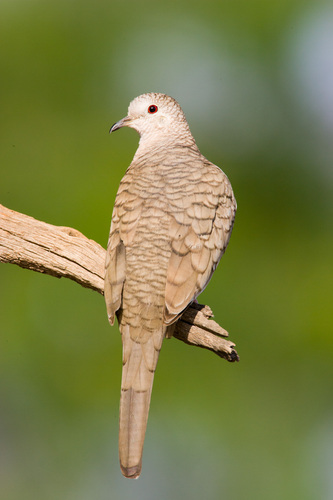
The Inca dove, also called the Mexican dove, has the scientific name Columbina inca. It is a small New World dove species that was first described in 1847 by French surgeon and naturalist René Lesson. This species measures 16.5 to 23 centimeters (6.5 to 9.1 inches) in length, and weighs between 30 and 58 grams (1.1 to 2.0 ounces). It has an average wingspan of 28.5 centimeters, with a maximum recorded wingspan of 32 centimeters. It is a slender dove, with a gray-brown body covered in feathers that form a distinct scaled pattern. Its tail is long and square-shaped, edged with white feathers that may flare out when the bird is in flight. Like other ground doves, its underwings are reddish. When it takes off, its wings create a distinctive, quiet rattling noise. The Inca dove’s distribution range extends from Costa Rica in the south to the southwestern United States in the north. It is often common to abundant within areas that fit its suitable habitat, and its range has been expanding both northward and southward over the past few decades. Despite its common name reference to the Inca Empire, the species does not live in any of the lands that once made up the Inca Empire. This is a terrestrial species that forms flocks in deserts, scrublands, and cultivated areas. It may also be found in urban settings, where it feeds on grass seeds and utilizes readily available water from agricultural and suburban irrigation. In the past, Inca doves have escaped from captivity or been deliberately released in the US state of Florida, but there is no evidence that a wild breeding population has become established there; any individuals present in the state likely persist only because of ongoing releases or new escapes.