About Coccoloba diversifolia Jacq.
Scientific Name and Size
Pigeonplum, scientifically Coccoloba diversifolia Jacq., is a small to medium-sized tree that typically reaches 10 meters in height, and rarely grows as tall as 18 meters.
Bark Characteristics
Its bark is light gray, smooth, and thin, though the bark of the largest trees can develop a scaly texture.
Leaf Dimensions
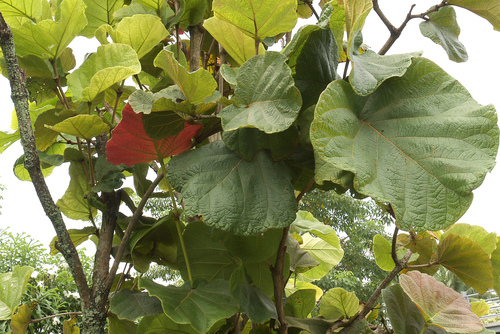
The leaves measure 3–13 cm long and 1–7 cm broad.
Leaf Shape and Edges
They have smooth, wavy edges, an oval to oblong shape, and rounded or pointed tips.
Leaf Texture and Color
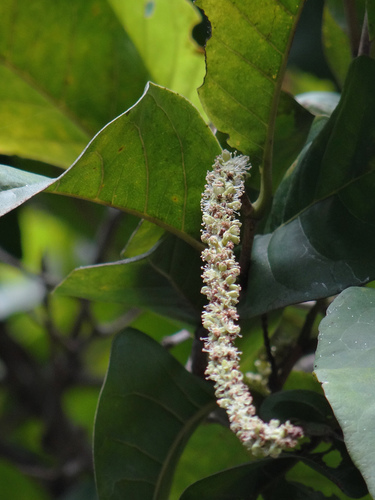
The leaves are leathery, with a brighter green color on the upper surface and a paler green on the lower surface.
Leaf Size Variation
Leaves growing on young plants and root sprouts are larger than leaves found on mature plants.
Flower Inflorescence
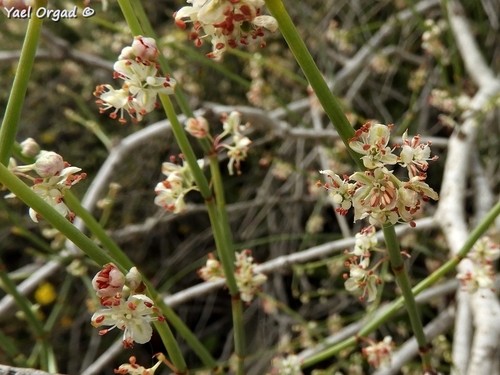
Numerous, inconspicuous flowers grow on spikes that are 1.5–18 cm long.
Flower Bloom Period
The flowers first appear in spring, and can bloom throughout the entire year.
Fruit Structure
The fruit is a 6–10 mm long achene, surrounded by a dark purple, edible fleshy perianth.
Fruit Ripening Time
The fruit ripens in the fall.
Tolerance and Hardiness
This tree cannot survive hard frosts, but it is resistant to high winds, salt, and drought.