About Clytus rhamni Germar, 1817
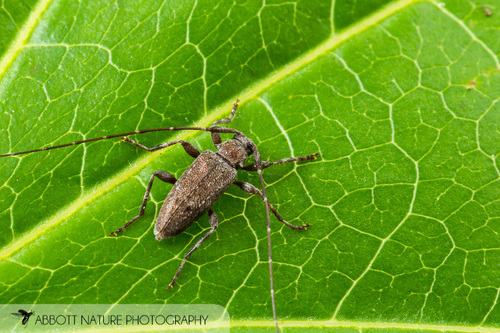
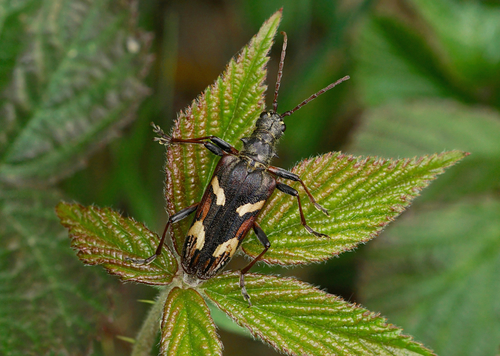
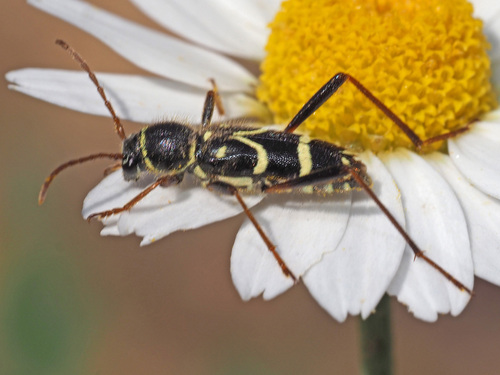
Clytus rhamni Germar, 1817 individuals reach a body length of approximately 6–12 mm (0.24–0.47 in). The head, pronotum, and elytra are brownish or black. Males have a pronotum with relatively fine, simple punctation, while females have coarser punctation. Elytra have only thin punctation and are more or less glossy. Antennae and legs are red-yellow, though the hind legs are darker. The elytra are crossed by light yellow stripes. Like other species in the genus Clytus, this beetle mimics the coloration of wasps for defensive purposes. The subspecies Clytus rhamni bellieri is distinguished by bicolor tibiae. This species is very similar to Clytus arietis. This common beetle is distributed across most of Europe, including Albania, Austria, Belarus, Bosnia and Herzegovina, Bulgaria, Croatia, Czech Republic, France, Germany, Greece, Hungary, Italy, Republic of North Macedonia, Moldova, Montenegro, Portugal, Romania, Russia, Serbia, Slovakia, Spain, Switzerland, and Ukraine. It is also found in the eastern Palearctic realm, the Caucasus, North Kazakhstan, Transcaucasia, Turkey, Armenia, Israel, Syria, Iran, and the Near East. This species occurs nearly everywhere, but is especially found in meadows, shrubs, forest glades, orchards, and along paths.