About Clinopodium alpinum (L.) Kuntze
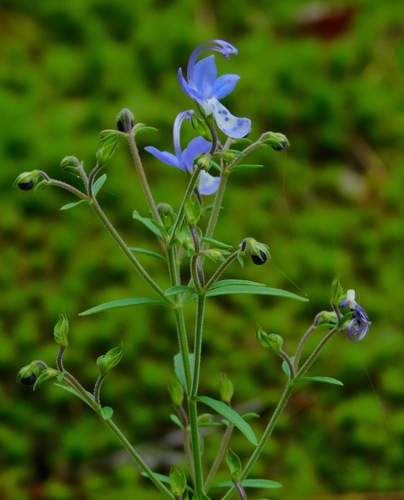
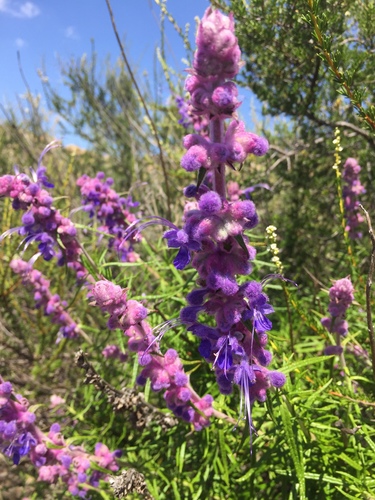
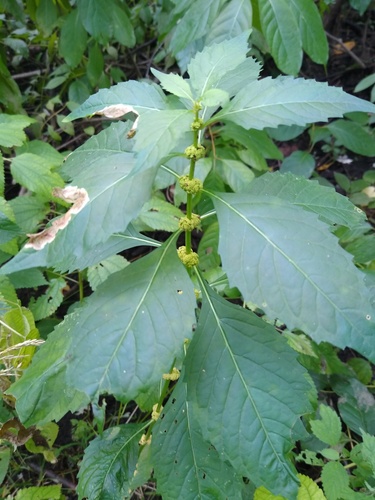
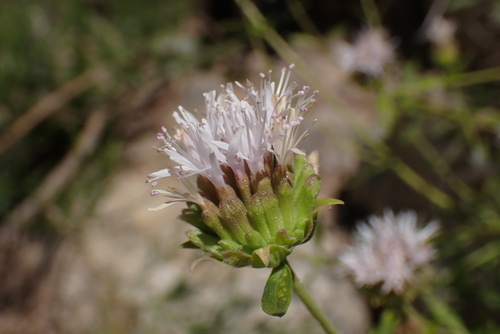
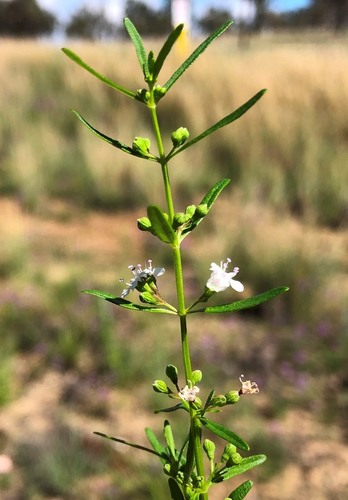
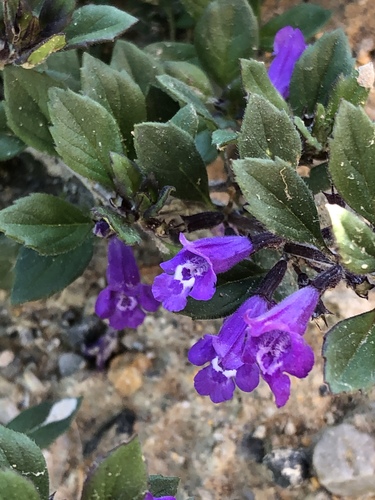
Rock thyme, scientifically named Clinopodium alpinum (L.) Kuntze, is an herbaceous plant that grows an average of 40 to 50 centimeters tall. Its flowers are hermaphroditic, meaning each flower has both male and female reproductive organs. Under the Raunkiær life form categorization system, rock thyme is classified as a chamaephyte, specifically a suffruticose chamaephyte. This plant has a woody stem covered in fuzz. Its leaves grow in symmetrical pairs and attach to the stem via a thin petiole. Leaf shapes range from ovoid to lanceolate, measuring 5 to 15 millimeters in length. The flowers are arranged in whorled inflorescences, with clusters holding 3 to 8 individual flowers. Individual flowers are 15 to 20 millimeters long and are typically violet in color. Rock thyme flowers between May and August, with the flowering timing varying based on altitude. Its mature fruit is a schizocarp that splits into four equal portions when fully mature. The plant is anchored to the ground by a taproot, along with a network of smaller secondary roots. Rock thyme is native to the mountain regions of Southern Europe. In Italy, it occurs across most areas at altitudes between 900 and 2600 meters above sea level. It grows in open fields, rock fissures, and locations with very little fertile soil.