About Clausena lansium (Lour.) Skeels
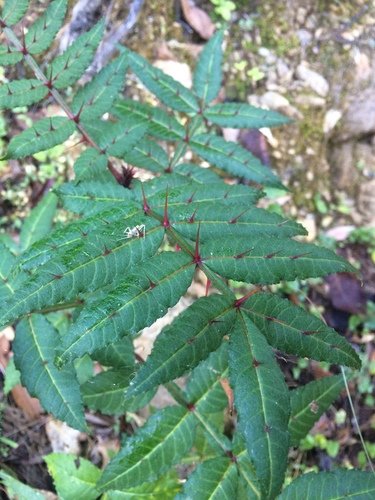
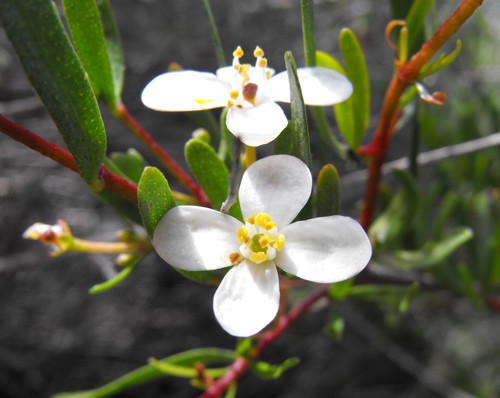
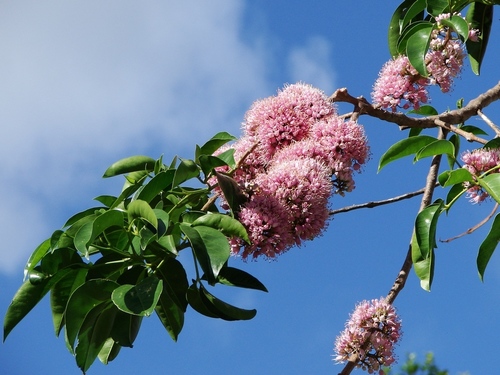
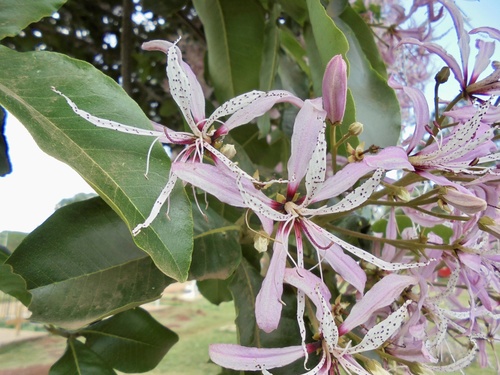
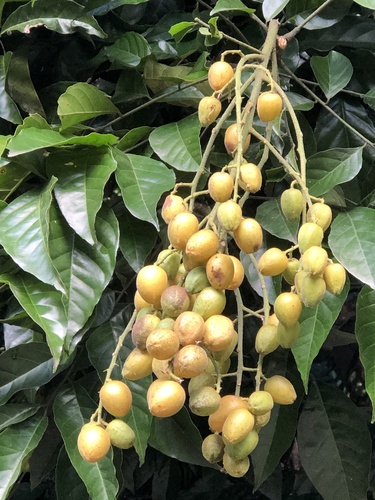
This plant, scientifically named Clausena lansium (Lour.) Skeels, commonly called wampee, has smooth, dark green leaves. In late March, it produces white flowers with four or five petals, each measuring around 3–4 mm in diameter. The fruit is oval, approximately 3 cm long and 2 cm in diameter, and holds two to five seeds that make up 40 to 50 percent of the fruit’s total volume. Mature trees can reach a maximum height of 20 meters. It is native to South-Central China, Southeast China, Hainan, Laos, and Vietnam, and is an introduced species on Christmas Island. It grows best in tropical or subtropical conditions and is susceptible to cold damage. Wampee trees can grow well across a wide range of soil types, but thrive most strongly in rich loam. Wampee is cultivated for its grape-sized, fragrant edible fruit. Like the kumquat, the skin and seeds are often eaten together with the fruit pulp. It is widely cultivated and popular as a fruit tree in China, Vietnam, the Philippines, Malaysia, and Indonesia. It is grown less frequently in India, Sri Lanka, and Queensland, Australia; occasionally it is even cultivated in Florida and Hawaii in the United States. It is grown extensively in the New Territories of Hong Kong, and is a popular fruit among the area’s indigenous Hakka villagers.