About Cladanthus mixtus (L.) Chevall.
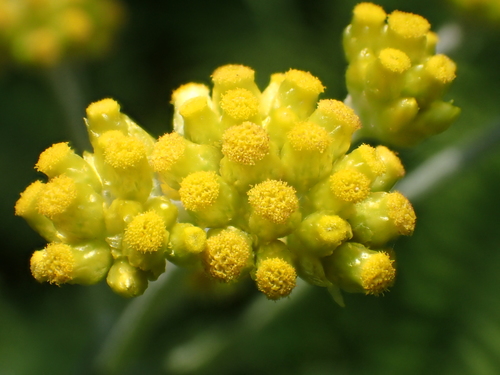
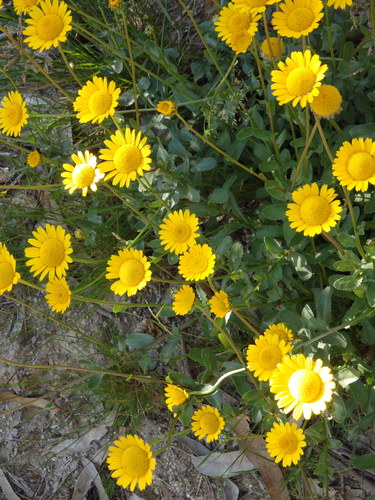
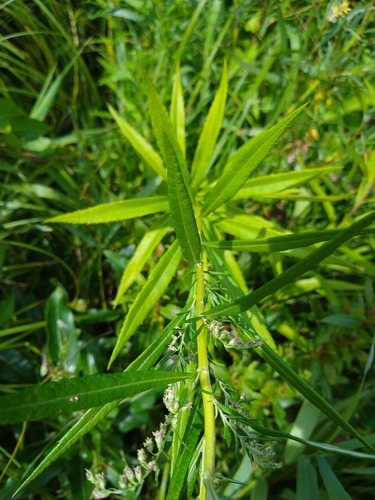
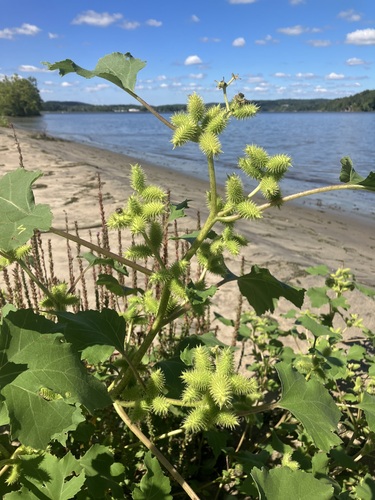
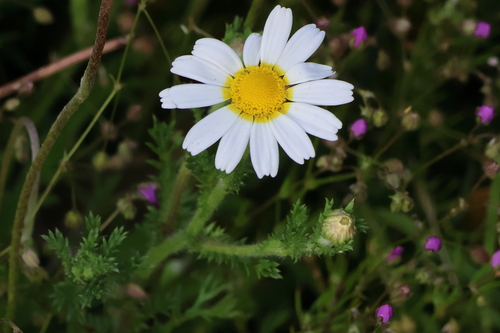
Cladanthus mixtus (L.) Chevall., also known as Moroccan chamomile, is an annual plant with distinct morphological features. Individuals of this species have a yellowish to orange base, with white flower petals that are tightly packed together surrounding the flower. Stems grow to roughly 4–10 cm in length. The leaves are simple in basic structure, but take on a branched form. This species is native across the Mediterranean Basin and Western Europe, ranging from the Eastern Mediterranean west to the Canary Islands, and north to the British Isles, and is especially common in western Iberia. It has been introduced to Madeira, the Azores, and Uruguay, and is sparingly naturalized in a small number of widely scattered locations in North America. Moroccan chamomile grows best in moist, rich soil, but can also grow in more saline soils around the Mediterranean Sea. It does not require large amounts of water, as its thicker cuticle allows it to retain water for longer periods. It can tolerate warm, cool, and hot environments, and does not interact much with other vegetation. Cladanthus mixtus is used to extract oils for perfumes and skin products that calm and soothe skin; the entire flower is crushed to obtain these oils. Research has confirmed that the oil composition of Cladanthus mixtus varies depending on the region where the plant is grown. Oil concentrations are higher in plants from some regions than in conspecific plants from other regions. In some cases, oils produced by plants from certain areas are not suitable for use in skin ointments and similar products.